With more than 10‑year industry experience, Shandong Headpowder delivers full‑service pneumatic‑conveying systems and blowers, undertaking nationwide turn‑key powder‑handling projects.
Plunger-type pneumatic conveying equipment is a specialized system designed for the efficient and reliable transport of bulk materials through a pipeline using compressed air. This technology is widely used in various industries, including chemical, food, and pharmaceutical sectors, where the safe and hygienic handling of powders and granules is critical. The operation of such equipment involves a series of precise steps and mechanical actions that ensure material is moved from the source to the destination without degradation or contamination.
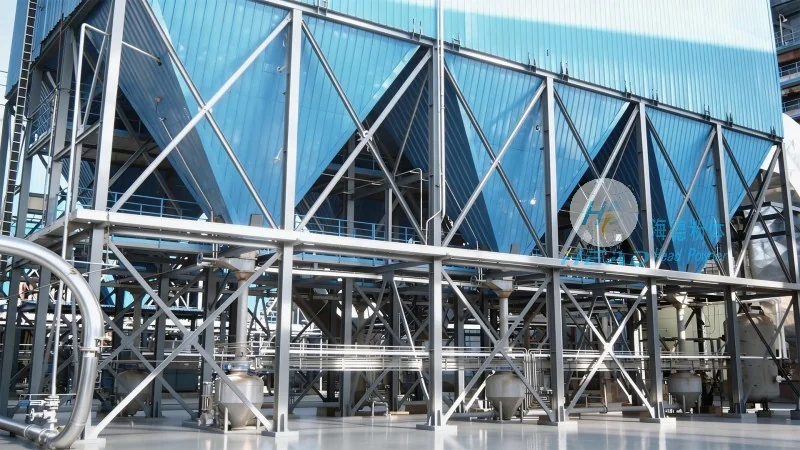
Headpowder, a leading manufacturer in the field of pneumatic conveying systems, is dedicated to providing high-quality solutions for material handling challenges. As a subsidiary of Shandong HeadPowder Engineering Co., Ltd., based in Shandong, China, the company leverages advanced engineering and manufacturing capabilities to develop innovative plunger-type pneumatic conveying equipment. With a strong commitment to customer satisfaction and product excellence, Headpowder offers tailored solutions that meet the specific requirements of industrial applications.
The operation process of plunger-type pneumatic conveying equipment begins with the loading of bulk material into the hopper or feed hopper. The material is then drawn into the conveying line by a plunger, which acts as a piston to create a vacuum or pressure differential. As the plunger moves back and forth, it alternately creates suction and pressure zones within the pipeline, facilitating the movement of material. The compressed air, supplied by a blower or compressor, is introduced at the discharge end to push the material forward. This cyclic motion of the plunger ensures continuous and controlled material flow, minimizing the risk of clogging and ensuring consistent performance.
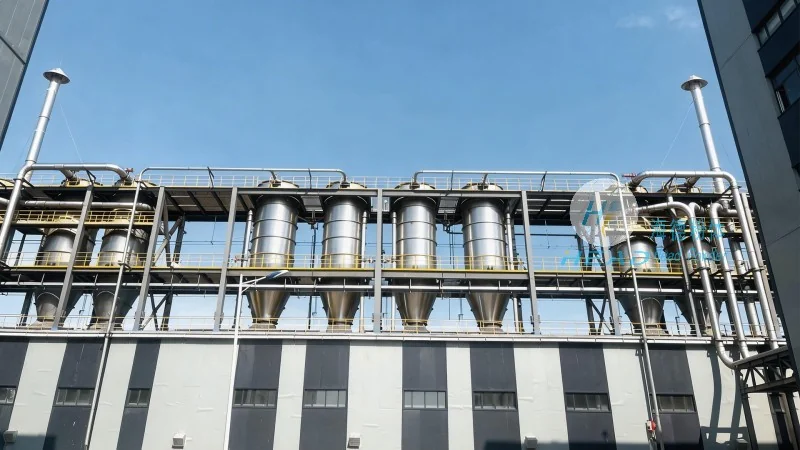
The working principle of plunger-type pneumatic conveying equipment is based on the fundamental principles of fluid dynamics and mechanical action. The system operates by using a reciprocating plunger to generate a pressure differential between the inlet and outlet of the conveying line. When the plunger is in the forward stroke, it creates a low-pressure zone at the inlet, drawing material into the pipeline. Simultaneously, the compressed air is introduced at the discharge end, creating a high-pressure zone that propels the material forward. The reverse stroke of the plunger then creates a high-pressure zone at the inlet, pushing the remaining material into the pipeline. This alternating pressure and suction cycle ensures that material is continuously transported through the system. The design of the plunger, including its stroke length and frequency, is optimized to match the material characteristics and conveying distance, ensuring efficient and reliable operation.
Several key components work in tandem to ensure the smooth operation of plunger-type pneumatic conveying equipment. The hopper or feed hopper is responsible for storing and feeding the bulk material into the system. The plunger, which is typically made of durable materials such as stainless steel or high-grade plastic, moves within a cylinder to create the pressure differential. The cylinder and plunger assembly is sealed to prevent air leakage and maintain the integrity of the conveying process. The control system, which includes sensors and valves, monitors the pressure and flow rates, adjusting the plunger stroke and air supply as needed to maintain optimal performance. The discharge valve or outlet is designed to release the material at the destination, ensuring a clean and efficient transfer.
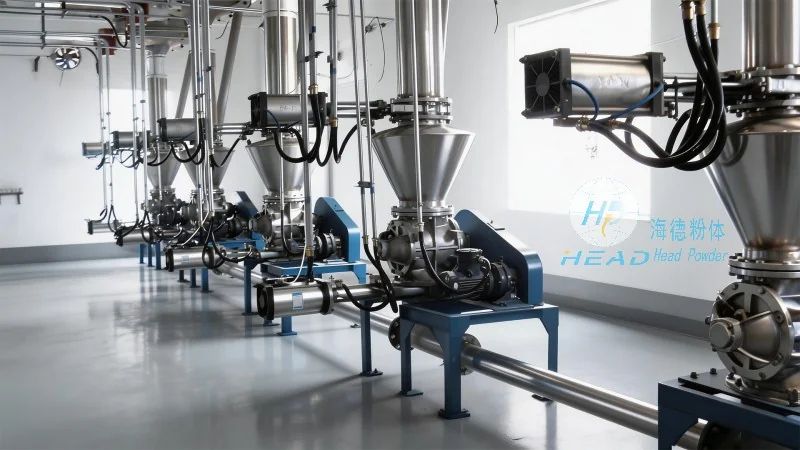
Plunger-type pneumatic conveying equipment offers several advantages over traditional conveying methods. One of the primary benefits is the ability to handle a wide range of materials, including abrasive, corrosive, and hygienic powders and granules. The system is also highly flexible, as it can be easily integrated into existing production lines and adapted to different conveying distances and material volumes. Additionally, the equipment is compact and requires minimal space, making it suitable for installations in confined areas. The plunger mechanism provides precise control over the material flow rate, reducing the risk of overloading or underloading the system. Furthermore, the system is energy-efficient, as the compressed air is used efficiently to move the material, minimizing energy consumption and operational costs.

Plunger-type pneumatic conveying equipment is widely used in various industries due to its versatility and reliability. In the chemical industry, it is used to transport powders such as chemicals, pigments, and catalysts. The food and pharmaceutical industries benefit from the hygienic design of the equipment, which ensures that materials are handled in a clean and safe manner. The equipment is also used in the agricultural sector to transport grain and other agricultural products. Additionally, it is applied in the mining industry to transport ore and other minerals. The adaptability of the system makes it suitable for a wide range of applications, from small-scale operations to large industrial plants.
Proper maintenance is essential to ensure the long-term performance and reliability of plunger-type pneumatic conveying equipment. Regular inspection of the plunger and cylinder assembly is necessary to check for wear and tear, which can affect the efficiency of the system. The seals and gaskets should be replaced periodically to prevent air leakage and maintain the pressure differential. The control system should be checked regularly to ensure that it is functioning correctly and that the sensors are providing accurate readings. The hopper and feed hopper should be cleaned regularly to prevent material buildup and clogging. Additionally, the compressed air system should be maintained to ensure that it is providing the correct pressure and flow rates. Proper training of operators is also important to ensure that the equipment is operated correctly and safely. By following these maintenance and operational considerations, the equipment can operate efficiently and reliably for many years.

 Shandong Headpowder Engineering Co., Ltd.
 156-6277-7102(Manager Zhang)
  0531-83386006
  Zhangqiu District, Jinan City, Shandong Province, China
telephone
WeChatconsult
top