With more than 10‑year industry experience, Shandong Headpowder delivers full‑service pneumatic‑conveying systems and blowers, undertaking nationwide turn‑key powder‑handling projects.
Negative pressure pneumatic conveying systems are advanced industrial equipment designed to transport bulk materials efficiently and safely. These systems operate by creating a low-pressure environment within the conveying line, which draws material from the source and transports it to the destination. The technology is widely used in various industries, including food processing, pharmaceuticals, and chemical manufacturing, due to its ability to handle sensitive materials without contamination or degradation.
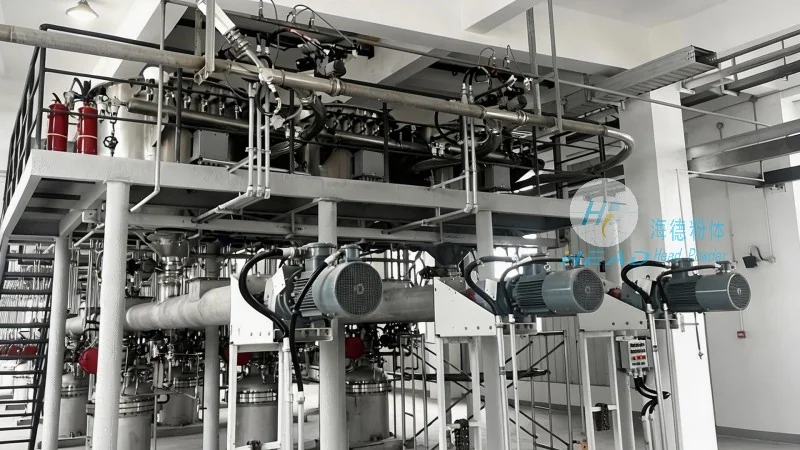
The core components of a negative pressure system include the material hopper, the conveying line, the vacuum pump, and the receiving hopper. The material hopper holds the bulk material to be transported, while the conveying line is a sealed pipe that connects the hopper to the receiving end. The vacuum pump is responsible for creating the negative pressure, which pulls the material through the line. The receiving hopper collects the material at the destination. Each component plays a crucial role in ensuring the smooth operation of the system.
The operation process of a negative pressure system begins with the material being loaded into the hopper. As the vacuum pump starts, it creates a low-pressure zone inside the conveying line. This pressure difference causes the material to be drawn from the hopper and into the line. The material is then transported through the pipe, often aided by the use of airlocks or rotary valves at the inlet and outlet to control the flow. The receiving hopper collects the material once it reaches the end of the line. The system maintains a consistent flow by adjusting the vacuum pressure as needed, ensuring that the material is transported without blockages or spills.
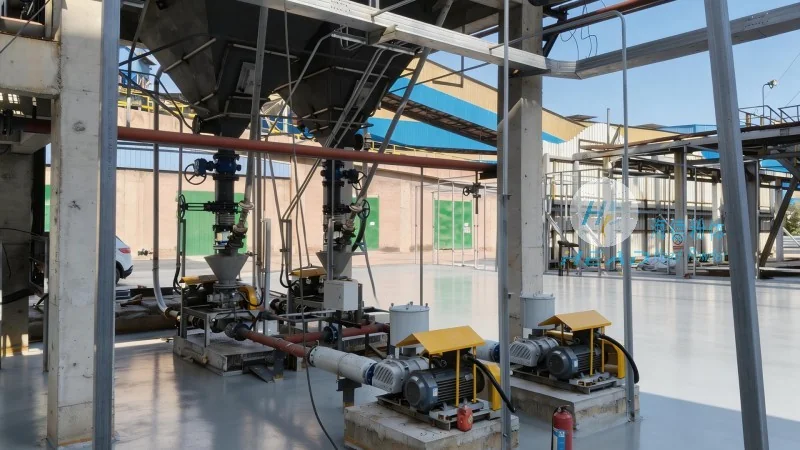
The working principle of negative pressure pneumatic conveying is based on the fundamental principles of fluid dynamics and air movement. When the vacuum pump operates, it reduces the air pressure inside the conveying line below the atmospheric pressure outside. This pressure differential creates a suction force that pulls the material particles into the line. The material is carried by the moving air stream, which is typically at a lower velocity compared to positive pressure systems, allowing for gentler handling of delicate materials. The system ensures that the material is transported in a controlled manner, minimizing the risk of material degradation or contamination.
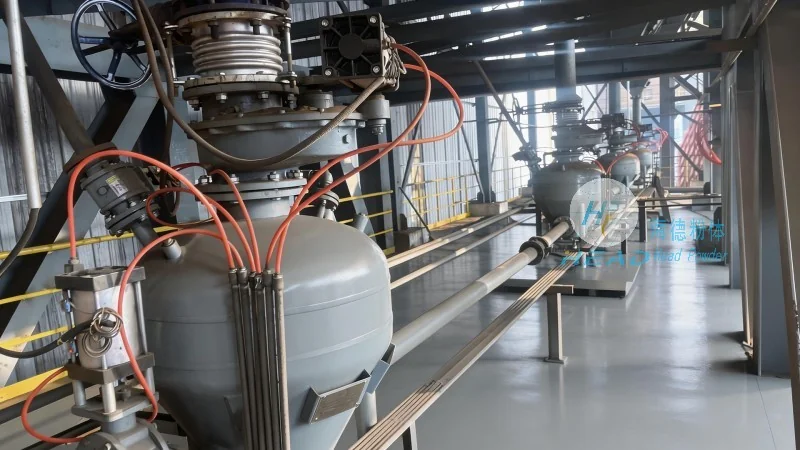
Negative pressure systems offer several advantages over other conveying methods. They are ideal for transporting materials that are sensitive to air exposure or moisture, as the sealed line prevents contamination. The system is also suitable for handling materials with high moisture content or those that are prone to caking. Additionally, negative pressure systems are more energy-efficient compared to positive pressure systems, as they require less power to operate. The gentle handling of materials reduces wear and tear on equipment, leading to lower maintenance costs and longer equipment life.
Shandong HeadPowder Engineering Co., Ltd., commonly known as headpowder, is a leading manufacturer and supplier of negative pressure pneumatic conveying systems. The company is headquartered in Shandong, China, and has established itself as a trusted partner in the industry. With years of experience and a commitment to quality, headpowder provides customized solutions tailored to the specific needs of its clients. The company's products are designed to meet the highest standards of efficiency, safety, and reliability, ensuring that they deliver superior performance in various industrial applications.

 Shandong Headpowder Engineering Co., Ltd.
 156-6277-7102(Manager Zhang)
  0531-83386006
  Zhangqiu District, Jinan City, Shandong Province, China
telephone
WeChatconsult
top