With more than 10‑year industry experience, Shandong Headpowder delivers full‑service pneumatic‑conveying systems and blowers, undertaking nationwide turn‑key powder‑handling projects.
Headpowder, a leading engineering company based in Shandong, China, specializes in the design and manufacturing of advanced pneumatic conveying systems. This article provides a detailed overview of the operation process and working principle of their polyethylene gas-solid pneumatic conveying equipment, which is widely used in the plastic processing industry for efficient material handling.
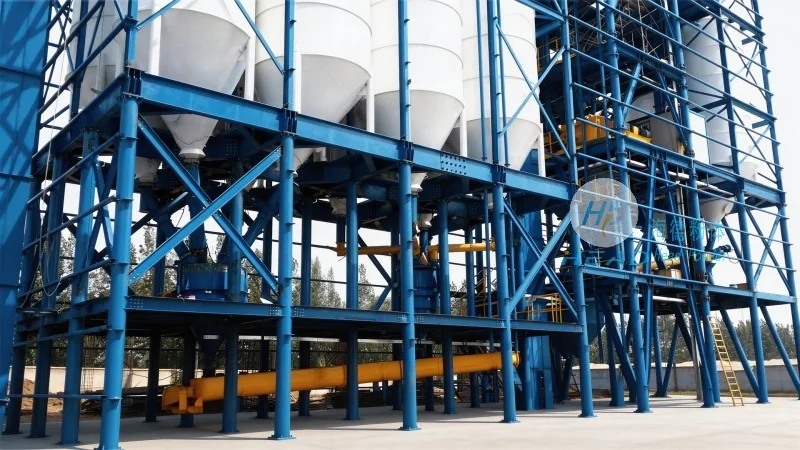
Polyethylene is a widely used thermoplastic polymer, and efficient handling of its granular form is crucial for industrial applications. Headpowder's polyethylene gas-solid pneumatic conveying equipment offers a reliable solution for transporting polyethylene particles from storage to processing units. The system operates by utilizing compressed air or other gases to move the material through a pipeline network, eliminating the need for mechanical components like belts or buckets that may cause contamination or wear.
The core principle of the polyethylene pneumatic conveying system is the transfer of solid particles (polyethylene granules) along a pipeline using a moving gas stream. There are two primary types of pneumatic conveying systems: positive pressure and negative pressure. Headpowder's equipment typically employs a positive pressure system, where compressed air is introduced at the material loading point to create a pressure differential that propels the polyethylene particles forward. The system consists of several key components, including a hopper for material storage, a rotary valve for controlled material discharge, a conveying line, and a receiver for material deposition at the destination.
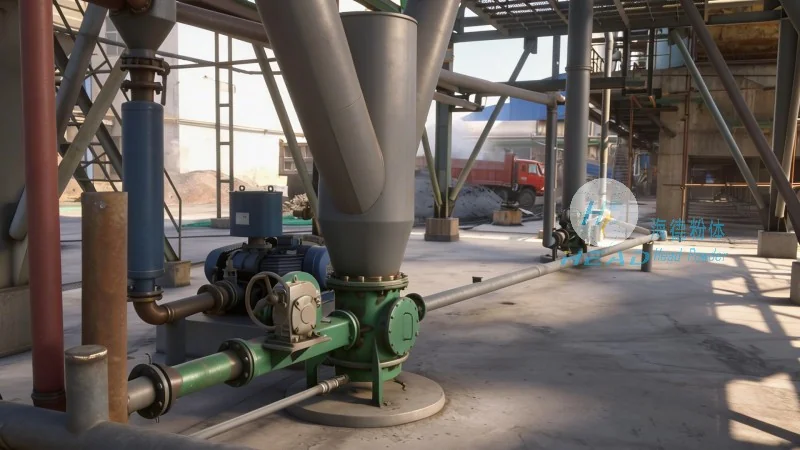
Each component of the polyethylene pneumatic conveying system plays a critical role in ensuring smooth operation. The hopper stores the polyethylene granules and provides a consistent feed to the system. The rotary valve, often a star valve or rotary airlock, regulates the flow of material from the hopper into the conveying line, preventing backflow and maintaining a steady flow rate. The conveying line, usually made of stainless steel or other corrosion-resistant materials, transports the polyethylene particles and gas mixture. The receiver at the end of the line collects the material and may include a filter to remove any entrained dust or particles from the gas stream. Compressed air is supplied by an air compressor, which generates the necessary pressure to drive the conveying process.
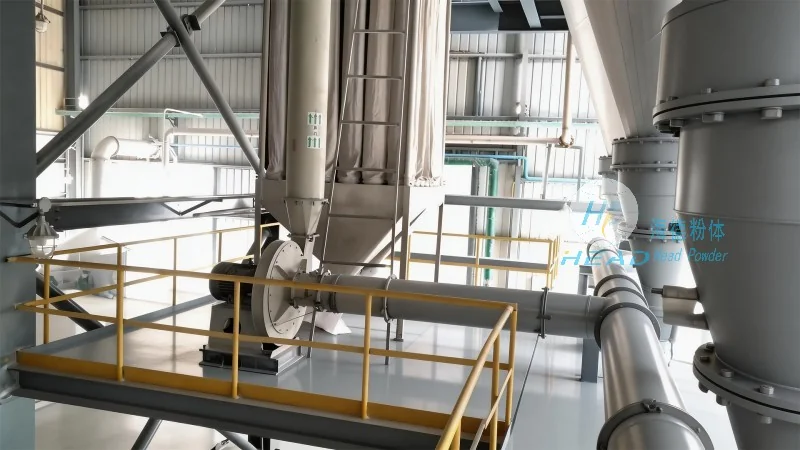
The operation of Headpowder's polyethylene pneumatic conveying equipment follows a systematic process to ensure efficient and safe material transport. The sequence typically begins with the preparation phase, where the hopper is filled with polyethylene granules and the system is checked for proper functioning. Next, the air compressor is started, and compressed air is directed into the system to establish the required pressure. The rotary valve is then activated to allow material to enter the conveying line. As the material is discharged from the hopper, it is carried by the high-velocity air stream through the pipeline to the receiver. The receiver collects the polyethylene granules, and the system continues to operate until the desired amount of material has been transferred. To stop the process, the air compressor is turned off, the rotary valve is closed, and the system is allowed to depressurize. The receiver may then be emptied, and the hopper refilled as needed.
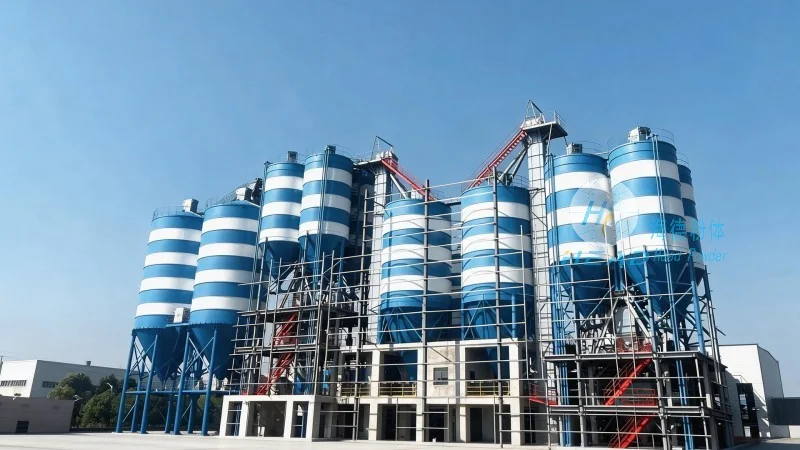
Headpowder's polyethylene pneumatic conveying equipment offers several advantages over traditional mechanical conveying methods. These include reduced risk of material contamination, lower maintenance requirements due to the absence of moving parts in contact with the product, and the ability to handle materials with varying particle sizes and moisture content. The system is particularly suitable for applications in the plastic manufacturing industry, where polyethylene is used in the production of films, containers, and other products. By efficiently transporting polyethylene granules from storage to processing units, the equipment helps improve production efficiency and reduce downtime.
Headpowder's polyethylene gas-solid pneumatic conveying equipment exemplifies advanced engineering solutions for material handling in the plastic industry. Through its understanding of pneumatic conveying principles and careful design of components, the system provides reliable and efficient transport of polyethylene granules. With its headquarters in Shandong, China, Headpowder continues to innovate and provide high-quality equipment that meets the evolving needs of industrial applications.

 Shandong Headpowder Engineering Co., Ltd.
 156-6277-7102(Manager Zhang)
  0531-83386006
  Zhangqiu District, Jinan City, Shandong Province, China
telephone
WeChatconsult
top