With more than 10‑year industry experience, Shandong Headpowder delivers full‑service pneumatic‑conveying systems and blowers, undertaking nationwide turn‑key powder‑handling projects.
For industrial applications involving gelatin, efficient and reliable material handling is crucial. The pneumatic conveying system offers a solution that combines precision with flexibility, ensuring smooth operations from raw material intake to final product delivery. This article explores the operation process and working principles of gelatin pneumatic conveying systems, highlighting key components, operational steps, and the technological advancements that enhance performance. Shandong HeadPowder Engineering Co., Ltd., a leading manufacturer in the field, specializes in designing and manufacturing high-quality gelatin pneumatic conveying systems tailored to meet the specific needs of various industries.
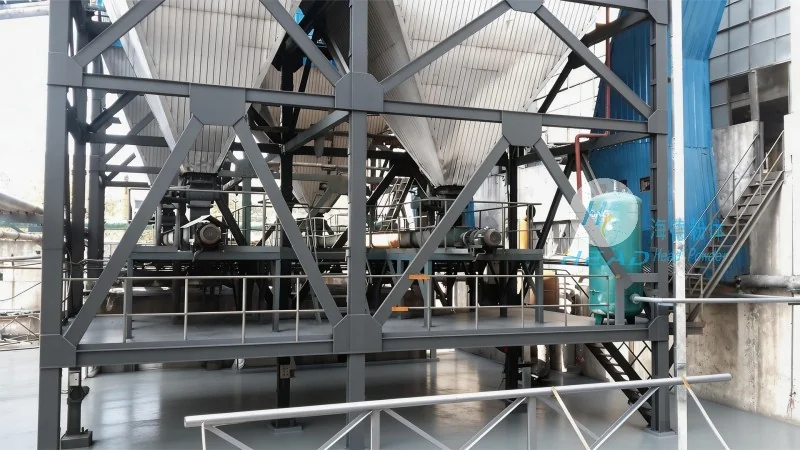
Gelatin, a versatile protein derived from collagen, is widely used in food, pharmaceutical, and cosmetic industries. The pneumatic conveying system for gelatin is designed to transport this delicate material without degradation, maintaining its quality and consistency. The system typically consists of a hopper, air compressor, conveying pipes, and a receiver, all integrated to create a closed-loop or open-loop conveying process. This setup ensures that gelatin is handled gently, preventing clumping or degradation that could affect downstream processes.
The effectiveness of a gelatin pneumatic conveying system relies on several critical components, each playing a specific role in the overall operation. The hopper is the initial storage unit where raw gelatin is loaded. It is equipped with a feeder that controls the flow rate, ensuring a consistent supply to the conveying line. The air compressor generates the necessary pressure to move the material through the pipes. Different types of compressors, such as rotary or reciprocating, are used depending on the system's capacity and the material's characteristics. The conveying pipes are usually made of stainless steel or other corrosion-resistant materials to prevent contamination and maintain the purity of gelatin. The receiver is the final storage or processing unit where the conveyed gelatin is deposited. It may include a filter or separator to remove any air or debris, ensuring the material is clean and ready for use.
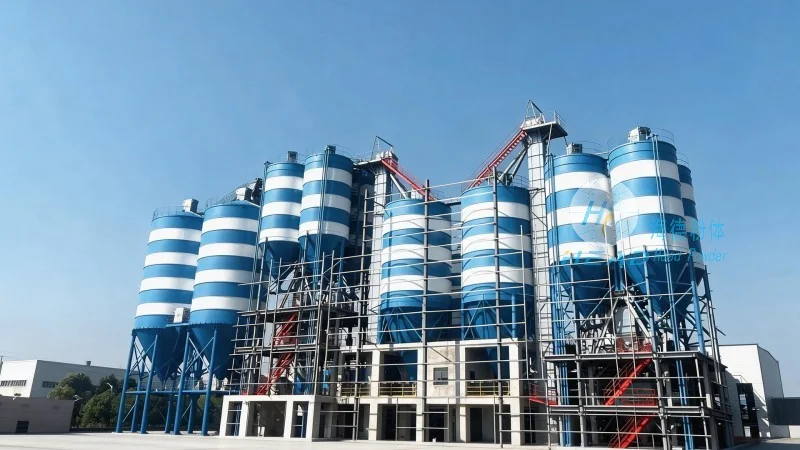
The operation of a gelatin pneumatic conveying system follows a systematic sequence of steps, each designed to optimize material transport while minimizing energy consumption and material loss. The process begins with the loading of gelatin into the hopper. The feeder then regulates the flow of gelatin into the conveying line, ensuring a steady stream. Simultaneously, the air compressor starts, generating the required air pressure. The air and gelatin mixture is then introduced into the conveying pipes. As the air flows through the pipes, it lifts and transports the gelatin particles. The velocity of the air is carefully controlled to prevent material degradation and ensure efficient transport. The conveying system may use different conveying modes, such as dilute phase or dense phase, depending on the application. Dilute phase conveying uses lower air velocities and higher material-to-air ratios, suitable for long-distance transport. Dense phase conveying uses higher air velocities and lower material-to-air ratios, ideal for short-distance transport or when handling delicate materials like gelatin. The receiver then collects the gelatin as the air is filtered and discharged. The entire process is monitored by sensors and control systems, which adjust the flow rates and air pressure as needed to maintain optimal performance.
The working principle of a gelatin pneumatic conveying system is based on the principles of fluid dynamics and particle transport. The system operates by creating a pressure differential between the hopper and the receiver. The air compressor increases the pressure in the conveying line, while the receiver maintains a lower pressure. This pressure difference drives the movement of the gelatin particles through the pipes. The air acts as a carrier, lifting and transporting the gelatin particles. The velocity of the air is crucial; it must be sufficient to overcome the gravitational force and frictional resistance of the material. The material's properties, such as particle size, density, and moisture content, affect the required air velocity. For gelatin, which is a fine powder or granules, the system is designed to handle these characteristics without causing clumping or degradation. The system also uses air filters and separators to remove any air or debris from the conveyed material, ensuring the final product is of high quality. The control systems in the system monitor parameters such as pressure, flow rate, and temperature, adjusting the operation to maintain optimal conditions. This ensures that the gelatin is transported efficiently and safely, meeting the quality standards required in various industries.
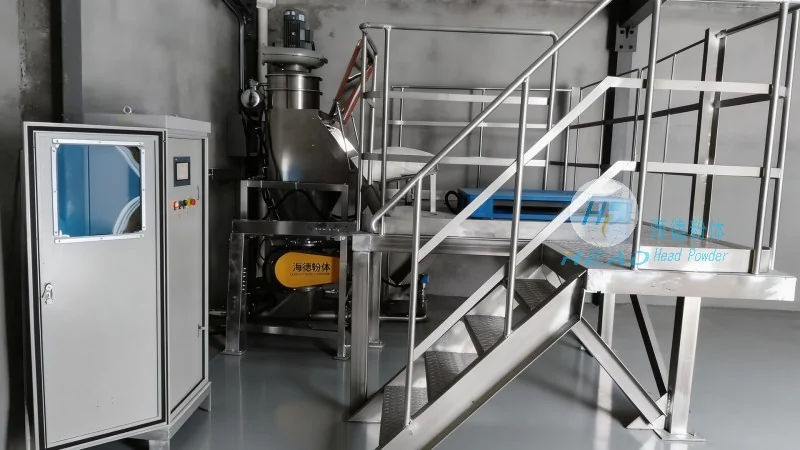
Implementing a gelatin pneumatic conveying system offers several advantages over traditional material handling methods. One of the primary benefits is the ability to handle delicate materials like gelatin without degradation. The system's gentle handling prevents clumping, agglomeration, or damage to the material's structure, which is critical for maintaining its quality in food, pharmaceutical, and cosmetic applications. Another advantage is the reduced risk of contamination. The closed-loop system minimizes exposure to external contaminants, ensuring the gelatin remains pure and meets regulatory standards. The system also offers flexibility in terms of layout and distance. It can be configured to handle materials over long distances or in complex plant layouts, with minimal space requirements. Additionally, the system is energy-efficient compared to other methods like belt conveyors or bucket elevators. The use of air as the conveying medium reduces the need for mechanical components, lowering maintenance costs and energy consumption. The system also provides real-time monitoring and control, allowing operators to adjust the process parameters to optimize performance and ensure consistent material quality.
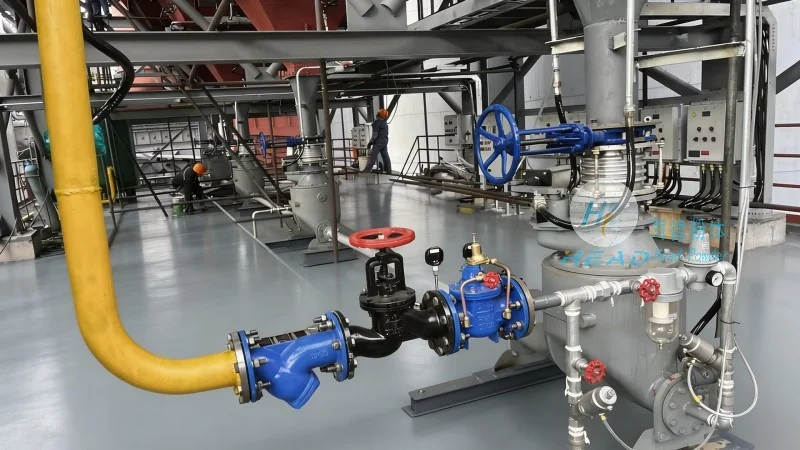
Gelatin pneumatic conveying systems are widely used in various industries due to their versatility and efficiency. In the food industry, these systems are used to transport gelatin for use in confectionery, beverages, and dietary supplements. The gentle handling ensures that the gelatin remains in its optimal form, enhancing the final product's texture and quality. In the pharmaceutical industry, the system is used to transport gelatin for use in capsules, tablets, and other medicinal products. The high-purity conveying ensures that the gelatin is free from contaminants, meeting the stringent quality standards required for pharmaceutical applications. In the cosmetic industry, gelatin is used in creams, lotions, and other personal care products. The system's ability to handle delicate materials without degradation ensures that the final cosmetic products maintain their texture and effectiveness. Additionally, the system is used in research and development laboratories to transport small quantities of gelatin for testing and formulation. The precision and control offered by the pneumatic conveying system make it ideal for these applications, allowing researchers to handle small batches of material with accuracy.
To ensure the long-term performance and reliability of a gelatin pneumatic conveying system, regular maintenance and proper troubleshooting are essential. The system's components, such as the hopper, feeder, air compressor, and conveying pipes, require periodic inspection and cleaning. The hopper and feeder should be cleaned to remove any residual gelatin that could cause clogging or degradation. The air compressor should be checked for proper operation, including pressure and temperature, to ensure it is functioning efficiently. The conveying pipes should be inspected for any signs of wear or corrosion, which could affect the material's purity. The receiver and filters should be cleaned regularly to prevent clogging and ensure proper air filtration. Troubleshooting common issues, such as clogging or low conveying efficiency, involves checking the flow rates, air pressure, and material properties. If clogging occurs, the system may need to be stopped and the hopper or pipes cleared. If the conveying efficiency is low, the air pressure or flow rate may need to be adjusted. Regular maintenance and proper troubleshooting help to minimize downtime and ensure the system operates at optimal performance, maintaining the quality of the gelatin and reducing operational costs.

 Shandong Headpowder Engineering Co., Ltd.
 156-6277-7102(Manager Zhang)
  0531-83386006
  Zhangqiu District, Jinan City, Shandong Province, China
telephone
WeChatconsult
top