With more than 10‑year industry experience, Shandong Headpowder delivers full‑service pneumatic‑conveying systems and blowers, undertaking nationwide turn‑key powder‑handling projects.
Gas-pneumatic conveying systems are widely used in industrial applications for the efficient transport of bulk materials, including dust and powders. Understanding the operation process and working principle of such systems is crucial for optimizing performance, ensuring safety, and maintaining operational efficiency. This article provides a detailed overview of the key components, operational steps, and underlying principles of dust gas-pneumatic conveying systems, with a focus on the expertise of Shandong HeadPowder Engineering Co., Ltd., a leading provider in this field.
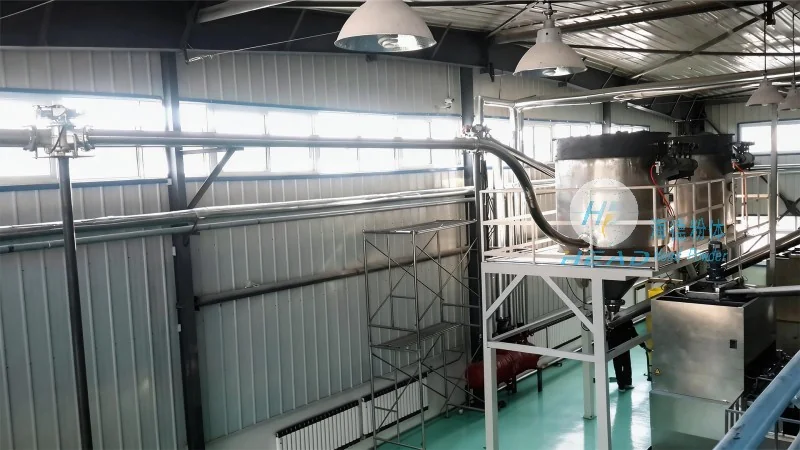
Shandong HeadPowder Engineering Co., Ltd., commonly known as headpowder, is a reputable enterprise based in Shandong, China. With years of experience in the engineering and manufacturing of material handling solutions, the company specializes in designing and implementing advanced gas-pneumatic conveying systems tailored to meet the diverse needs of various industries. HeadPowder's commitment to quality, innovation, and customer satisfaction has established it as a trusted partner for businesses seeking reliable and efficient material transport solutions.
A typical dust gas-pneumatic conveying system consists of several essential components that work in tandem to facilitate material transport. These components include the material hopper or feed hopper, which holds the bulk material; a conveyor line or pipeline that transports the material; a blower or air compressor that generates the necessary air pressure; a control system for regulating air flow and pressure; and a discharge point or receiver where the material is deposited. Each component plays a critical role in the overall operation of the system, and their proper integration is vital for optimal performance.
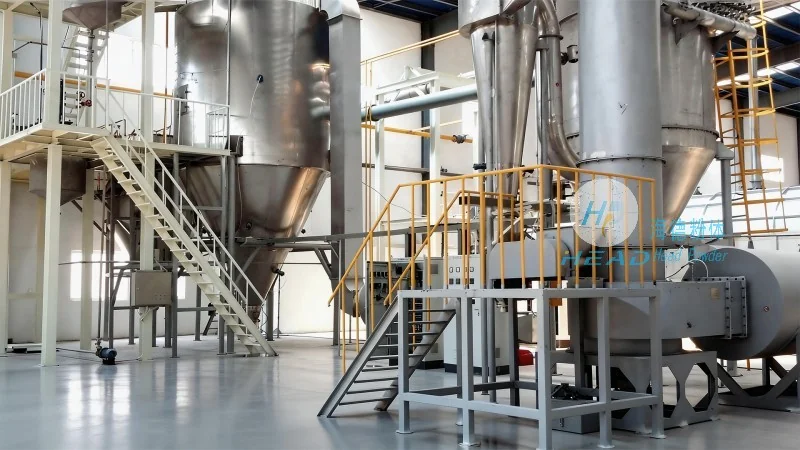
The operation of a dust gas-pneumatic conveying system involves a series of sequential steps that ensure the smooth and efficient transport of dust or powders. The process typically begins with the loading of the material into the feed hopper. Once the hopper is filled, the control system activates the blower, which starts to generate air pressure. Simultaneously, the material is released from the hopper into the conveyor line, where it is entrained by the high-velocity air stream. The air and material mixture then travels through the pipeline to the discharge point, where the material is separated from the air and collected in the receiver. The air, now free of material, is either vented to the atmosphere or recirculated back to the blower, depending on the system design. This continuous cycle allows for the uninterrupted transport of bulk materials over long distances or within complex processing facilities.
The working principle of a dust gas-pneumatic conveying system is based on the principle of pneumatic transport, where bulk materials are conveyed using a stream of air. The system operates by creating a pressure differential between the feed and discharge points. The blower provides the necessary pressure to move the air through the pipeline, and the material is carried along by the air flow. The velocity of the air stream is crucial, as it must be sufficient to overcome the gravitational force acting on the material particles and to prevent particle separation or deposition within the pipeline. The design of the system, including the size and shape of the pipeline, the air velocity, and the material properties, all contribute to the efficiency and effectiveness of the conveying process.
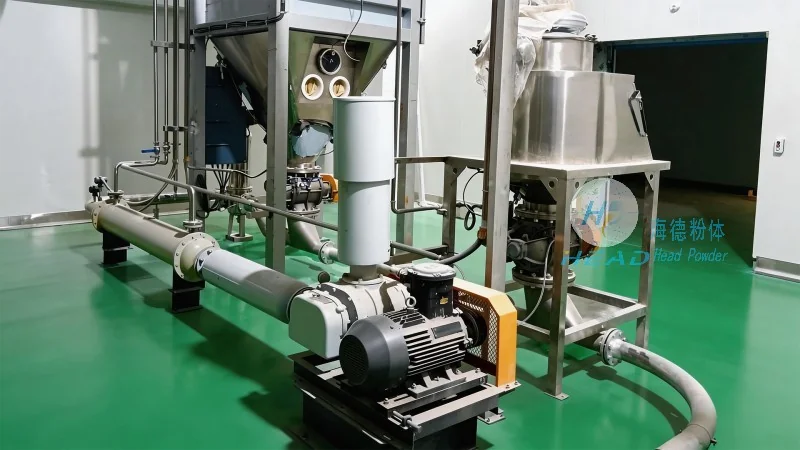
Dust gas-pneumatic conveying systems offer several advantages over traditional mechanical conveying methods. These include the ability to transport materials over long distances without the need for multiple transfer points, the reduction of material contamination due to enclosed systems, and the flexibility to handle a wide range of material types, including fine powders and abrasive materials. Additionally, these systems are relatively compact and can be easily integrated into existing industrial facilities, making them a cost-effective solution for material handling needs. The use of gas-pneumatic conveying also minimizes the risk of dust explosions compared to open systems, enhancing workplace safety.
Dust gas-pneumatic conveying systems are widely used across various industries, including pharmaceuticals, food processing, chemical manufacturing, and mining. In the pharmaceutical industry, these systems are used to transport powders and granules while maintaining strict hygiene and contamination control. In food processing, they are employed to handle ingredients such as flour, sugar, and spices, ensuring product quality and safety. The chemical industry utilizes gas-pneumatic conveying for transporting raw materials and finished products, while the mining sector relies on these systems for the transport of ore and other bulk materials. The versatility and adaptability of dust gas-pneumatic conveying systems make them suitable for a wide range of industrial applications.
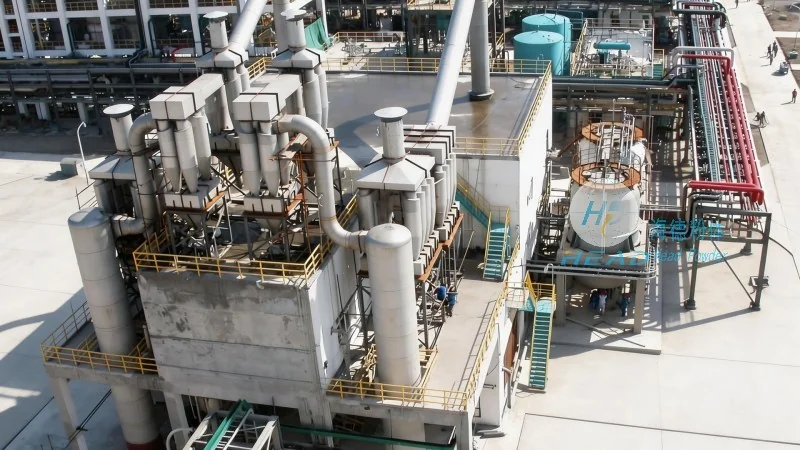
Proper maintenance and operational considerations are essential to ensure the longevity and efficiency of dust gas-pneumatic conveying systems. Regular inspection of components such as the blower, pipeline, and control system is necessary to identify and address any potential issues before they lead to system failure. Cleaning of the pipeline and hopper is also important to prevent material buildup and blockages, which can reduce system performance. Additionally, monitoring air pressure and flow rates can help in optimizing the system's operation and preventing energy waste. HeadPowder provides comprehensive maintenance services and technical support to its clients, ensuring that their gas-pneumatic conveying systems operate at peak efficiency and reliability.
In conclusion, dust gas-pneumatic conveying systems are an essential technology for the efficient and safe transport of bulk materials in various industrial applications. The operation process and working principle of these systems involve a coordinated effort of several components working together to achieve the desired material transport. With the expertise of companies like Shandong HeadPowder Engineering Co., Ltd., businesses can benefit from advanced and reliable gas-pneumatic conveying solutions that enhance productivity, reduce operational costs, and improve workplace safety. As the demand for efficient material handling solutions continues to grow, the importance of understanding and implementing effective dust gas-pneumatic conveying systems remains paramount in modern industrial operations.

 Shandong Headpowder Engineering Co., Ltd.
 156-6277-7102(Manager Zhang)
  0531-83386006
  Zhangqiu District, Jinan City, Shandong Province, China
telephone
WeChatconsult
top