

Operation Process and Working Principle of an Automatic Weighing Pneumatic Conveying System
The automatic weighing pneumatic conveying system is a sophisticated industrial solution designed to efficiently transport bulk materials while ensuring precise weight measurement. Developed by Shandong HeadPowder Engineering Co., Ltd., this system integrates advanced pneumatic technology with automated weighing mechanisms, providing a reliable and efficient method for material handling in various industrial applications. The system is engineered to handle a wide range of materials, from powders to granules, and is particularly suitable for industries such as food processing, pharmaceuticals, and chemical manufacturing, where accuracy and consistency are critical.
Key Components of the System
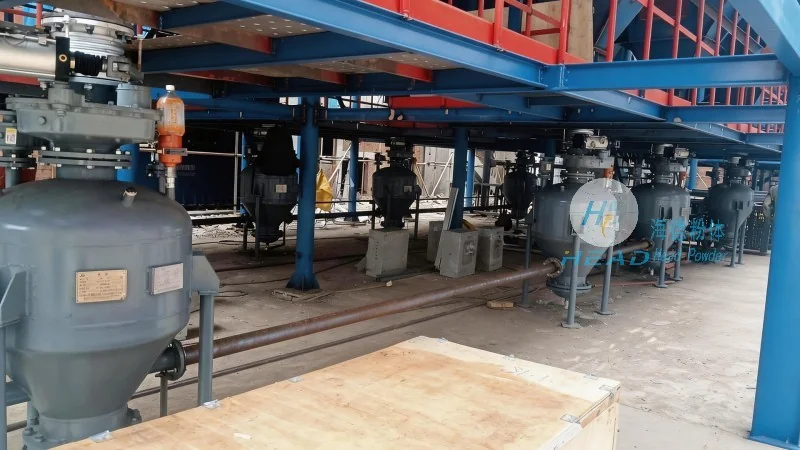
The automatic weighing pneumatic conveying system consists of several key components that work in tandem to achieve optimal performance. These components include a material hopper, a pneumatic conveying line, a weighing hopper or scale, a control system, and a dust collection system. The material hopper is responsible for storing the bulk material, while the pneumatic conveying line uses compressed air to transport the material from the hopper to the weighing hopper. The weighing hopper is equipped with a high-precision scale that measures the weight of the material as it is conveyed. The control system manages the entire process, including the flow rate of the material, the pressure of the air, and the timing of the weighing operation. The dust collection system ensures that the system operates in a clean and safe environment by capturing any airborne particles.
Working Principle of the System
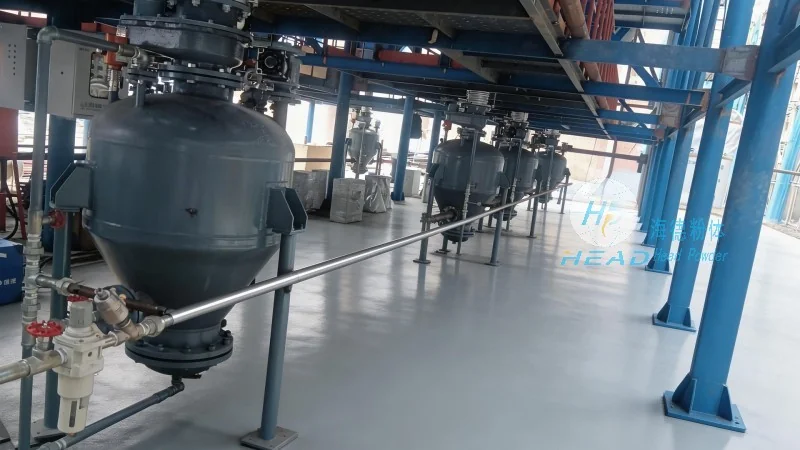
The operation of the automatic weighing pneumatic conveying system follows a systematic process that ensures accurate and consistent material handling. The process begins with the material being loaded into the material hopper. The control system then activates the pneumatic conveying system, which uses compressed air to create a flow of material through the conveying line. As the material moves through the line, it is directed into the weighing hopper. The weighing hopper’s scale continuously measures the weight of the material, and the control system records this data. Once the desired weight is reached, the control system signals the system to stop conveying the material. The material is then discharged from the weighing hopper into the final destination, such as a storage bin or processing unit. The system then resets and prepares for the next cycle.
Operation Process: Step-by-Step
The operation of the automatic weighing pneumatic conveying system can be broken down into several distinct steps. First, the material is loaded into the material hopper. The control system then checks the system status and initiates the pneumatic conveying process. The compressed air is turned on, and the material begins to move through the conveying line. The weighing hopper starts to accumulate material, and the scale continuously updates the weight measurement. The control system monitors the weight and compares it to the set point. When the weight reaches the target, the system stops the air flow and signals the discharge mechanism. The material is then released from the weighing hopper into the receiving container. After the discharge, the system resets the scale and prepares for the next batch. This cycle repeats continuously, ensuring a steady and controlled flow of material while maintaining precise weight measurement.
Advantages of the Automatic Weighing Pneumatic Conveying System
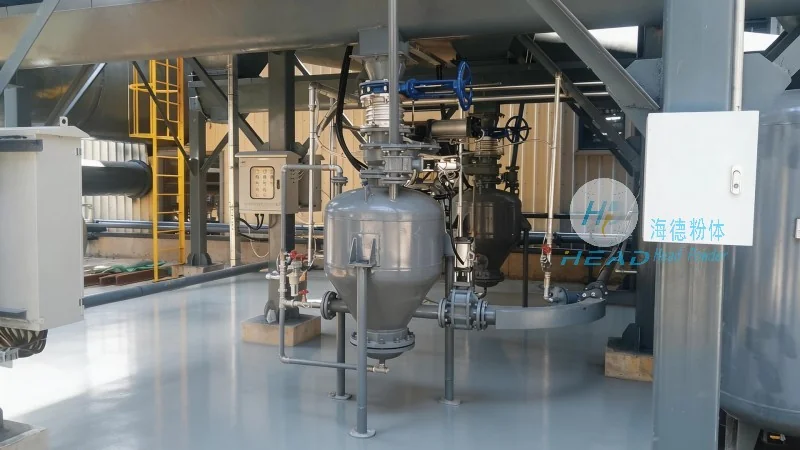
Shandong HeadPowder Engineering Co., Ltd. has designed the automatic weighing pneumatic conveying system to offer several advantages over traditional material handling methods. One of the primary benefits is the high level of accuracy in weight measurement, which is crucial for industries where precise dosing is required. The system also provides a continuous and consistent flow of material, reducing downtime and improving overall productivity. Additionally, the automated control system minimizes the need for manual intervention, enhancing safety and reducing labor costs. The system is also designed for easy maintenance and cleaning, ensuring long-term reliability and low operational costs. The integration of pneumatic conveying with weighing technology also allows for a compact and space-efficient design, making it suitable for facilities with limited space.