With more than 10‑year industry experience, Shandong Headpowder delivers full‑service pneumatic‑conveying systems and blowers, undertaking nationwide turn‑key powder‑handling projects.
HeadPowder, a leading engineering company based in Shandong, China, specializes in the design, manufacturing, and installation of advanced negative pressure vacuum pneumatic conveying systems. These systems are engineered to efficiently transport bulk materials over long distances with minimal environmental impact and operational complexity.
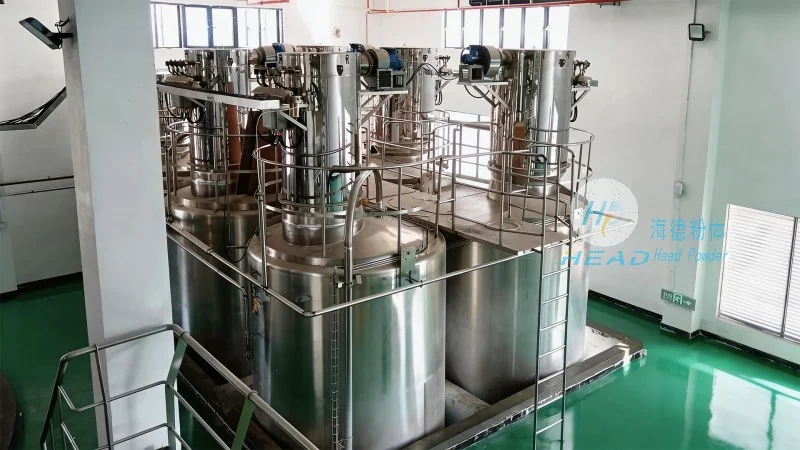
HeadPowder Engineering Co., Ltd. is a reputable enterprise dedicated to providing high-quality solutions for material handling challenges. The company is headquartered in Shandong, China, where it leverages local resources and expertise to deliver innovative pneumatic conveying technologies. Our commitment to precision engineering ensures that each system is tailored to meet the specific needs of our clients, whether in industrial, pharmaceutical, or food processing sectors.
A negative pressure vacuum pneumatic conveying system operates by creating a low-pressure environment within the conveying line, which draws material from the source into the system. This method is particularly effective for handling fine powders, granules, and other dry bulk materials that require gentle handling to prevent degradation or loss. The system uses a vacuum pump to generate the necessary suction force, ensuring consistent and reliable material transport.
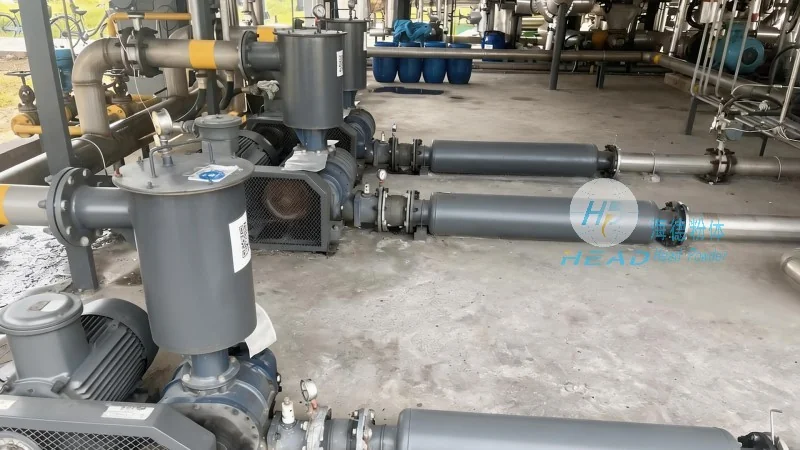
The core components of a negative pressure vacuum pneumatic conveying system include the vacuum pump, material feed hopper, conveying line, and discharge hopper. The vacuum pump is responsible for maintaining the low-pressure conditions, while the feed hopper stores the material and regulates its flow into the system. The conveying line, typically made of stainless steel or other corrosion-resistant materials, transports the material from the feed point to the discharge point. The discharge hopper then collects the material and releases it into the final destination, such as a silo or processing unit.
The operation of a negative pressure vacuum pneumatic conveying system involves several key steps. First, the material is loaded into the feed hopper. The vacuum pump is then activated, creating a vacuum in the conveying line. As the vacuum is established, the material is drawn from the feed hopper into the line and transported to the discharge point. The system maintains a continuous flow by adjusting the vacuum level and feed rate to match the material's characteristics and the required conveying distance. This process ensures that the material is conveyed efficiently and without interruption, minimizing downtime and maximizing productivity.
The working principle of a negative pressure vacuum pneumatic conveying system is based on the principles of fluid dynamics and vacuum technology. By creating a pressure differential between the conveying line and the surrounding environment, the system generates suction force that pulls the material particles into the air stream. The material is then carried through the line as a slurry of air and particles, with the vacuum pump maintaining the necessary pressure to keep the material in suspension. This method allows for gentle handling of delicate materials, as the particles are not subjected to high impact or friction during transport.
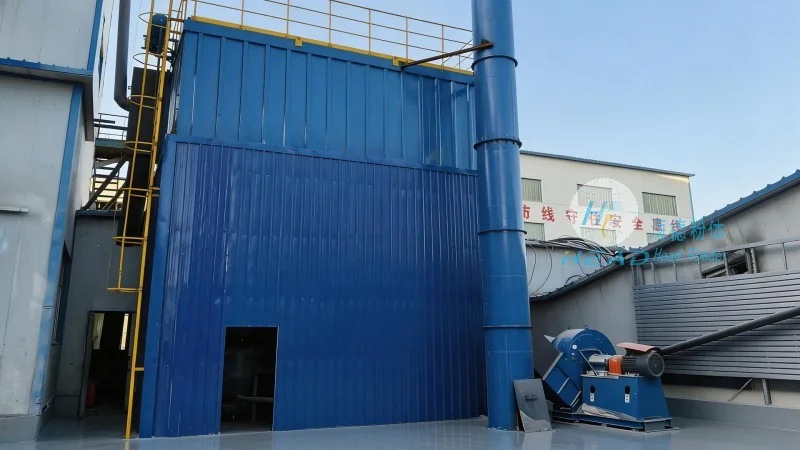
Compared to positive pressure systems, negative pressure vacuum conveying offers several advantages. It is more energy-efficient, as the vacuum pump operates at lower pressures and consumes less power. Additionally, it is more environmentally friendly, as it reduces dust emissions and minimizes the risk of material contamination. The system also allows for longer conveying distances and can handle materials with higher moisture content or more abrasive properties. Furthermore, the gentle handling of materials prevents degradation, ensuring that the product quality is maintained throughout the conveying process.
Negative pressure vacuum pneumatic conveying systems are widely used in a variety of industries, including pharmaceuticals, food processing, chemicals, and minerals. In the pharmaceutical industry, these systems are used to transport sensitive powders and granules, ensuring that the materials remain sterile and free from contamination. In food processing, they are used to handle ingredients such as flour, sugar, and spices, maintaining the quality and safety of the products. In the chemical industry, they are used to transport powders and granules that are hazardous or require careful handling. The versatility of these systems makes them an essential component in modern material handling operations.

 Shandong Headpowder Engineering Co., Ltd.
 156-6277-7102(Manager Zhang)
  0531-83386006
  Zhangqiu District, Jinan City, Shandong Province, China
telephone
WeChatconsult
top