With more than 10‑year industry experience, Shandong Headpowder delivers full‑service pneumatic‑conveying systems and blowers, undertaking nationwide turn‑key powder‑handling projects.
For industries dealing with boron powder, efficient material handling is crucial to maintain production efficiency and ensure product quality. A pneumatic conveying machine specifically designed for boron powder offers a reliable solution that integrates advanced technology with practical application in various industrial settings. This article explores the underlying principles of such a machine and highlights its key characteristics in different working scenarios, providing insights into how it enhances operational performance.
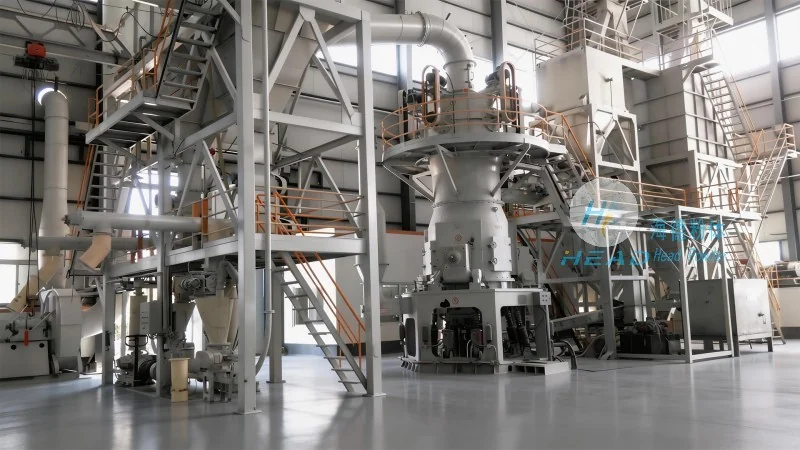
Boron powder, with its fine particle size and potential for dust generation, requires specialized equipment for safe and effective transport. The pneumatic conveying system, which utilizes air or gas as the conveying medium, addresses these challenges by creating a sealed environment that minimizes contamination and loss. As a leading provider in this field, Shandong HeadPowder Engineering Co., Ltd. specializes in designing and manufacturing pneumatic conveying solutions tailored to the unique demands of boron powder processing. Their expertise ensures that the equipment not only meets but exceeds industry standards for efficiency and safety.
The core principle of a pneumatic conveying machine for boron powder involves the use of pressurized or vacuum air to move the material through a pipeline. In a pressurized system, air is forced into the material hopper, creating a pressure differential that propels the powder forward. This method is particularly effective for long-distance or high-volume transport, as it maintains consistent flow rates and reduces the risk of material degradation. Conversely, a vacuum system draws the material into the pipeline using a suction mechanism, which is ideal for applications requiring gentle handling or when the material needs to be transported from multiple sources. Both systems rely on the interaction between the air flow and the powder particles to achieve efficient transport, with the design of the machine tailored to the specific properties of boron powder, such as its density, flowability, and potential for caking.
The application of a boron powder pneumatic conveying machine varies significantly across different industrial environments, each presenting unique challenges and requirements. Understanding these characteristics is essential for selecting the right equipment for a specific operation.
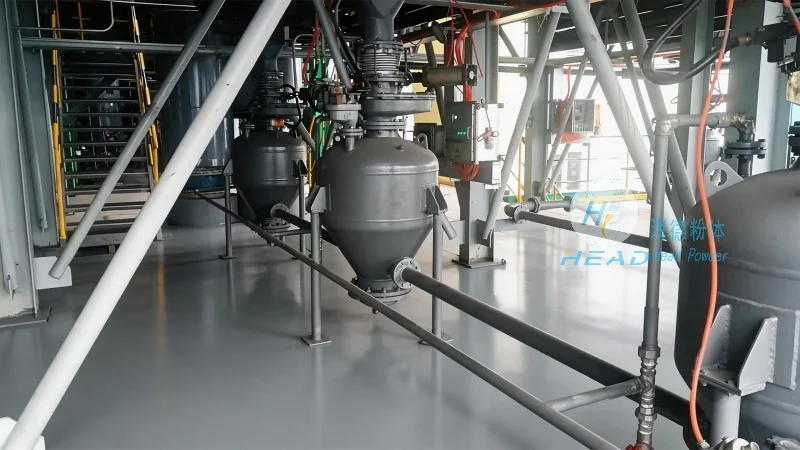
In chemical processing facilities, boron powder is often used as an additive or raw material in the production of various compounds. The pneumatic conveying system in this scenario must handle the powder in a controlled environment to prevent cross-contamination and ensure precise dosing. The machine's design typically includes features like dust collection systems and material separation units to maintain a clean and safe working area. The pressurized conveying method is commonly employed here due to its ability to handle high volumes and maintain consistent pressure, which is critical for maintaining the quality of the final product.
Boron powder is also widely used in metallurgy for alloying purposes, where it is added to molten metals to enhance their properties. In foundry operations, the material needs to be transported from storage to the melting furnace or mixing equipment. The pneumatic conveying machine in this context must be robust enough to handle abrasive particles and withstand high temperatures, if applicable. The system often incorporates a heating element or insulation to prevent the material from cooling down during transport, which could affect its reactivity. The vacuum conveying method may be preferred in some foundries to minimize the risk of dust exposure and ensure a clean working environment.
While less common, boron powder is sometimes used in pharmaceutical and food applications, requiring strict adherence to hygiene and safety standards. The pneumatic conveying system in these industries must be fully enclosed and equipped with high-efficiency particulate air (HEPA) filters to prevent any dust from escaping into the environment. The machine's components are typically made of food-grade materials and are easy to clean and maintain. The use of a vacuum system is preferred here to ensure that the material is handled gently and without any contamination from external sources. The system also includes monitoring devices to track the flow rate and pressure, ensuring that the material is delivered accurately and consistently.
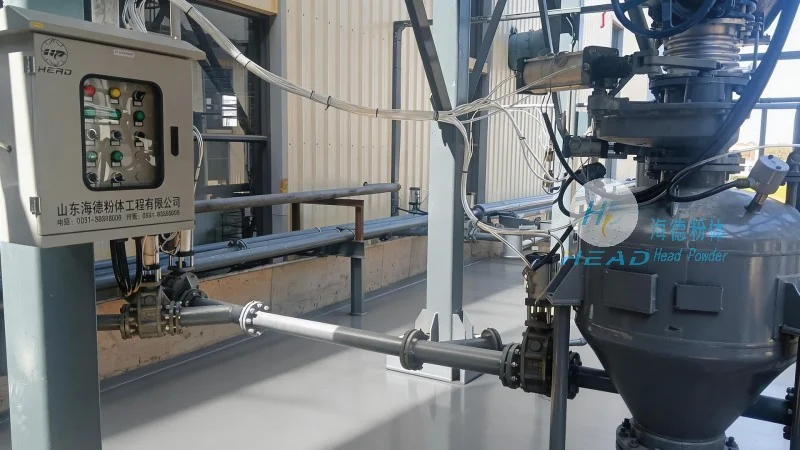
In research and development settings, small-scale pneumatic conveying systems are used to transport boron powder for experimental purposes. These systems are often compact and modular, allowing for easy integration into existing lab setups. The machine may include features like variable speed controls and precise dosing mechanisms to facilitate accurate measurements and testing. The design emphasizes safety and ease of use, with clear indicators for air pressure and material flow. The system is typically equipped with a small dust collection unit to maintain a clean lab environment and prevent any accidental exposure to the powder.
Implementing a pneumatic conveying machine for boron powder offers several advantages that contribute to improved operational efficiency and product quality. Firstly, it eliminates the need for manual handling, reducing the risk of dust exposure and potential health hazards for workers. Secondly, the sealed system minimizes material loss and contamination, ensuring that the powder remains in its original state until it reaches its destination. Thirdly, the system allows for precise control over the flow rate and pressure, enabling accurate dosing and consistent product quality. Additionally, the machine's design is flexible, allowing it to be adapted to different production scales and operational requirements. The expertise of companies like Shandong HeadPowder Engineering Co., Ltd. ensures that these advantages are maximized through tailored solutions that meet the specific needs of each application.
A pneumatic conveying machine for boron powder is a critical component in industries that rely on this material for various applications. By understanding the fundamental principles of pneumatic conveying and the specific characteristics of different working scenarios, businesses can select the most appropriate equipment to enhance their operational efficiency and product quality. The specialized solutions provided by companies such as Shandong HeadPowder Engineering Co., Ltd. in China, with their deep understanding of material properties and industrial requirements, offer a reliable path to achieving these goals. As the demand for efficient material handling continues to grow, the role of advanced pneumatic conveying systems in boron powder processing will only become more significant.

 Shandong Headpowder Engineering Co., Ltd.
 156-6277-7102(Manager Zhang)
  0531-83386006
  Zhangqiu District, Jinan City, Shandong Province, China
telephone
WeChatconsult
top