With more than 10‑year industry experience, Shandong Headpowder delivers full‑service pneumatic‑conveying systems and blowers, undertaking nationwide turn‑key powder‑handling projects.
Shandong HeadPowder Engineering Co., Ltd. specializes in the design and manufacturing of advanced pneumatic conveying systems tailored for handling gypsum particles. This equipment is engineered to efficiently transport gypsum materials from storage to processing or packaging areas, ensuring reliable and consistent material flow in industrial applications. The core of these systems lies in the principles of air-based transport, which utilize compressed air to move bulk materials through pipelines, eliminating the need for traditional mechanical conveyors.
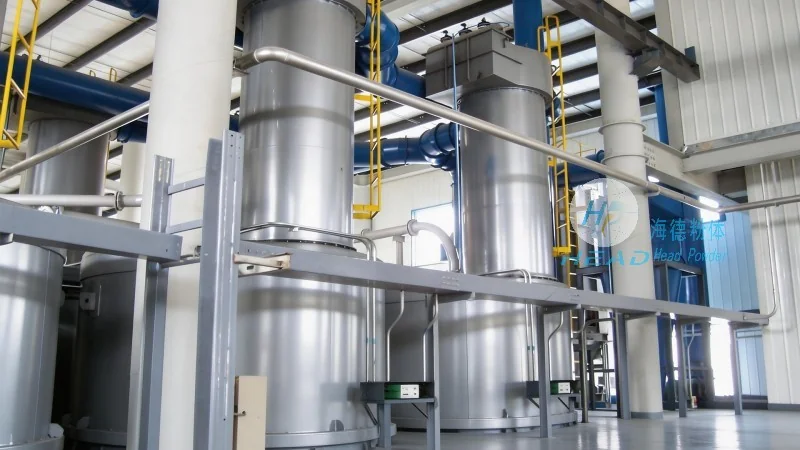
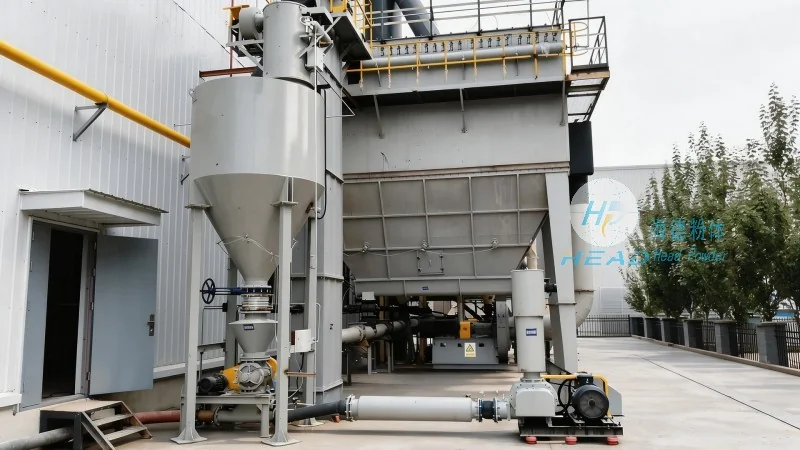
The fundamental principle behind gypsum particle pneumatic conveying involves the use of a positive pressure or negative pressure system to generate the necessary airflow. In a positive pressure system, compressed air is introduced at the material inlet, creating a pressure differential that propels the gypsum particles through the pipeline. Conversely, a negative pressure system draws air and material from the discharge end, creating a vacuum that pulls the material forward. For gypsum, which is typically dry and free-flowing, a positive pressure system is often preferred due to its ability to handle higher material loads and maintain consistent flow rates. The equipment includes key components such as a hopper for material storage, a feeder to control the flow rate, a compressor to generate the required air pressure, and a pipeline network that connects the source to the destination. The hopper is designed with a smooth interior to prevent material buildup and ensure uniform feeding. The feeder, often a rotary valve or a screw feeder, regulates the amount of gypsum released into the pipeline, preventing overloading and maintaining stable pressure. The compressor, typically a rotary screw or centrifugal type, provides the necessary air pressure, with options for variable speed control to adjust flow rates based on demand. The pipeline system is constructed from materials resistant to gypsum's chemical properties, such as stainless steel or coated steel, to prevent corrosion and ensure durability. The system also incorporates filters and cyclones to separate the air from the material at the discharge end, allowing the air to be recirculated or vented safely. This closed-loop system enhances efficiency and reduces material loss, making it ideal for industrial applications where precision and reliability are critical.
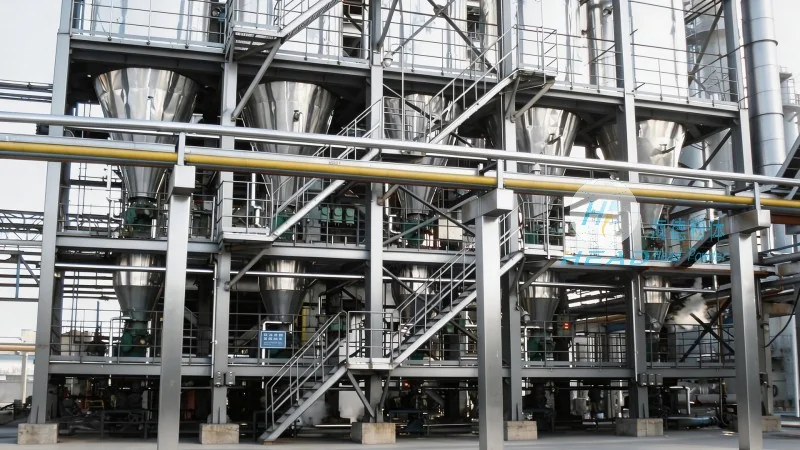
The working scene characteristics of gypsum particle pneumatic conveying equipment are tailored to meet the specific demands of industrial environments where gypsum is processed or used. These characteristics include high efficiency in material transport, minimal space requirements compared to traditional conveyors, and the ability to handle long-distance transport without the need for multiple transfer points. The equipment is particularly suitable for applications in the construction industry, where gypsum is used as a raw material for plaster, drywall, and other building materials. In such scenarios, the pneumatic conveying system can transport gypsum from a storage silo to a production line, ensuring a continuous supply of material without interruptions. Another key characteristic is the hygienic design of the equipment, which is essential for food-grade or pharmaceutical applications where gypsum may be used as a filler or additive. The smooth surfaces and easy-to-clean components of the system prevent contamination and maintain compliance with industry standards. Additionally, the system's ability to handle varying particle sizes and moisture content makes it versatile for different types of gypsum products, from fine powders to larger granules. The working scene also includes the integration of safety features, such as pressure relief valves and emergency shut-off systems, to prevent accidents and ensure operational safety. These features are crucial in industrial settings where large volumes of material are being transported, as they provide a reliable safeguard against overpressure or other hazards. The equipment's adaptability to different operating conditions, such as temperature fluctuations or varying material flow rates, further enhances its suitability for diverse working environments. Overall, the working scene characteristics highlight the equipment's efficiency, reliability, and adaptability, making it a preferred choice for industrial applications involving gypsum particle transport.
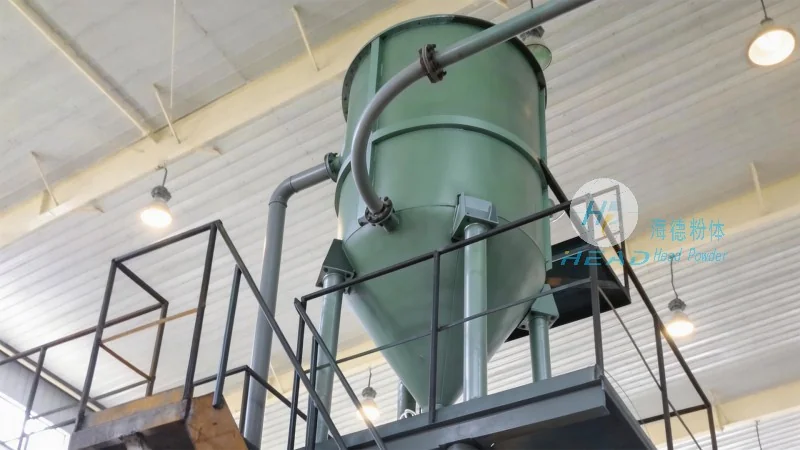
Real-world applications of gypsum particle pneumatic conveying equipment demonstrate its effectiveness in various industrial settings. For instance, in a gypsum board manufacturing plant, the system efficiently transports raw gypsum from a storage silo to the mixing and molding units. The positive pressure system ensures a consistent flow rate, preventing material buildup in the pipeline and maintaining production continuity. The equipment's ability to handle large volumes of material reduces the need for manual handling, improving workplace safety and reducing labor costs. In another scenario, a construction material supplier uses the system to transport gypsum from a warehouse to delivery trucks, enabling faster and more efficient loading processes. The system's compact design allows it to be installed in tight spaces, which is often a challenge in existing facilities. The operational benefits of this equipment extend beyond material transport efficiency. The closed-loop system reduces energy consumption by recirculating the air, lowering operational costs and minimizing environmental impact. The absence of moving parts in the pipeline, except for the feeder and compressor, reduces maintenance requirements and extends the equipment's lifespan. Additionally, the system's ability to handle dusty or fine materials without clogging the pipeline is a significant advantage, as it eliminates the need for frequent cleaning and maintenance. The working scene also includes the integration of monitoring systems, such as pressure sensors and flow meters, to provide real-time data on the system's performance. This allows operators to adjust the system parameters dynamically, optimizing flow rates and ensuring optimal operation. The benefits of using gypsum particle pneumatic conveying equipment are evident in terms of productivity, cost savings, and operational reliability. The system's ability to handle high material loads and maintain consistent flow rates ensures that production processes are not interrupted, leading to increased output and improved profitability. Furthermore, the hygienic design and safety features of the equipment make it suitable for applications where product quality and worker safety are paramount. Overall, the application examples and operational benefits highlight the equipment's versatility and effectiveness in meeting the diverse needs of industrial applications involving gypsum particle transport.

 Shandong Headpowder Engineering Co., Ltd.
 156-6277-7102(Manager Zhang)
  0531-83386006
  Zhangqiu District, Jinan City, Shandong Province, China
telephone
WeChatconsult
top