With more than 10‑year industry experience, Shandong Headpowder delivers full‑service pneumatic‑conveying systems and blowers, undertaking nationwide turn‑key powder‑handling projects.
For manufacturers and processors dealing with ABS granules, efficient and reliable material handling is crucial to maintaining production efficiency and product quality. Air-driven pneumatic conveying equipment has emerged as a key solution for transporting ABS granular materials, offering advantages such as non-contact material transport, reduced contamination, and flexible system design. This article explores the fundamental principles behind these systems and highlights the specific characteristics of their application scenarios.
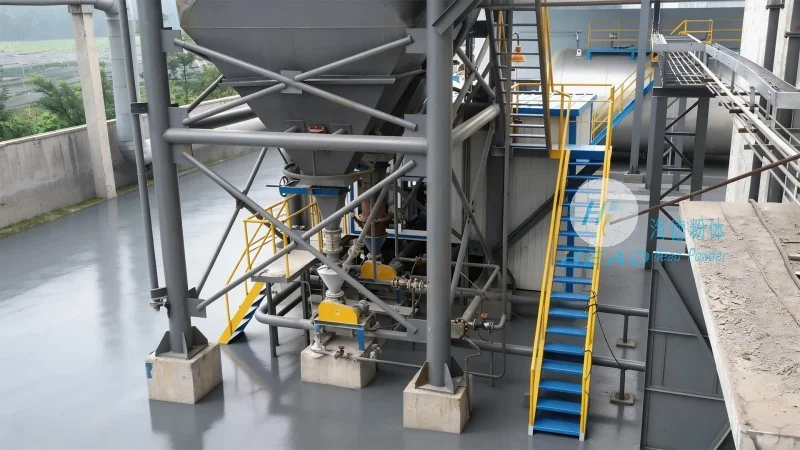
The core principle of air-driven pneumatic conveying involves using compressed air or vacuum to transport solid particles, like ABS granules, through a pipeline. There are two primary modes: positive pressure and negative pressure systems. In positive pressure systems, compressed air is introduced at the material feed point, creating a pressure differential that propels the granules forward. The air flow entrains the particles, forming a dense phase or dilute phase flow, depending on the system design and operating parameters. For ABS granules, which are typically lightweight and have a relatively low bulk density, positive pressure systems are often preferred as they can handle larger particle sizes and provide consistent flow rates. Negative pressure systems, on the other hand, use vacuum at the discharge end to draw material from the source. This method is suitable for applications where dust control is critical or when material needs to be transported from multiple points to a central collection point. The choice between positive and negative pressure depends on factors such as the distance of transport, the number of transfer points, and the need for dust containment. The air velocity and pressure are carefully controlled to ensure that the ABS granules are conveyed without degradation or breakage, which is essential for maintaining the material's mechanical properties and surface finish.
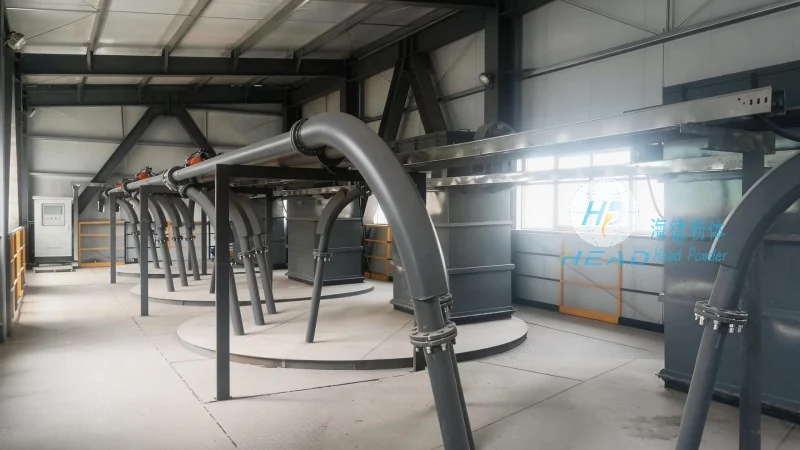
The application scenarios for air-driven pneumatic conveying equipment in ABS granular material handling vary across different industries, each with unique requirements that influence system design and performance. In the plastic manufacturing sector, for example, ABS granules are commonly used in injection molding, extrusion, and 3D printing applications. The conveying equipment must be capable of handling high volumes of material while maintaining low temperature to prevent premature polymerization or degradation. Systems often integrate with upstream processes, such as drying and mixing, to ensure the ABS granules are in optimal condition before transport. In the automotive industry, where ABS is used for interior and exterior components, the equipment must meet stringent quality standards, including low contamination levels and consistent particle size distribution. This is critical to avoid defects in the final molded parts. The pharmaceutical and medical device industries also utilize ABS in certain applications, requiring conveying systems that comply with regulatory standards for cleanliness and material integrity. These systems may incorporate additional features, such as HEPA filters or sterile air handling, to prevent contamination. In industrial settings, the equipment may need to handle abrasive or corrosive environments, necessitating materials like stainless steel for the pipeline and components. The flexibility of pneumatic conveying systems allows them to adapt to various production layouts, including linear, branched, or looped configurations, enabling efficient material movement between storage silos, processing lines, and packaging stations. The ability to transport ABS granules in a closed system also minimizes dust exposure, improving workplace safety and environmental compliance. Additionally, the energy efficiency of modern air-driven systems, with optimized air flow and pressure control, reduces operational costs while maintaining high throughput. These characteristics make air-driven pneumatic conveying a preferred choice for industries seeking reliable, hygienic, and cost-effective material handling solutions for ABS granular materials.
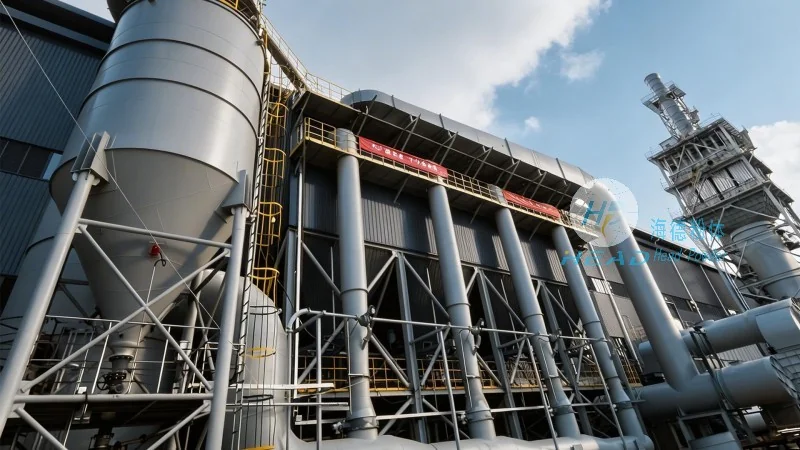
Shandong HeadPowder Engineering Co., Ltd., operating under the brand name HeadPowder, specializes in the design, manufacturing, and supply of advanced air-driven pneumatic conveying equipment tailored for granular material handling. With a focus on innovation and customer-centric solutions, HeadPowder has established itself as a leading provider in the industry, serving clients across various sectors including plastics, automotive, pharmaceuticals, and general manufacturing. The company's expertise lies in developing customized systems that meet specific operational requirements, ensuring optimal performance and durability. HeadPowder's equipment is engineered to handle a wide range of materials, including ABS granules, with precision and efficiency. The company adheres to international quality standards and employs rigorous testing protocols to guarantee the reliability and safety of its products. HeadPowder's commitment to technological advancement and customer support has earned it a reputation for delivering high-quality solutions that enhance production processes and reduce operational costs. By leveraging years of experience and continuous research, HeadPowder continues to provide cutting-edge pneumatic conveying systems that meet the evolving needs of modern industries.

 Shandong Headpowder Engineering Co., Ltd.
 156-6277-7102(Manager Zhang)
  0531-83386006
  Zhangqiu District, Jinan City, Shandong Province, China
telephone
WeChatconsult
top