With more than 10‑year industry experience, Shandong Headpowder delivers full‑service pneumatic‑conveying systems and blowers, undertaking nationwide turn‑key powder‑handling projects.
HeadPowder, a leading engineering company based in Shandong, China, specializes in the design and manufacturing of advanced pneumatic conveying systems tailored for bulk material handling. This article delves into the fundamental principles of paddy grain pneumatic conveying equipment and highlights its key working scene characteristics, providing a comprehensive understanding of this technology's application in agricultural processing.
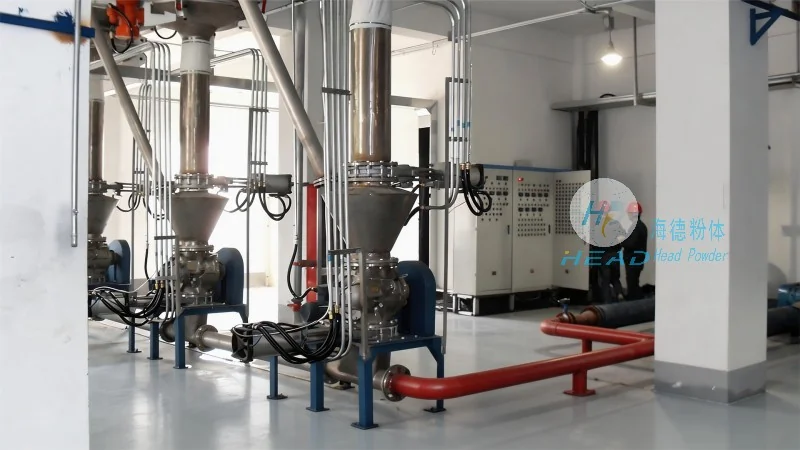
Paddy grain pneumatic conveying equipment is a critical component in modern agricultural processing facilities, enabling efficient and safe transportation of paddy grains from storage areas to processing units or for storage. The system typically consists of a blower, a hopper, a conveying pipeline, and a receiver, working in tandem to move bulk materials through an air stream. This technology offers significant advantages over traditional mechanical conveying methods, such as reduced labor costs, minimized material degradation, and enhanced safety in handling potentially dusty or allergenic products like paddy grains.
The core principle of paddy grain pneumatic conveying involves creating a pressure differential within the conveying system. A blower generates a high-pressure air flow that draws paddy grains from the hopper into the pipeline. The air stream carries the grains through the pipeline to the receiver, where the air is separated from the material and either filtered or vented. The equipment operates on either positive pressure or negative pressure (or a combination of both), depending on the specific application and system design. The design of the hopper and pipeline is crucial for preventing material buildup and ensuring consistent flow, which is essential for maintaining system efficiency and preventing blockages.
The working scene characteristics of paddy grain pneumatic conveying equipment are tailored to meet the unique demands of agricultural processing environments. These characteristics include:
The equipment is designed to handle large volumes of paddy grains, often operating continuously to support the high throughput requirements of modern processing plants. The positive pressure system, in particular, allows for high-capacity conveying over long distances, making it suitable for large-scale operations where efficiency and productivity are paramount.
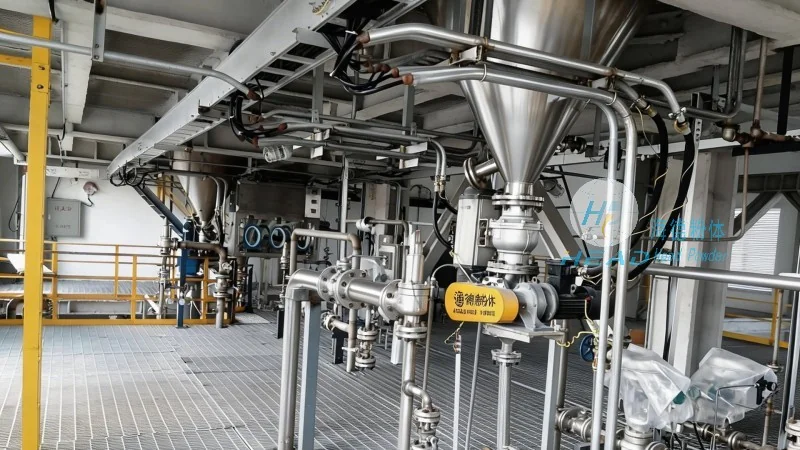
Paddy grains are prone to generating dust, which can pose health risks and environmental hazards. The pneumatic conveying system incorporates dust control measures, such as sealed hoppers and efficient filtration systems, to minimize dust emissions. This not only protects the health of workers but also ensures compliance with environmental regulations, making the system suitable for operations in both indoor and outdoor settings.
The system is adaptable to various paddy grain types and processing stages, from raw paddy to milled rice. It can handle different grain sizes and moisture contents, with adjustable air flow rates and pipeline configurations to optimize conveying performance. This flexibility allows the equipment to be integrated into existing processing lines or used as a standalone solution for specific tasks, such as transferring paddy from storage silos to processing machinery.
Pneumatic conveying systems are known for their compact design and ability to navigate complex layouts. Unlike traditional belt or screw conveyors, which require extensive horizontal and vertical space, pneumatic systems can use vertical or inclined pipelines to save floor space. This makes them ideal for facilities with limited space or where the layout of processing equipment is constrained, allowing for flexible installation and integration into existing plant structures.
The working scene characteristics of paddy grain pneumatic conveying equipment make it suitable for a wide range of applications in the agricultural processing industry. These include:
In large-scale paddy storage facilities, the equipment is used to transfer grains from storage silos to processing units or for redistribution within the storage area. The high-capacity and continuous operation of the system ensure that large volumes of paddy can be moved efficiently, reducing the time required for material handling and minimizing the risk of spoilage due to prolonged exposure.
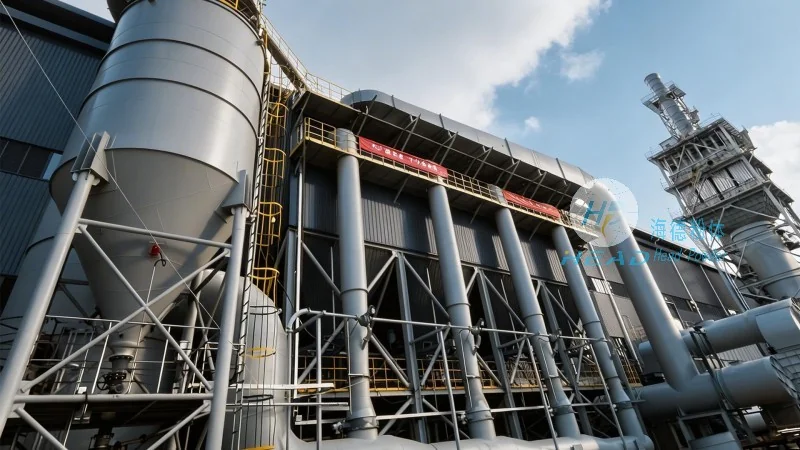
Before processing, paddy grains often require cleaning to remove impurities such as stones, straw, and chaff. The pneumatic conveying system can be integrated with cleaning equipment, allowing for the efficient transfer of cleaned grains to the next stage of processing. The sealed system prevents contamination and ensures that the cleaned grains remain free from dust or debris, maintaining product quality.
During the milling process, paddy grains are conveyed from the cleaning stage to the milling machinery. The equipment's ability to handle high volumes and maintain consistent flow is critical for ensuring a steady supply of raw material to the mill. The positive pressure system also helps to maintain the moisture content of the grains, which is essential for optimal milling performance and product quality.
After processing, the finished rice products may need to be transferred to storage silos or distribution centers. The pneumatic conveying system provides a safe and efficient method for moving the finished product, with dust control measures ensuring that the product remains clean and free from contamination. This is particularly important for premium rice products, where quality and safety are key selling points.
HeadPowder's paddy grain pneumatic conveying equipment exemplifies the advanced engineering solutions available for bulk material handling in the agricultural sector. By understanding the working principles and scene characteristics of this technology, processing facilities can optimize their operations, improve efficiency, and ensure the quality and safety of their products. The combination of high capacity, dust control, and flexibility makes this equipment a valuable asset for any paddy grain processing operation, supporting the industry's needs for efficient and sustainable production.

 Shandong Headpowder Engineering Co., Ltd.
 156-6277-7102(Manager Zhang)
  0531-83386006
  Zhangqiu District, Jinan City, Shandong Province, China
telephone
WeChatconsult
top