With more than 10‑year industry experience, Shandong Headpowder delivers full‑service pneumatic‑conveying systems and blowers, undertaking nationwide turn‑key powder‑handling projects.
HeadPowder, a prominent engineering enterprise headquartered in Shandong, China, specializes in the development and deployment of advanced pneumatic conveying systems for diverse industrial sectors. This article provides an in-depth exploration of the fundamental principles governing a pearl salt granular material pneumatic conveying system, alongside an analysis of its key operational scenarios and practical application characteristics.
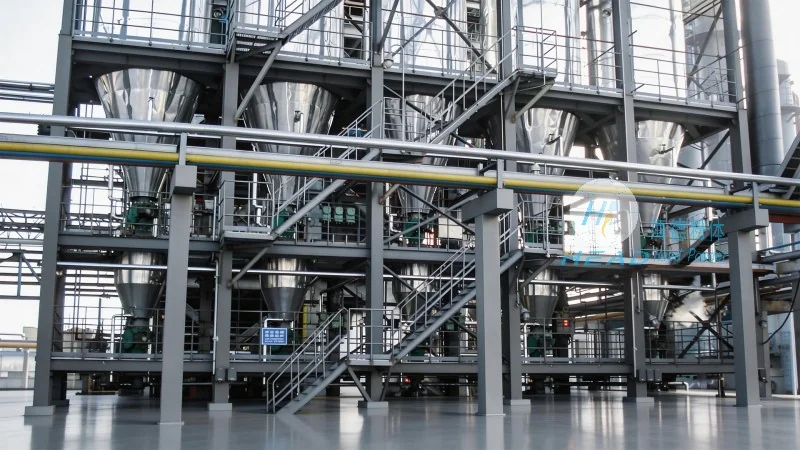
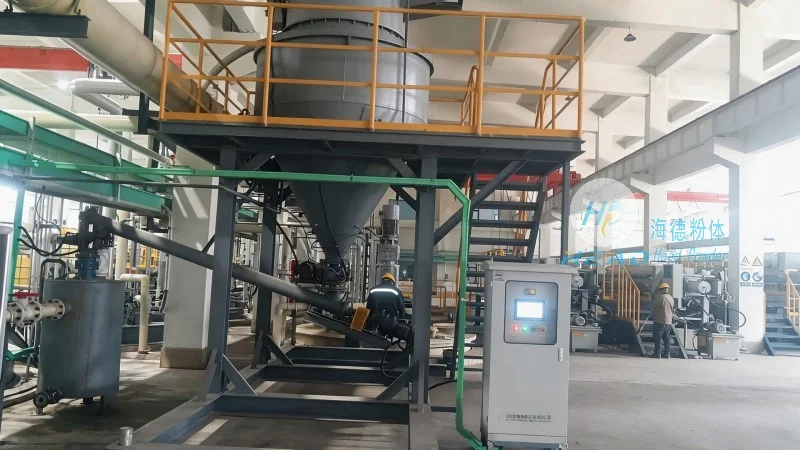
The pneumatic conveying system for pearl salt granules operates on the principle of transporting bulk materials through a sealed pipeline using a compressed air or gas stream. This method differs significantly from traditional mechanical conveying techniques, which rely on mechanical forces like belts or screws. The system's operation begins with the pearl salt granules being stored in a hopper. From there, a rotary valve controls the discharge of the material into the pipeline. Compressed air is then introduced into the pipeline, creating a flow that lifts and propels the granules through the system. The velocity of the air and the characteristics of the granules, such as particle size and density, are critical factors in determining the system's efficiency. The design of the pipeline, including its diameter and length, must be optimized to maintain the desired flow rate and pressure. The system's ability to handle fine to medium-sized granular materials like pearl salt makes it an ideal solution for industries requiring dust-free and continuous material transfer. The enclosed nature of the system also ensures that the material remains free from external contaminants, enhancing product quality and safety.
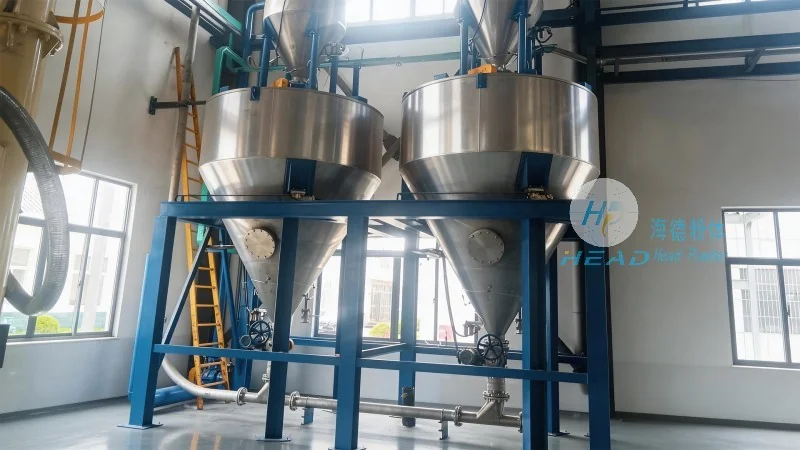
The pearl salt granular material pneumatic conveying system is widely utilized across various industrial applications due to its versatility and efficiency. A primary scenario is in the food processing industry, where maintaining product purity and adhering to stringent hygiene standards is essential. The system's enclosed and sealed design prevents contamination from external sources, making it suitable for food-grade applications. Another common application is in chemical manufacturing, where the system can handle a range of granular chemicals, including those with varying moisture content or particle sizes. The system's adaptability to different pressure conditions allows it to operate effectively in low to high-pressure environments, catering to diverse production requirements. Additionally, the system is frequently employed in pharmaceutical and cosmetic industries, where the strictest safety and regulatory standards are mandatory. The minimal dust emission and enclosed operation of the system reduce the risk of cross-contamination, ensuring compliance with industry regulations. In industrial settings, the system's ability to integrate with existing production lines enhances overall operational efficiency, reducing downtime and improving productivity.
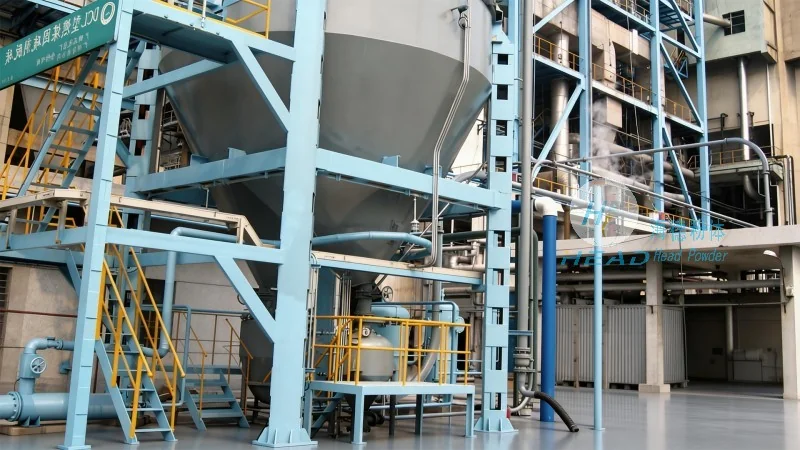
Implementing a pneumatic conveying system for pearl salt granules offers several significant advantages over conventional methods. The primary benefit is the elimination of manual material handling, which reduces labor costs and minimizes the risk of workplace injuries. The system's continuous operation, without the need for frequent maintenance or adjustments, enhances overall productivity. Additionally, the enclosed design reduces dust emissions, improving workplace safety and environmental compliance. However, the successful implementation of such a system requires careful consideration of several technical factors. The selection of the appropriate air velocity is crucial to prevent material degradation or blockages in the pipeline. The pipeline diameter and length must be optimized to maintain the desired flow rate and pressure. The material's properties, including particle size distribution, moisture content, and bulk density, also play a critical role in determining the system's performance. Proper system sizing and design, based on these factors, are essential to ensure efficient and reliable operation. HeadPowder, with its extensive expertise in engineering and material handling, provides tailored solutions that address the specific needs of each application, ensuring optimal performance and longevity of the pneumatic conveying system. The company's commitment to quality and innovation ensures that clients receive systems that are not only efficient but also compliant with industry standards and regulations.

 Shandong Headpowder Engineering Co., Ltd.
 156-6277-7102(Manager Zhang)
  0531-83386006
  Zhangqiu District, Jinan City, Shandong Province, China
telephone
WeChatconsult
top