With more than 10‑year industry experience, Shandong Headpowder delivers full‑service pneumatic‑conveying systems and blowers, undertaking nationwide turn‑key powder‑handling projects.
For industries dealing with puff plastic materials, efficient material handling is crucial to maintaining production efficiency and safety. Pneumatic conveying systems offer a versatile solution that leverages air pressure to transport these lightweight, often porous materials from one location to another. This technology is particularly advantageous for materials that are difficult to handle with traditional mechanical methods, such as those with irregular shapes or low bulk density.
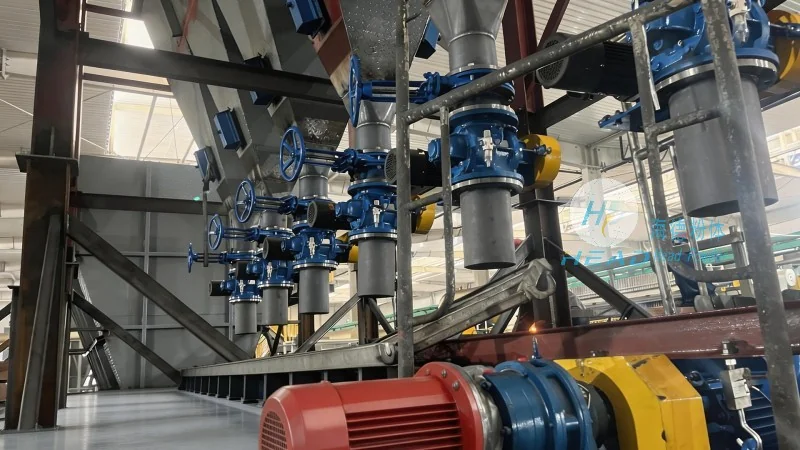
The core principle of pneumatic conveying involves using compressed air to create a flow that propels the material through a pipeline. In a typical system, the puff plastic material is introduced into a hopper or feeder, where it is then drawn into a pipeline by the air flow. The air velocity is carefully controlled to ensure the material is fully entrained without causing excessive wear on the system components. This method eliminates the need for mechanical components like belts or buckets, reducing maintenance and operational costs while improving safety by minimizing direct human contact with the material.
The effectiveness of a pneumatic conveying system for puff plastic materials is heavily influenced by the specific working environment and application requirements. Several key characteristics define successful implementations:
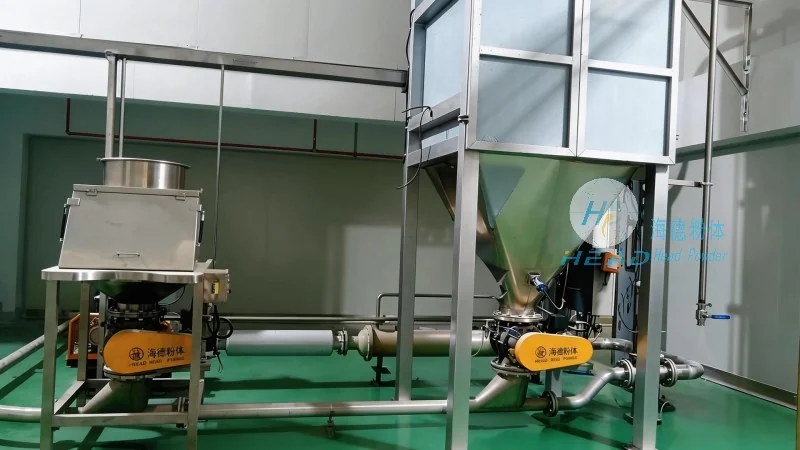
Shandong HeadPowder Engineering Co., Ltd. specializes in designing and manufacturing customized pneumatic conveying systems tailored to the unique needs of puff plastic applications. With years of experience in the industry, HeadPowder has developed a deep understanding of the challenges associated with handling lightweight, porous materials and has refined its systems to deliver optimal performance and reliability.
Our engineers work closely with clients to assess their specific material characteristics, production volumes, and operational requirements. This collaborative approach ensures that the final system is optimized for efficiency, durability, and safety. By leveraging advanced design software and rigorous testing protocols, HeadPowder ensures that each system meets or exceeds industry standards for performance and longevity.
HeadPowder's pneumatic conveying systems have been successfully implemented in various working scenarios across different industries. For example, in a plastic molding facility, the system efficiently transports expanded polystyrene (EPS) from storage silos to molding machines, reducing material handling time and improving overall production throughput. In a packaging plant, the system handles polyethylene foam used for cushioning, ensuring consistent and reliable delivery to packaging lines.
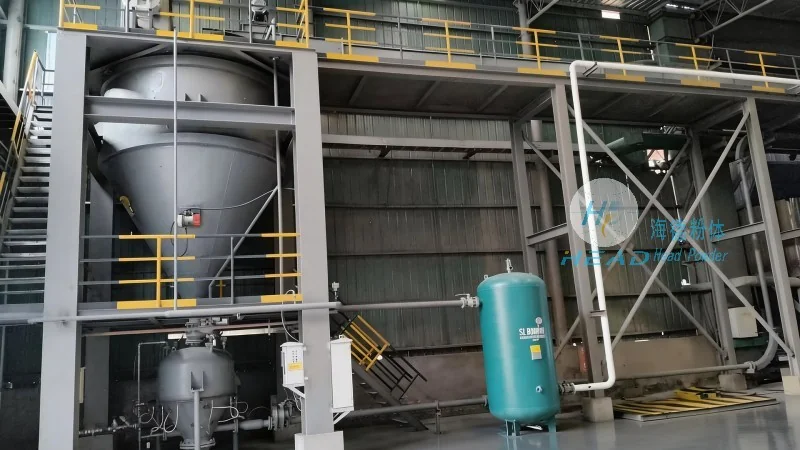
In another application, a recycling facility uses a pneumatic conveying system to transport foam waste from collection bins to processing equipment. The system's ability to handle large volumes of lightweight material with minimal energy consumption makes it an ideal solution for waste management operations.
Pneumatic conveying systems represent a sophisticated and effective solution for handling puff plastic materials in diverse industrial settings. By understanding the fundamental principles and key working scene characteristics, companies can select or design systems that maximize efficiency, safety, and cost-effectiveness. With expertise from companies like Shandong HeadPowder Engineering Co., Ltd., industries can leverage this technology to improve their material handling processes and achieve greater operational success.

 Shandong Headpowder Engineering Co., Ltd.
 156-6277-7102(Manager Zhang)
  0531-83386006
  Zhangqiu District, Jinan City, Shandong Province, China
telephone
WeChatconsult
top