With more than 10‑year industry experience, Shandong Headpowder delivers full‑service pneumatic‑conveying systems and blowers, undertaking nationwide turn‑key powder‑handling projects.
HeadPowder, a leading engineering company based in Shandong, China, specializes in providing advanced solutions for material handling, particularly in the field of pneumatic conveying for casting gray materials. This article delves into the fundamental principles of pneumatic conveying systems and highlights the key characteristics of their working environments, offering insights into how these technologies optimize material transport in industrial settings.
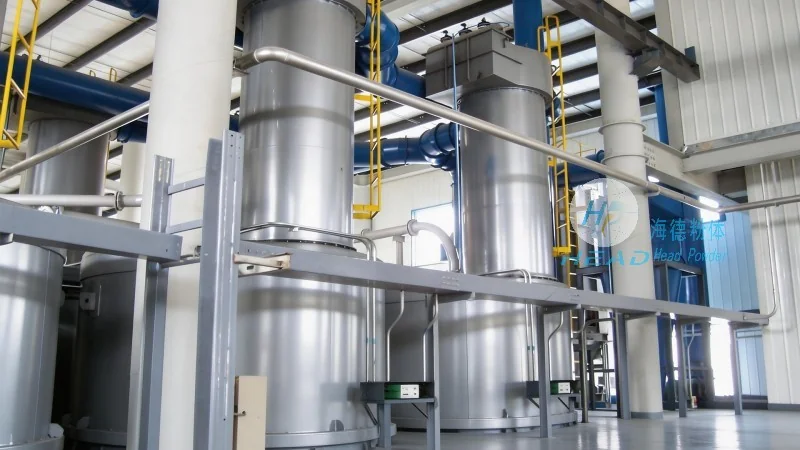
Pneumatic conveying is a method of transporting bulk materials through a pipeline using a gas stream, typically air. In the context of casting gray materials—such as fly ash, slag, or other byproducts from foundry processes—this technology offers a highly efficient and flexible solution for moving materials from one location to another. The system operates by creating a pressure differential within the pipeline, either by blowing air (positive pressure) or by creating a vacuum (negative pressure) to draw materials into the system. This approach eliminates the need for mechanical components like belts or buckets, reducing maintenance and operational costs while improving safety by minimizing direct human contact with the material.
Casting gray materials often exhibit unique properties that influence the choice of conveying method. These materials may be fine, dusty, or have a high moisture content, which can lead to caking or agglomeration if not handled properly. The abrasive nature of some gray materials also poses challenges to equipment longevity. Understanding these characteristics is crucial for selecting the appropriate pneumatic conveying system design, such as the type of air flow (e.g., dilute-phase or dense-phase), the pipeline configuration, and the necessary filtration or separation equipment to ensure efficient and reliable transport.
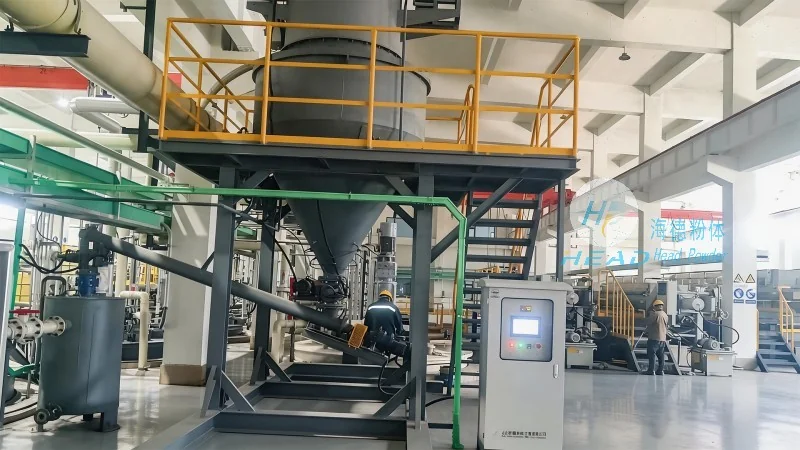
The working environments for pneumatic conveying systems in casting applications vary widely, each with distinct requirements that impact system performance. For instance, in foundries where gray materials are generated at the source (e.g., from casting machines or cooling processes), the system may need to handle high volumes of material in a continuous or semi-continuous manner. This often involves integrating the conveying system with existing production lines to ensure seamless material flow, minimizing downtime and maximizing productivity. Another scenario involves transporting gray materials over long distances or to different processing units, such as storage silos or treatment facilities. In these cases, the system design must account for pressure losses due to pipeline length and elevation changes, ensuring sufficient air pressure to maintain material transport without excessive energy consumption.
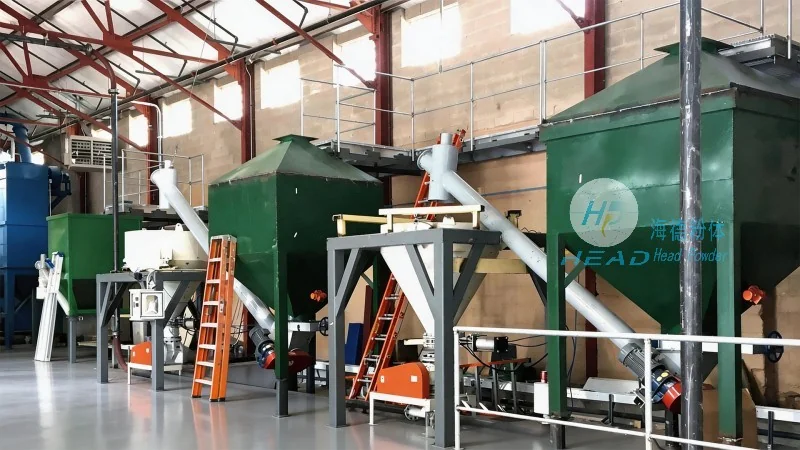
Effective pneumatic conveying for casting gray materials requires careful consideration of several operational factors. The choice between dilute-phase and dense-phase conveying depends on the material's properties and the desired transport efficiency. Dilute-phase systems, which use high air velocities to keep particles suspended, are suitable for fine materials and short-distance transport. Dense-phase systems, on the other hand, use lower air velocities and higher material concentrations, making them ideal for handling abrasive or sticky materials over longer distances. Additionally, the system must include components like feeders, cyclones, and filters to control material flow and prevent blockages or contamination. Proper maintenance, including regular cleaning of filters and checking for air leaks, is essential to maintain system efficiency and longevity.
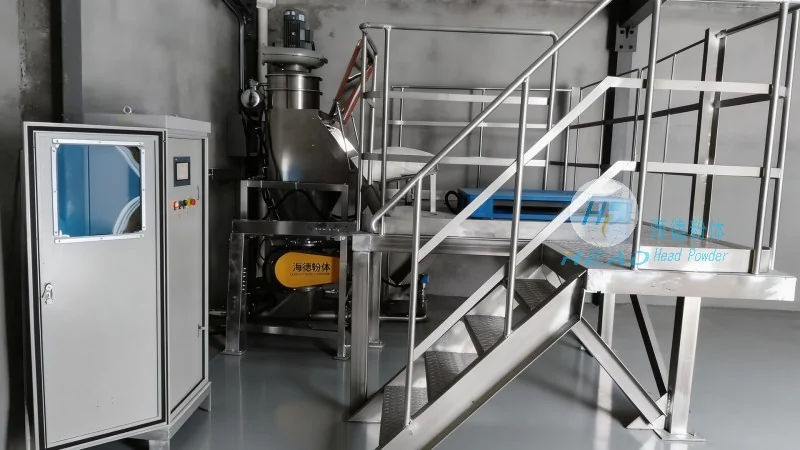
Implementing pneumatic conveying systems for casting gray materials offers numerous benefits. These include improved safety by reducing the need for manual handling of dusty materials, enhanced environmental control through enclosed systems that prevent dust emissions, and increased operational efficiency by automating material transport. The flexibility of pneumatic systems allows for easy integration with existing production processes, adapting to changes in material volume or processing requirements. Furthermore, the reduction in mechanical wear and tear compared to traditional conveying methods leads to lower maintenance costs and longer equipment lifespan. For companies like Shandong HeadPowder Engineering Co., Ltd., these advantages translate into competitive advantages in the foundry industry, enabling them to deliver high-quality, reliable solutions tailored to specific customer needs.
In conclusion, pneumatic conveying is a vital technology for handling casting gray materials, offering a combination of efficiency, flexibility, and safety that addresses the unique challenges of foundry operations. By understanding the fundamental principles of pneumatic conveying and the specific characteristics of casting gray materials, industrial facilities can optimize their material handling processes, reduce costs, and improve overall productivity. As a leading provider in this field, Shandong HeadPowder Engineering Co., Ltd. continues to innovate and provide tailored solutions that meet the evolving needs of the foundry industry, ensuring sustainable and efficient material transport in modern manufacturing environments.

 Shandong Headpowder Engineering Co., Ltd.
 156-6277-7102(Manager Zhang)
  0531-83386006
  Zhangqiu District, Jinan City, Shandong Province, China
telephone
WeChatconsult
top