

Principle and Application Characteristics of Gypsum Sand Powder Pneumatic Conveying Equipment
Shandong HeadPowder Engineering Co., Ltd., commonly known as headpowder, is a leading enterprise in the field of pneumatic conveying technology, specializing in the design, manufacturing, and supply of equipment for handling bulk powder materials. With a strong focus on innovation and precision engineering, the company has established itself as a trusted partner for industries that rely on efficient and reliable powder transport solutions. This article explores the fundamental principles of gypsum sand powder pneumatic conveying machines and highlights the key application characteristics that make them indispensable in modern industrial operations.
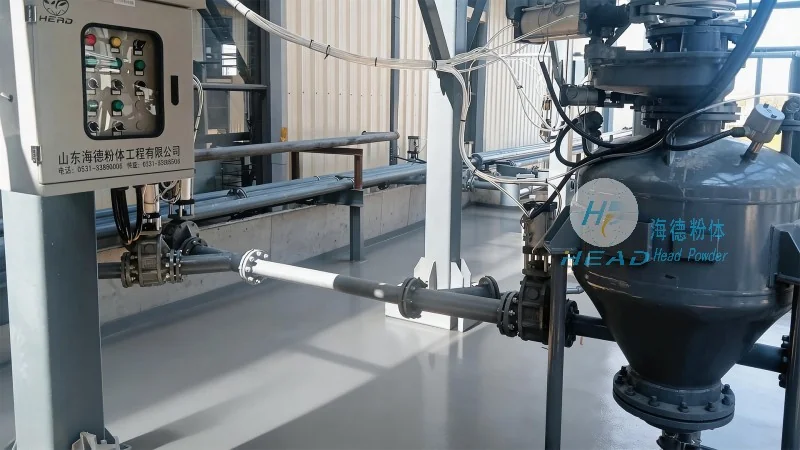
Introduction to Gypsum Sand Powder Pneumatic Conveying Equipment
Gypsum sand, a common byproduct in the production of gypsum products and construction materials, often requires specialized handling due to its fine particle size and potential for dust generation. The gypsum sand powder pneumatic conveying machine addresses these challenges by utilizing air as the primary medium to transport the material from one location to another. This technology offers a dust-free, efficient, and flexible solution compared to traditional methods like belt conveyors or bucket elevators, which may suffer from material degradation or operational inefficiencies.
The Working Principle of Pneumatic Conveying Systems
The core principle of pneumatic conveying for gypsum sand involves the use of compressed air to create a flow that propels the powder particles through a pipeline. There are two main types of pneumatic conveying systems: positive pressure and negative pressure. Positive pressure systems, also known as pressure conveying, operate by injecting air into the material stream at a higher pressure than the ambient environment, pushing the material through the pipeline. Negative pressure systems, or vacuum conveying, create a low-pressure zone that draws the material into the pipeline using suction. For gypsum sand, which is typically handled in bulk quantities, positive pressure systems are often preferred due to their ability to handle larger volumes and longer distances without significant pressure loss.
The system typically consists of several key components: a feeding device to introduce the gypsum sand into the pipeline, a conveying pipeline that transports the material, a separation unit to separate the powder from the air, and a control system to regulate the flow and pressure. The feeding device, such as a rotary valve or a screw feeder, ensures a consistent and controlled flow of material into the pipeline, preventing blockages and maintaining system efficiency. The conveying pipeline is usually made of stainless steel or other corrosion-resistant materials to withstand the abrasive nature of gypsum sand and to prevent material buildup. The separation unit, often a cyclone separator or a bag filter, captures the powder from the air stream and returns it to the process while releasing the clean air back into the environment. The control system monitors parameters such as pressure, flow rate, and temperature, ensuring optimal operation and preventing system failures.
Key Application Characteristics of Gypsum Sand Powder Pneumatic Conveying Machines
The application characteristics of gypsum sand powder pneumatic conveying machines are tailored to meet the specific demands of various industries. One of the most significant advantages is the ability to handle fine powders without causing agglomeration or degradation, which is critical for maintaining the quality of gypsum products. The system also offers flexibility in terms of layout, as the pipeline can be installed in a variety of configurations, including vertical, horizontal, or a combination of both, to accommodate different plant layouts and process requirements.
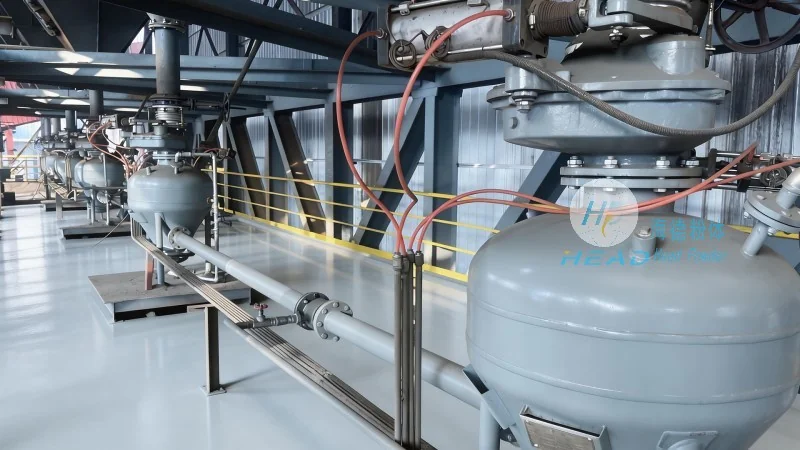
Another important characteristic is the environmental benefits. Unlike traditional methods that generate significant dust emissions, pneumatic conveying systems are enclosed, reducing the risk of dust contamination and improving workplace safety. This is particularly important in industries where dust is a health hazard or where environmental regulations are stringent. The enclosed system also helps in maintaining product purity, as the material is not exposed to external contaminants during transport.
Efficiency is another key characteristic. Pneumatic conveying systems can transport large volumes of gypsum sand over long distances with minimal energy consumption compared to other bulk material handling methods. The continuous flow of material reduces downtime and increases overall productivity, making it an attractive option for high-throughput operations. Additionally, the system is relatively simple to operate and maintain, with fewer moving parts compared to mechanical conveyors, which reduces maintenance costs and increases system reliability.
Industrial Applications and Use Cases
Gypsum sand powder pneumatic conveying machines are widely used in several industrial sectors, including the construction industry, where they are used to transport raw materials for gypsum board production. In the building materials sector, these machines are essential for moving gypsum sand from storage silos to production lines, ensuring a steady supply of raw material. The automotive and aerospace industries also utilize these systems for handling fine powders in coating and finishing processes, where precision and consistency are critical. Furthermore, in the chemical industry, pneumatic conveying is used to transport gypsum sand as a filler or additive in various chemical formulations, where the purity and uniformity of the material are paramount.
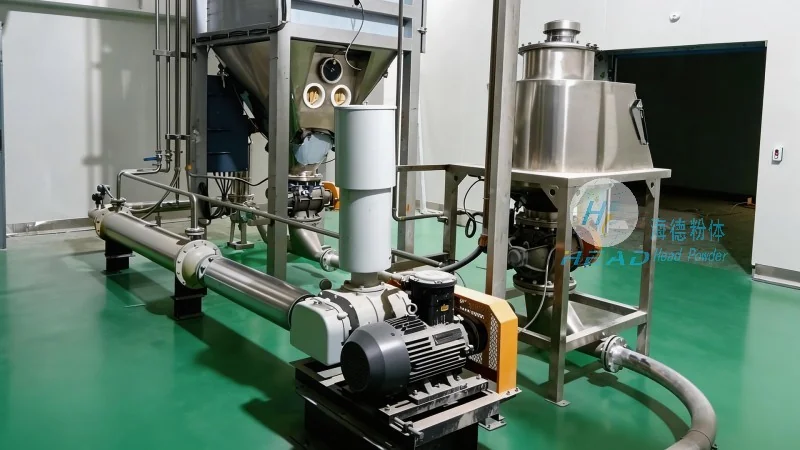
In the agricultural sector, some applications involve the use of gypsum sand as a soil amendment, and pneumatic conveying systems are used to distribute the material evenly across fields. This ensures that the soil receives the necessary nutrients and improves soil structure, leading to better crop yields. The versatility of the gypsum sand powder pneumatic conveying machine makes it suitable for a wide range of applications, from small-scale operations to large industrial plants.
Advantages and Considerations for Implementation
Implementing a gypsum sand powder pneumatic conveying system offers several advantages, including improved operational efficiency, reduced labor costs, and enhanced product quality. However, there are also considerations that need to be addressed during the planning and installation phase. The system's design must be tailored to the specific characteristics of the gypsum sand, such as particle size, moisture content, and bulk density, to ensure optimal performance. Additionally, the selection of the appropriate conveying method (positive or negative pressure) depends on factors like the distance to be covered, the volume of material to be transported, and the available space for the system.
Cost is another factor to consider. While the initial investment for a pneumatic conveying system may be higher than traditional conveyors, the long-term benefits, such as reduced maintenance and increased productivity, often outweigh the initial costs. The system's durability and low maintenance requirements make it a cost-effective solution in the long run. Furthermore, the environmental benefits, such as reduced dust emissions and improved workplace safety, can lead to additional cost savings through compliance with environmental regulations and reduced health-related expenses.
In conclusion, the gypsum sand powder pneumatic conveying machine is a highly effective and versatile solution for handling fine powder materials in various industrial applications. By understanding the fundamental principles of pneumatic conveying and the key application characteristics, industries can make informed decisions about implementing this technology to improve their operational efficiency and product quality. Shandong HeadPowder Engineering Co., Ltd. continues to lead in the development of advanced pneumatic conveying solutions, providing customized equipment that meets the specific needs of its clients and contributes to the advancement of industrial processes worldwide.