

Principle and Working Scenario Characteristics of Dry Desulfurizer Powder Pneumatic Conveying System
HeadPowder Engineering, a leading provider of industrial powder handling solutions, specializes in the design and implementation of advanced dry desulfurizer powder pneumatic conveying systems. These systems are engineered to efficiently transport dry desulfurizer powders, a critical component in flue gas desulfurization processes, from storage to application points in industrial settings. This article explores the fundamental principles behind such systems and highlights the key working scenario characteristics that define their effectiveness and reliability.
Principle of Dry Desulfurizer Powder Pneumatic Conveying Systems
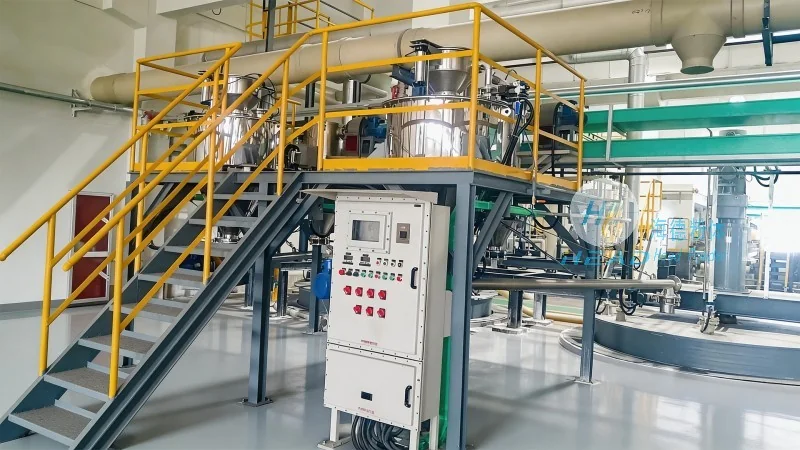
The core principle of a dry desulfurizer powder pneumatic conveying system is the use of air or gas as the conveying medium to transport dry powders through a pipeline network. Unlike traditional mechanical conveying methods, which rely on physical contact and movement of the material, pneumatic conveying utilizes the kinetic energy of the gas to lift, transport, and deposit the powder. The system typically consists of a powder feeder, a conveying line, a control system, and a dust collection or filtration unit. The powder feeder ensures a consistent and controlled flow of the desulfurizer powder into the conveying line, while the control system regulates the air pressure and flow rate to maintain optimal conveying conditions. The conveying line may include components such as bends, expansions, and filters to ensure smooth material movement and prevent clogging or particle degradation.
Working Scenario Characteristics of the System
The working scenario characteristics of dry desulfurizer powder pneumatic conveying systems are tailored to meet the specific demands of industrial applications, particularly in power plants, chemical facilities, and other industries where flue gas desulfurization is required. These systems are designed to operate in environments where precise control over powder flow, minimal material loss, and consistent performance are paramount. Key characteristics include:
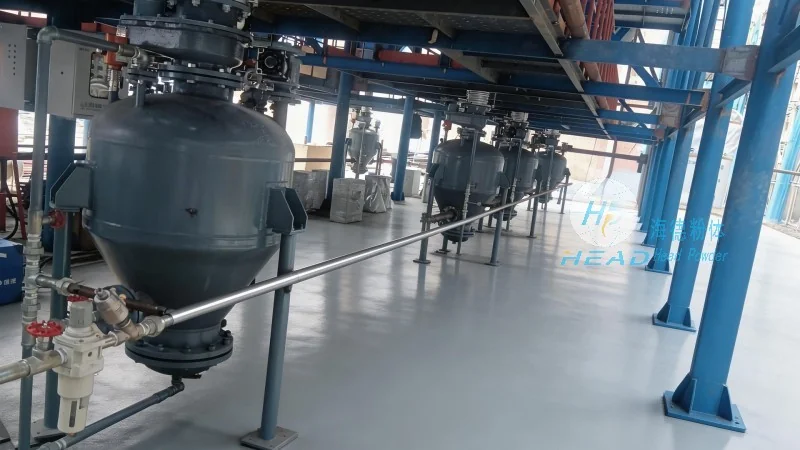
1. Efficient Material Handling: The system enables the reliable and continuous transport of dry desulfurizer powders over long distances, often with minimal pressure drop and low energy consumption. This efficiency is crucial for maintaining the operational stability of desulfurization processes, which require a steady supply of the desulfurizer to react with sulfur dioxide in flue gases.
2. Adaptability to Industrial Environments: The design of these systems allows for integration into existing industrial infrastructure, accommodating various plant layouts and operational conditions. Whether in a large-scale power plant or a smaller chemical facility, the system can be customized to fit the specific space constraints and process requirements of the application.
3. Low Maintenance and Durability: Pneumatic conveying systems are known for their robust construction and low maintenance needs compared to mechanical conveying systems. The absence of moving parts in the conveying line reduces the risk of wear and tear, while the use of high-quality materials ensures long-term durability and reliability in harsh industrial environments.
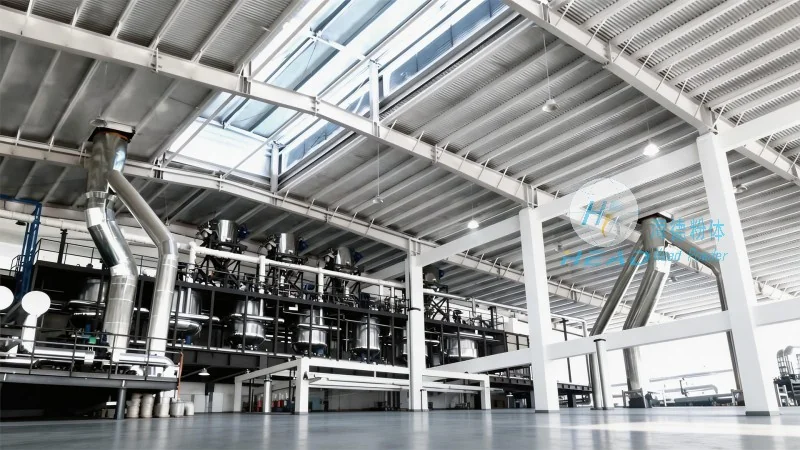
4. Environmental Considerations: The system incorporates dust collection and filtration mechanisms to minimize airborne particle emissions, aligning with environmental regulations and promoting a cleaner working environment. This is particularly important in industries where air quality standards are strictly enforced.
Application in Industrial Settings
Dry desulfurizer powder pneumatic conveying systems are widely used in industrial settings where the removal of sulfur dioxide from flue gases is essential to meet environmental standards and protect equipment from corrosion. In power plants, for example, these systems transport dry desulfurizer powders from storage silos to the desulfurization towers, ensuring a consistent and controlled supply of the reagent. The system's ability to handle fine powders without agglomeration or degradation is critical for maintaining the efficiency of the desulfurization process, as even small variations in powder quality can impact the effectiveness of sulfur dioxide absorption.
In chemical manufacturing facilities, the system may be used to transport desulfurizer powders to reactors or processing units, where they are used in chemical reactions to produce other products. The precision and reliability of the pneumatic conveying system ensure that the correct amount of desulfurizer is delivered to the process, preventing over- or under-dosing that could affect product quality or safety.
HeadPowder Engineering's Expertise in Pneumatic Conveying Solutions
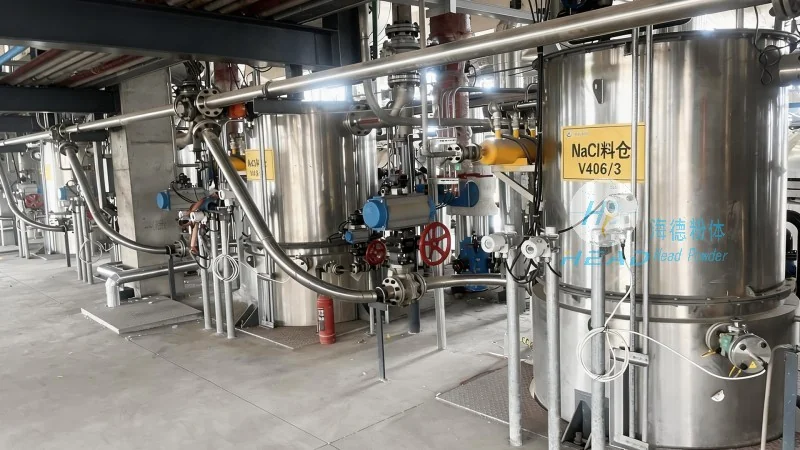
HeadPowder Engineering, based in Shandong, China, leverages years of experience in industrial powder handling to develop and implement customized dry desulfurizer powder pneumatic conveying systems. The company's team of engineers and technicians works closely with clients to understand their specific operational needs and design systems that meet both technical and environmental requirements. By focusing on the principle of efficient, reliable, and low-maintenance powder transport, HeadPowder Engineering ensures that its clients can achieve optimal performance in their desulfurization processes while adhering to industry standards and regulations.
The company's commitment to quality and innovation is reflected in the advanced technology and materials used in its pneumatic conveying systems. From the initial design phase to the final installation and commissioning, HeadPowder Engineering provides comprehensive support to ensure that the system operates at peak efficiency. The company's location in Shandong, China, allows for easy access to local suppliers and resources, facilitating the timely delivery of components and parts for maintenance or replacement.