With more than 10‑year industry experience, Shandong Headpowder delivers full‑service pneumatic‑conveying systems and blowers, undertaking nationwide turn‑key powder‑handling projects.
Perlite powder pneumatic conveying is a critical process in material handling, especially for lightweight, fine-grained materials like perlite. This method utilizes air or gas to transport particles through a pipeline system, offering advantages in terms of hygiene, efficiency, and flexibility compared to traditional mechanical conveying. The core principle revolves around creating a flow of air that lifts and transports the perlite particles from the source to the destination. Key components of a typical pneumatic conveying system include a feeder, a conveying line, a separator, and a receiver. The feeder ensures a consistent flow of perlite into the system, while the conveying line transports the particles. The separator then separates the air from the material, and the receiver collects the perlite for further use.
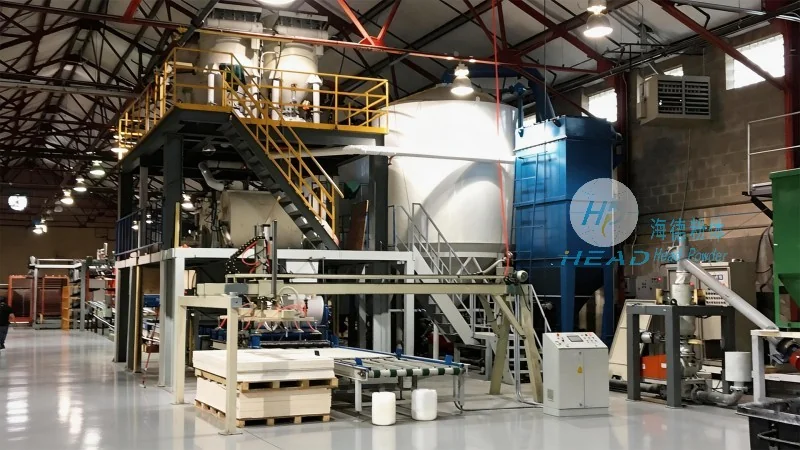
The fundamental principle of pneumatic conveying is based on the interaction between the air flow and the particles. In a positive pressure system, air is blown into the conveying line, creating a pressure higher than the ambient air, which propels the perlite particles forward. In a negative pressure system, air is drawn out of the line, creating a vacuum that pulls the particles. The velocity of the air must be sufficient to overcome the gravitational force and the frictional resistance of the particles. The size, density, and shape of the perlite particles influence the required air velocity and system design. For perlite, which is a lightweight, porous volcanic rock, the system often operates at moderate air velocities to prevent particle degradation and ensure efficient transport.
The application of perlite powder pneumatic conveying spans various industries, each with distinct characteristics that define the working scenes. In the construction industry, perlite is used as an insulating material in concrete and plaster, and the conveying system must handle large volumes of fine powder to meet production demands. The system needs to maintain a clean environment to avoid contamination of the material, which is crucial for building applications. In the chemical industry, perlite is used as a filler or filter aid, and the conveying process must be compatible with the chemical properties of the material, ensuring no reaction occurs with the air or system components. The agricultural sector utilizes perlite as a growing medium for plants, and the conveying system must be gentle to prevent damage to the particles, which could affect plant growth. Each industry's working scene requires tailored system configurations, such as different air velocities, line diameters, and separation technologies, to optimize performance and meet specific requirements.
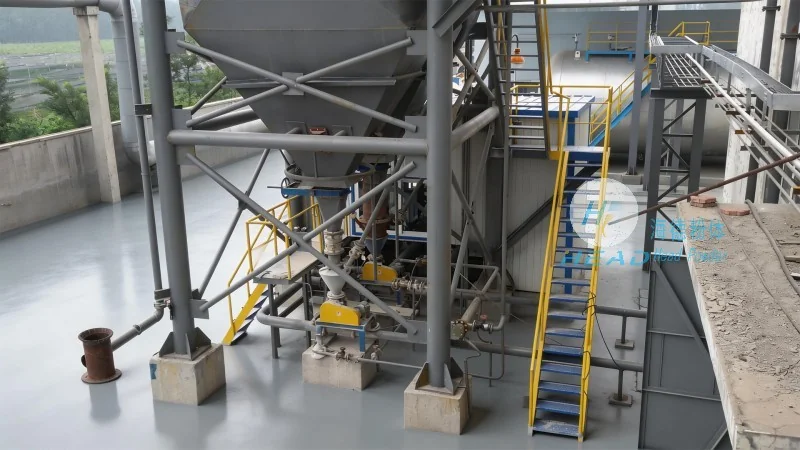
The design of a perlite powder pneumatic conveying system involves careful consideration of several factors to ensure reliable operation. The choice between positive and negative pressure systems depends on the distance and layout of the conveying line, as well as the volume of material to be transported. Positive pressure systems are often preferred for long-distance or high-volume applications due to their ability to maintain consistent pressure and prevent material backflow. Negative pressure systems are suitable for shorter distances or when the material is to be transported from multiple sources to a single destination. The conveying line material must be selected to resist corrosion and abrasion, as perlite particles can be abrasive over time. Common materials include stainless steel, aluminum, or plastic, depending on the application. The separator is a critical component, as it must effectively separate the air from the perlite to prevent dust emissions and ensure the material is collected efficiently. Cyclone separators are commonly used for this purpose, as they can handle high volumes of air and separate particles based on their size and density.
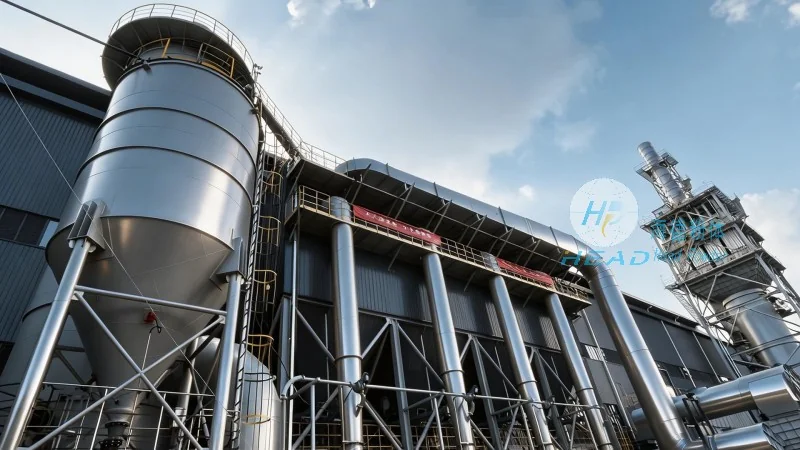
Perlite powder pneumatic conveying offers several advantages over traditional mechanical conveying methods. These include improved hygiene, as the material is contained within the system, reducing the risk of contamination and dust exposure. The system is also flexible, allowing for changes in the conveying route or destination without major modifications. Additionally, it can handle a wide range of particle sizes and densities, making it suitable for various applications. However, there are challenges associated with this method. One major challenge is the potential for particle degradation due to high air velocities or abrasive interactions with the system components. This can affect the quality of the perlite, especially if it is used in applications where particle integrity is critical. Another challenge is the energy consumption, as pneumatic conveying systems require significant power to operate, particularly for long-distance or high-volume transport. Maintenance is also a consideration, as components like the feeder and separator may require regular cleaning or replacement to ensure optimal performance.
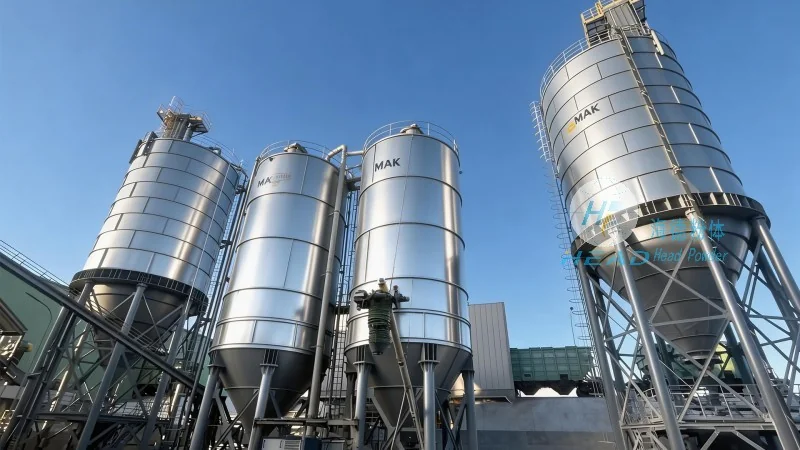
Real-world applications of perlite powder pneumatic conveying provide insights into its effectiveness in different working scenes. For example, a large construction company in China uses a positive pressure system to transport perlite from storage silos to mixing plants. The system has been operational for several years, with consistent performance and minimal downtime. The company reports that the pneumatic conveying system has improved efficiency by reducing the time required for material transport compared to traditional methods. In the chemical industry, a filtration plant utilizes a negative pressure system to convey perlite as a filter aid. The system has successfully handled the abrasive nature of the material, with the separator effectively removing particles from the air stream. The plant has noted a reduction in dust emissions and improved product quality due to the clean conveying process. These case studies highlight the adaptability and reliability of perlite powder pneumatic conveying in diverse industrial settings.
As technology advances, there are ongoing developments in perlite powder pneumatic conveying systems to enhance performance and address existing challenges. One area of innovation is the use of advanced materials for the conveying line, such as high-strength plastics or composite materials, which can reduce wear and improve durability. Another development is the integration of automation and control systems, allowing for real-time monitoring of the system's performance and adjustments to optimize efficiency. Additionally, research is being conducted on more energy-efficient designs, such as using variable speed drives to adjust air velocity based on the material flow, reducing energy consumption. These innovations aim to make perlite powder pneumatic conveying even more efficient, reliable, and cost-effective for various applications.

 Shandong Headpowder Engineering Co., Ltd.
 156-6277-7102(Manager Zhang)
  0531-83386006
  Zhangqiu District, Jinan City, Shandong Province, China
telephone
WeChatconsult
top