With more than 10‑year industry experience, Shandong Headpowder delivers full‑service pneumatic‑conveying systems and blowers, undertaking nationwide turn‑key powder‑handling projects.
HeadPowder, a leading provider in the field of powder handling technology, specializes in the design and implementation of pneumatic conveying systems for inorganic salt powders. This article explores the fundamental principles behind pneumatic conveying and highlights key application scenarios where such systems excel in material transport. The company, Shandong HeadPowder Engineering Co., Ltd., is headquartered in Shandong, China, and has established itself as a trusted partner for industries requiring efficient and reliable powder handling solutions.
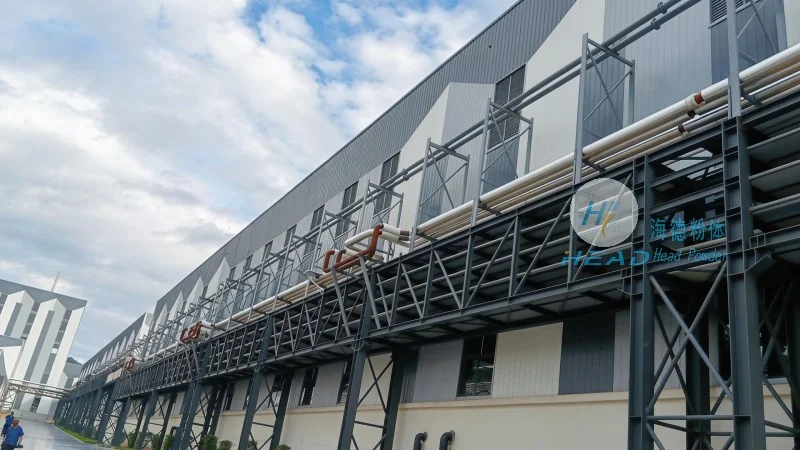
Pneumatic conveying is a method of transporting bulk materials, such as inorganic salt powders, through a pipeline using a gas stream, typically air or other gases. The process relies on the principle of creating a pressure differential to move the material. There are two primary types of pneumatic conveying systems: pressure and vacuum. Pressure systems operate by introducing compressed air into the material, while vacuum systems use a vacuum to draw the material into the pipeline. The choice between these systems depends on factors like material characteristics, distance, and system complexity. For inorganic salt powders, which often have varying particle sizes and flow properties, selecting the appropriate system is crucial for ensuring efficient and safe transport. The fundamental physics involves the interaction between the gas flow and the powder particles, where the gas velocity must be sufficient to overcome the gravitational and frictional forces acting on the particles. This ensures that the material remains suspended and moves smoothly through the pipeline.
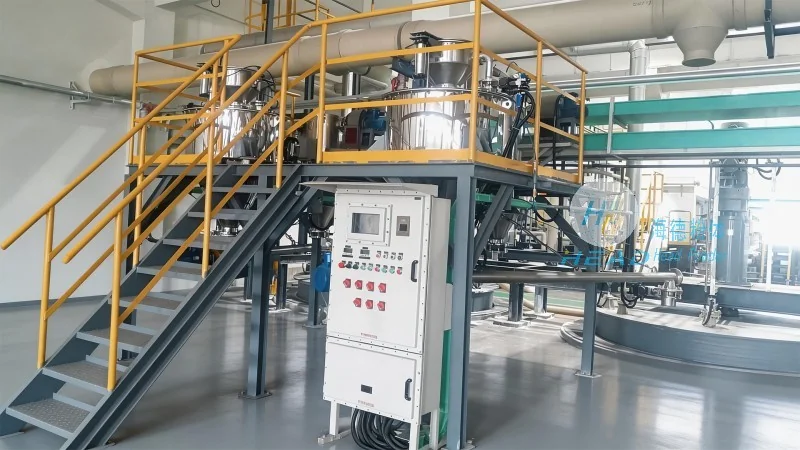
The application of pneumatic conveying for inorganic salt powders spans multiple industries, each with unique requirements that the technology addresses effectively. One prominent scenario is in the chemical industry, where inorganic salts like sodium chloride or calcium carbonate are used as raw materials in various production processes. Pneumatic conveying systems enable seamless integration of these materials into production lines, ensuring consistent feed rates and minimizing downtime. Another critical application is in the food and beverage sector, where salts are used as flavor enhancers or preservatives. Here, the hygienic design of the conveying system is paramount, as it must meet stringent food safety standards. The technology allows for the safe and sanitary transport of these powders from storage to processing equipment without contamination. In the pharmaceutical industry, the precision and control offered by pneumatic conveying are essential for handling active pharmaceutical ingredients (APIs) and excipients. The systems can be configured to maintain precise temperature and humidity conditions, which are critical for preserving the integrity of the materials. Additionally, in the mining and mineral processing industries, inorganic salts are often used as reagents or fluxes. Pneumatic conveying facilitates the efficient transport of these materials from processing plants to storage or further processing stages, optimizing operational efficiency.
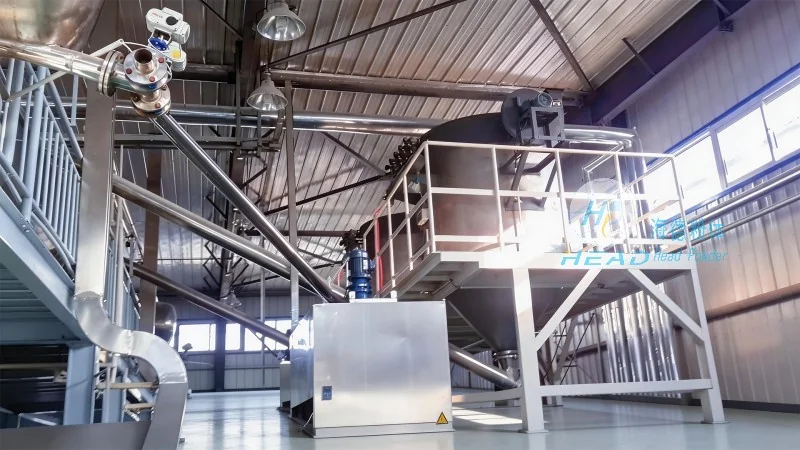
Implementing pneumatic conveying systems for inorganic salt powders offers several advantages over traditional methods like belt conveyors or bucket elevators. One of the most significant benefits is the ability to handle materials in a closed system, which reduces dust emissions and improves workplace safety. This is particularly important for inorganic salts, which can be irritants or cause respiratory issues if inhaled. The closed system also prevents contamination from external sources, ensuring the purity of the material. Another advantage is the flexibility in system design. Pneumatic conveying systems can be configured to handle varying material flow rates and distances, making them suitable for both small-scale and large-scale operations. The technology also allows for the integration of additional processing steps, such as mixing or drying, directly within the conveying pipeline. This streamlines the overall production process and reduces the need for multiple handling steps. Furthermore, the energy efficiency of modern pneumatic conveying systems has improved significantly, with some designs achieving lower operational costs compared to traditional methods. The use of advanced control systems enables precise regulation of the gas flow and pressure, optimizing energy consumption and extending the lifespan of the equipment.

Shandong HeadPowder Engineering Co., Ltd. specializes in tailoring pneumatic conveying systems to meet the specific needs of clients handling inorganic salt powders. The company’s approach involves a comprehensive analysis of the material properties, operational requirements, and site conditions to design a system that maximizes efficiency and reliability. For example, when working with different types of inorganic salts, such as fine powders versus coarse granules, the system design may vary. Fine powders require higher gas velocities to maintain suspension, while coarse granules can be conveyed at lower velocities. HeadPowder engineers consider these factors to ensure the system operates within optimal parameters. The company also integrates advanced monitoring and control technologies into its systems, allowing for real-time tracking of material flow, pressure, and temperature. This enables proactive maintenance and troubleshooting, reducing downtime and improving overall system performance. Additionally, the company provides after-sales support and maintenance services, ensuring that the systems continue to operate at peak efficiency over their lifespan. By leveraging their expertise in powder handling technology, HeadPowder helps clients optimize their material transport processes, enhance productivity, and reduce operational costs.

 Shandong Headpowder Engineering Co., Ltd.
 156-6277-7102(Manager Zhang)
  0531-83386006
  Zhangqiu District, Jinan City, Shandong Province, China
telephone
WeChatconsult
top