With more than 10‑year industry experience, Shandong Headpowder delivers full‑service pneumatic‑conveying systems and blowers, undertaking nationwide turn‑key powder‑handling projects.
Understanding the principles and operational characteristics of sodium nitrate powder pneumatic conveying is crucial for industries that handle this chemical compound. As a key component in various industrial applications, such as fertilizer production and chemical processing, efficient and reliable material handling is essential. This article explores the fundamental principles behind pneumatic conveying for sodium nitrate powders and highlights the distinct features of its application scenarios, with a focus on solutions provided by Shandong HeadPowder Engineering Co., Ltd. (headpowder), a leading provider in bulk material handling systems.
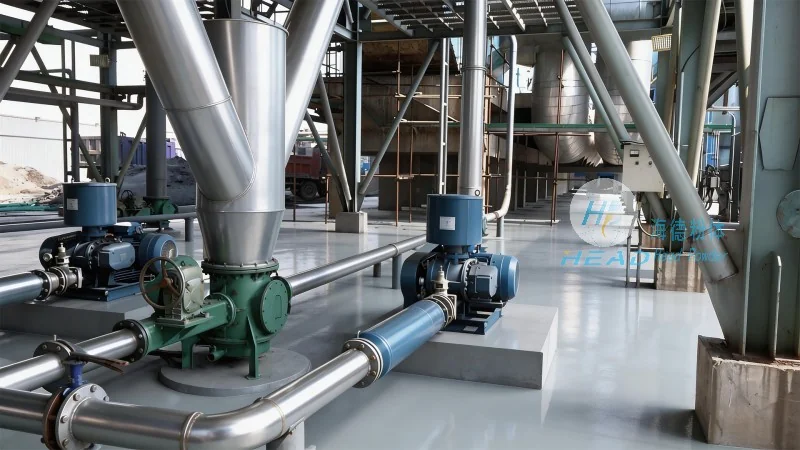
Pneumatic conveying is a method of transporting bulk materials like sodium nitrate through a pipeline using a gas stream, typically air. The process can be categorized into two main types: aspiration (or suction) conveying and pressure (or positive) conveying. In aspiration systems, a vacuum is created at the material inlet to draw the powder into the pipeline. Conversely, pressure systems use compressed air to push the material through the line. For sodium nitrate, the choice of system depends on factors like the distance to be covered, the required flow rate, and the material's physical properties.
The key components of a pneumatic conveying system for sodium nitrate include a material hopper, a feeder (often a rotary valve or a screw feeder), a conveying line, a separator (to separate the powder from the air), and a dust collector. The feeder ensures a consistent flow of powder into the system, while the conveying line transports the material to the destination. The separator and dust collector are critical for maintaining air quality and preventing dust accumulation, which is important for both operational efficiency and safety, especially when handling a chemical like sodium nitrate.
Sodium nitrate is a white crystalline solid with a relatively fine particle size, typically ranging from 100 to 500 microns. Its flowability and density are important considerations for pneumatic conveying. The material's angle of repose and compressibility affect how easily it can be fed and conveyed. For example, if the powder is too cohesive, it may require a more robust feeder or pre-treatment to ensure smooth flow. Additionally, the hygroscopic nature of sodium nitrate means it can absorb moisture from the air, which may affect its flow characteristics over time. Proper system design, including the use of drying or moisture control measures, is essential to maintain consistent conveying performance.
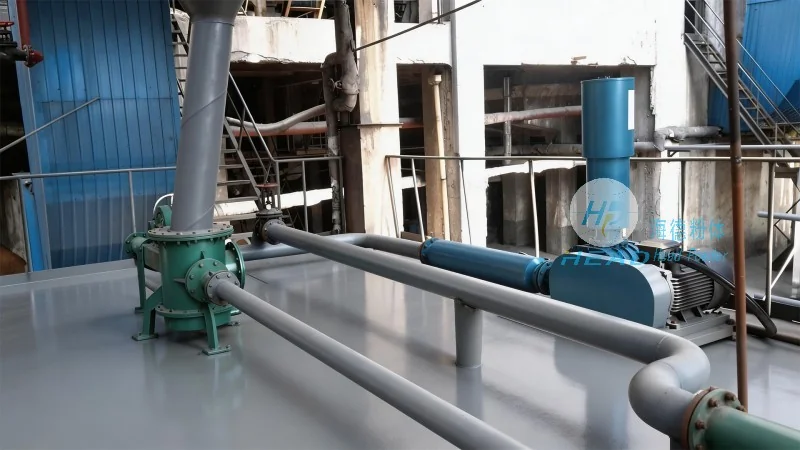
The application scenarios for sodium nitrate pneumatic conveying vary widely across different industries. In the fertilizer industry, for instance, sodium nitrate is often used as a nitrogen source in compound fertilizers. The conveying system must be integrated into the production line to transport the powder from storage silos to mixing and granulation units. This requires a system that can handle high flow rates and maintain product purity, as any contamination could affect the final fertilizer quality.
In chemical processing plants, sodium nitrate may be used as an oxidizer in various reactions. The conveying system in this context needs to ensure safe handling, as the material is a strong oxidizer and can be hazardous if not handled properly. Features such as explosion-proof components, proper grounding, and dust explosion prevention measures are often incorporated into the system design. The operational features may also include the ability to handle varying particle sizes or moisture content, as the material may be processed in different stages of the chemical reaction.
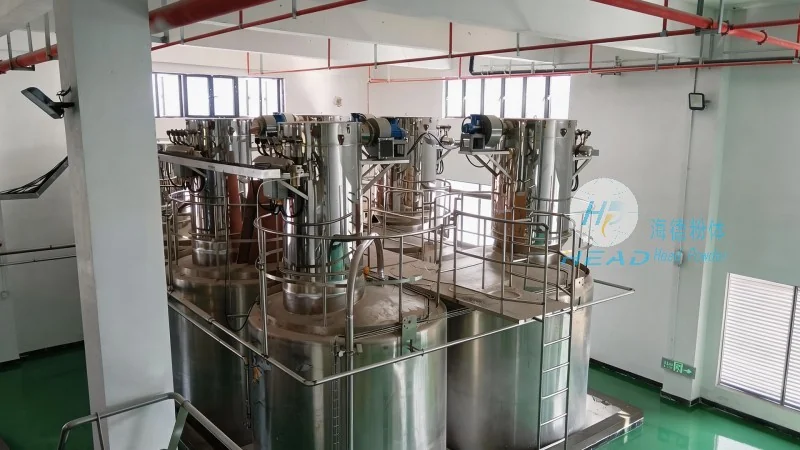
In industrial bulk handling facilities, the system may be used to transfer sodium nitrate from one storage area to another, or to feed it into a downstream processing unit like a mixer or a reactor. The key operational characteristics in these scenarios include reliability, low maintenance requirements, and the ability to handle large volumes of material efficiently. The system design may also consider the need for flexibility, allowing for adjustments in flow rate or direction based on production needs.
Compared to traditional mechanical conveying methods, pneumatic conveying offers several advantages for sodium nitrate handling. These include the ability to transport materials over long distances without the need for multiple transfer points, reduced risk of product contamination (as the material is not in direct contact with mechanical parts), and improved safety features, especially when handling hazardous materials like sodium nitrate. The system can also be designed to be compact and space-efficient, which is beneficial in facilities with limited floor space.
However, there are also considerations to keep in mind. Pneumatic conveying systems require more energy than mechanical systems, as they rely on air pressure or vacuum. This can increase operational costs, especially for large-scale applications. Additionally, the system must be properly maintained to prevent air leaks or blockages, which can lead to system downtime or product loss. Regular cleaning and inspection of the conveying line, separator, and dust collector are essential to ensure long-term performance and reliability.

 Shandong Headpowder Engineering Co., Ltd.
 156-6277-7102(Manager Zhang)
  0531-83386006
  Zhangqiu District, Jinan City, Shandong Province, China
telephone
WeChatconsult
top