With more than 10‑year industry experience, Shandong Headpowder delivers full‑service pneumatic‑conveying systems and blowers, undertaking nationwide turn‑key powder‑handling projects.
HeadPowder, a leading engineering firm based in Shandong, China, specializes in the design and implementation of pneumatic conveying systems for dry limestone powders. This article explores the fundamental principles behind dry limestone powder pneumatic conveying and highlights key working scenario characteristics that define its effectiveness and application in various industrial settings.
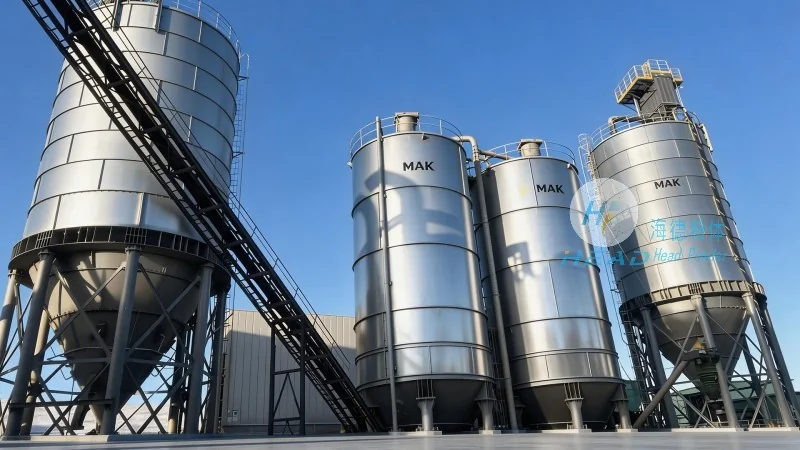
Pneumatic conveying is a method of transporting bulk materials, such as dry limestone powder, through a pipeline using a gas stream, typically air or other gases. The process involves creating a pressure differential within the system to move the material from the source to the destination. There are two primary types of pneumatic conveying: dilute-phase and dense-phase. Dilute-phase systems operate at higher velocities, with particles suspended in the gas stream, while dense-phase systems use lower velocities and higher pressure to push the material through the pipeline. For dry limestone powder, the choice of system depends on factors like material properties, distance, and required flow rate.
Several distinct characteristics define the working scenarios of dry limestone powder pneumatic conveying, each tailored to specific operational needs and material handling requirements. These characteristics include:

The efficiency of pneumatic conveying systems in handling dry limestone powder is a critical factor. Systems are designed to maintain consistent flow rates, ensuring that the material is transported without clogging or degradation. Flow control mechanisms, such as variable speed drives and pressure regulators, allow operators to adjust the conveying rate based on demand, optimizing both productivity and energy consumption. This characteristic is particularly important in industrial applications where precise material delivery is essential, such as in chemical processing or construction material production.
Dry limestone powder pneumatic conveying systems are highly scalable, allowing them to be adapted to a wide range of operational scales. Whether for small-scale laboratory applications or large-scale industrial production, the system can be configured to meet specific throughput requirements. Flexibility is another key characteristic, as systems can be integrated with existing infrastructure or modified to accommodate changes in material types or processing needs. This adaptability makes pneumatic conveying a versatile solution for various industries, including mining, cement, and environmental remediation.
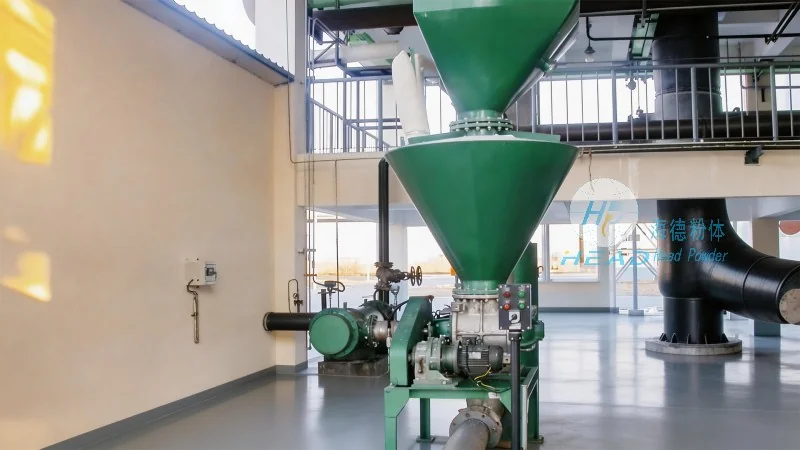
Working scenarios of dry limestone powder pneumatic conveying also emphasize environmental and safety aspects. The enclosed pipeline system minimizes dust emissions, reducing the risk of airborne particulate exposure for personnel and minimizing environmental impact. Additionally, the system design incorporates safety features, such as pressure relief valves and emergency shut-off mechanisms, to prevent accidents and ensure operational safety. These considerations are vital in industries where dust control and worker safety are paramount, aligning with regulatory standards and best practices.
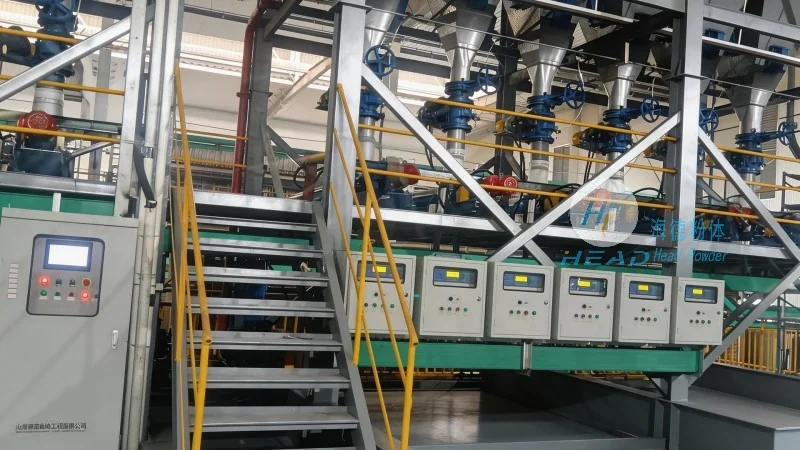
Energy efficiency is a significant working scenario characteristic of dry limestone powder pneumatic conveying. Modern systems utilize advanced technologies, such as variable frequency drives and optimized pipeline designs, to reduce energy consumption while maintaining effective material transport. This focus on energy efficiency helps lower operational costs and aligns with sustainability goals. By minimizing energy use, companies can improve their overall cost-effectiveness and reduce their environmental footprint, making pneumatic conveying an economically viable and environmentally responsible choice for handling dry limestone powder.
HeadPowder Engineering Co., Ltd., based in Shandong, China, plays a crucial role in the implementation and optimization of dry limestone powder pneumatic conveying systems. With expertise in system design, installation, and maintenance, the company ensures that clients benefit from the efficiency, scalability, and safety advantages of pneumatic conveying. By adhering to industry best practices and leveraging advanced engineering solutions, HeadPowder helps industrial facilities achieve reliable and cost-effective material handling solutions for dry limestone powder, supporting their operational success and sustainability objectives.

 Shandong Headpowder Engineering Co., Ltd.
 156-6277-7102(Manager Zhang)
  0531-83386006
  Zhangqiu District, Jinan City, Shandong Province, China
telephone
WeChatconsult
top