

Principles and Working Scene Characteristics of Food Powder Pneumatic Conveying
Food powder pneumatic conveying is a critical technology in the food processing industry, enabling the efficient and hygienic transport of bulk powders such as flour, milk powder, and other food ingredients. This method utilizes air as the conveying medium, either by blowing air under pressure (positive pressure) or creating a vacuum (negative pressure) to move particles through a pipeline. The process involves several key components, including a feeder to introduce the powder into the system, a conveying line to transport the material, and a separator to separate the powder from the air at the end of the line. Understanding the underlying principles and the specific characteristics of different operational scenarios is essential for optimizing performance and ensuring compliance with food safety regulations.
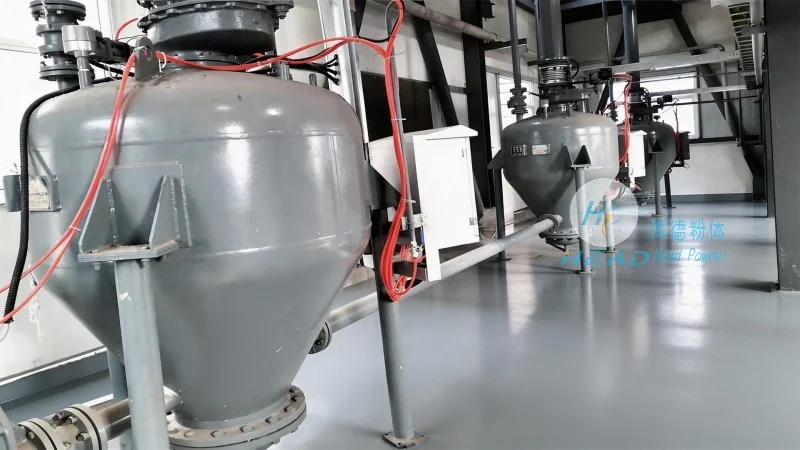
The Fundamental Principles of Pneumatic Conveying for Food Powders
At its core, pneumatic conveying operates by creating a pressure differential between the inlet and outlet of the conveying system. In positive pressure systems, air is compressed and forced through the pipeline, carrying the powder particles along with it. The velocity of the air must be sufficient to overcome the gravitational and frictional forces acting on the particles, ensuring stable and continuous flow. Conversely, negative pressure systems draw air and powder particles into the system using a vacuum, which is typically generated by a fan or blower. Both methods have distinct advantages and are selected based on the specific characteristics of the powder and the layout of the facility.
Key Components and Their Roles in Food Powder Conveying Systems
The effectiveness of a pneumatic conveying system for food powders depends on the proper design and integration of several components. The feeder is a critical element, as it must reliably introduce the powder into the conveying line without causing blockages or creating dust. Common feeder types include rotary valves, star feeders, and screw feeders, each suited to different powder properties and flow rates. The conveying line itself is typically made of stainless steel or other food-grade materials to prevent contamination and ensure easy cleaning. The line diameter and length are carefully calculated to maintain the required air velocity and pressure drop, which directly impacts the system's efficiency and capacity. The separator, or cyclone, is responsible for separating the powder from the air at the end of the line. It uses centrifugal force to pull the heavier powder particles out of the air stream, allowing the clean air to be recirculated or discharged. This component is essential for maintaining the purity of the powder and preventing product loss.
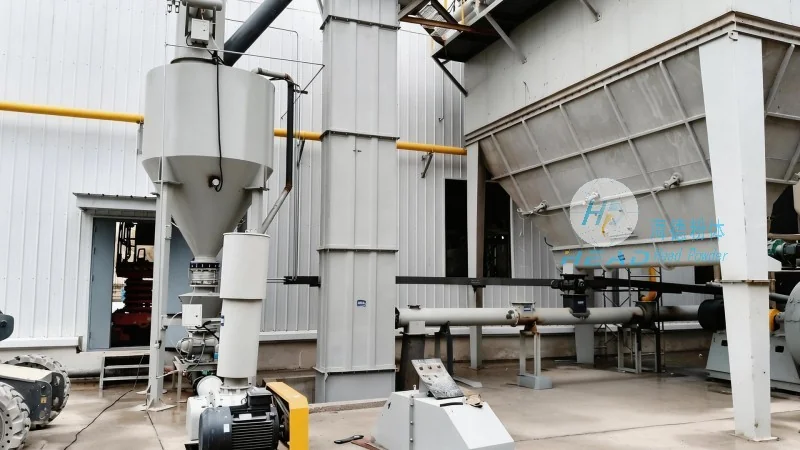
Working Scene Characteristics: Applications in Food Processing
The application of food powder pneumatic conveying varies significantly across different operational scenarios, each with unique requirements and benefits. In large-scale food manufacturing facilities, such as flour mills or dairy plants, the system is often used to transport large volumes of powder over long distances, connecting raw material storage to processing lines or packaging areas. The key characteristics in these scenarios include high throughput, reliability, and the ability to handle varying powder flow rates. For example, in a flour mill, the system may need to convey thousands of tons of flour per day, requiring a robust and efficient design that minimizes downtime and maintenance. In contrast, smaller food processing operations, such as artisanal bakeries or specialty ingredient producers, may use pneumatic conveying for shorter distances and lower volumes, where the focus is on precision and flexibility. These scenarios often involve more complex system configurations, such as multi-point feeding or branching lines, to accommodate different product lines or production schedules.
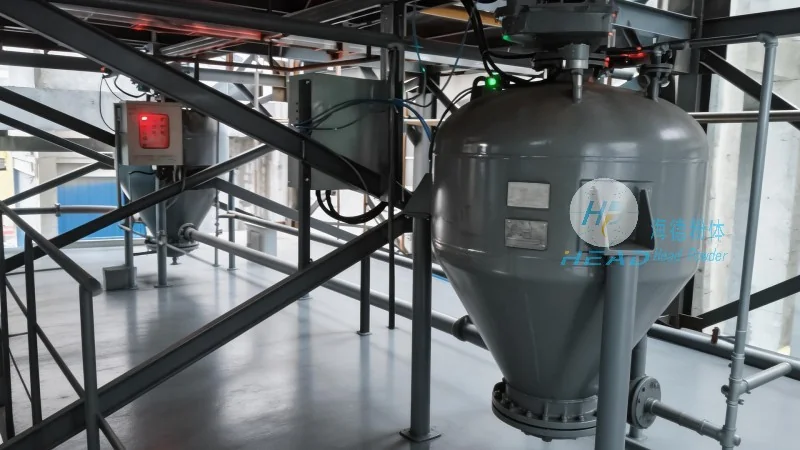
Advantages and Considerations for Food Powder Pneumatic Conveying
Compared to traditional mechanical conveying methods, pneumatic conveying offers several advantages in the food industry. One of the most significant benefits is its hygienic design, as the system is enclosed and uses food-grade materials, reducing the risk of contamination from external sources. The lack of moving parts in the conveying line itself also minimizes the risk of product damage or contamination from mechanical wear. Additionally, pneumatic systems can handle a wide range of powder properties, from fine powders like milk powder to coarser materials like wheat flour, making them versatile for various applications. However, there are also considerations to keep in mind. For instance, the system requires a reliable air supply and proper maintenance to ensure consistent performance. Dust control is another critical aspect, as the system can generate airborne particles that need to be captured and filtered to meet environmental and safety standards. Furthermore, the initial investment and energy consumption of pneumatic systems are typically higher than mechanical alternatives, which may be a factor for smaller operations.
Conclusion: Optimizing Food Powder Handling with Pneumatic Conveying
Food powder pneumatic conveying is a sophisticated and essential technology that plays a vital role in the efficient and safe handling of bulk food powders. By understanding the fundamental principles of the system and the specific characteristics of different operational scenarios, food processing facilities can optimize their operations, improve productivity, and ensure compliance with industry standards. As the demand for high-quality food products continues to grow, the importance of reliable and hygienic powder handling systems will only increase. Companies like Shandong HeadPowder Engineering Co., Ltd. specialize in designing and manufacturing customized pneumatic conveying solutions tailored to the unique needs of food processing operations, providing the expertise and equipment necessary to enhance efficiency and safety in the industry.