With more than 10‑year industry experience, Shandong Headpowder delivers full‑service pneumatic‑conveying systems and blowers, undertaking nationwide turn‑key powder‑handling projects.
Steel grit material conveying systems are essential in industrial applications where the efficient transport of abrasive steel grit is required. These systems are designed to handle the unique challenges posed by steel grit, such as its abrasive nature and varying particle sizes. Understanding the underlying principles and operational characteristics of these systems is crucial for optimizing performance and ensuring longevity in demanding environments.
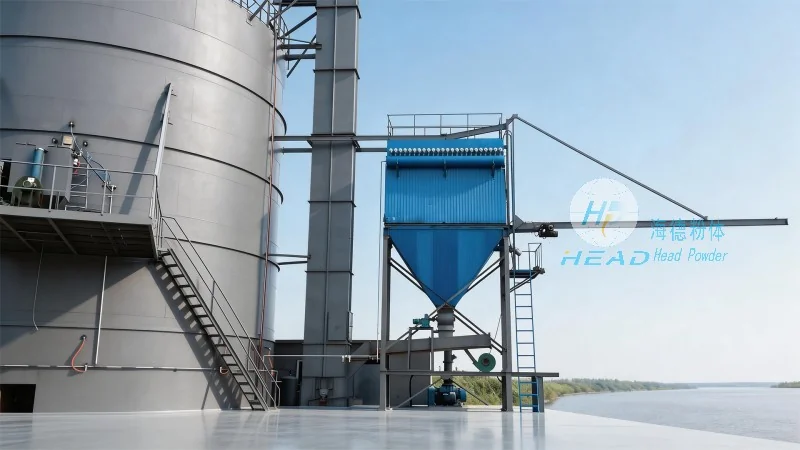
The fundamental principle of steel grit material conveying involves the use of specialized equipment to move steel grit from a source to a destination. This process typically relies on mechanical forces, such as gravity, pressure, or motor-driven mechanisms, to propel the material through a pipeline or conveyor system. The design of the conveying system must account for the abrasive properties of steel grit, which can cause wear on components over time. To mitigate this, manufacturers often incorporate durable materials, such as stainless steel or high-grade alloys, in the construction of the conveying equipment. Additionally, the system may include features like vibration or agitation to prevent material buildup and ensure consistent flow.
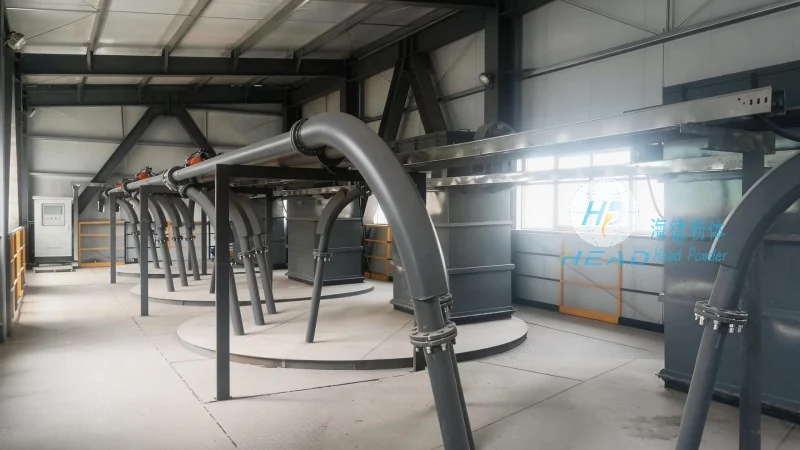
Steel grit conveying systems consist of several critical components that work in tandem to achieve efficient material transport. The primary components include the hopper or loading chamber, which serves as the initial storage and feeding point for the steel grit. This component is designed to accommodate bulk material and ensure a steady supply to the conveyor. The conveyor itself, which may be a screw conveyor, pneumatic conveyor, or belt conveyor, is responsible for moving the steel grit through the system. Screw conveyors are particularly effective for handling steel grit due to their ability to mix and move material without the need for external air pressure. Pneumatic conveyors, on the other hand, use air pressure to transport the material, which is beneficial for applications requiring dust control or long-distance transport. The discharge mechanism, which may include a valve or outlet, is used to release the steel grit at the desired location. Finally, the control system, which may include sensors and automation, monitors the flow rate and adjusts the system as needed to maintain optimal performance.
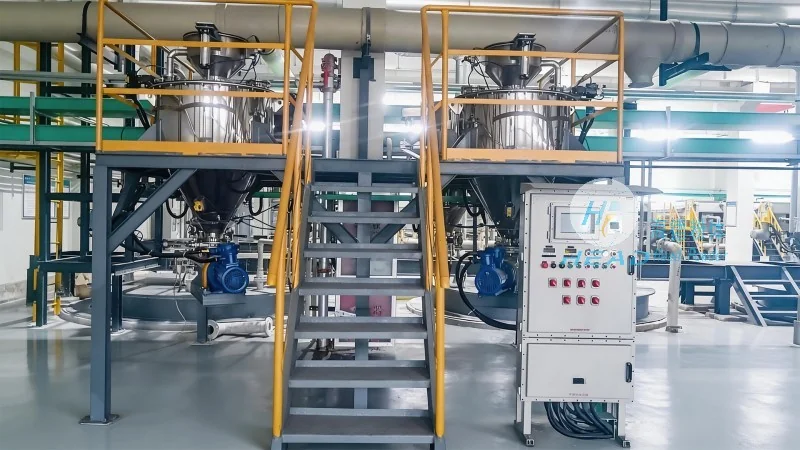
The working scene characteristics of steel grit material conveying systems vary depending on the specific industrial application. For example, in metal finishing and surface treatment processes, steel grit is used for abrasive blasting to remove rust, paint, or other contaminants from metal surfaces. In this scenario, the conveying system must be capable of handling high volumes of steel grit and delivering it to the blasting equipment at a consistent rate. The system may also need to be integrated with dust collection systems to control airborne particles and ensure compliance with environmental regulations. Another application is in the production of abrasive tools, where steel grit is used as a raw material. Here, the conveying system must maintain the purity of the steel grit and prevent contamination from other materials. The working environment may also include high temperatures or corrosive substances, which requires the use of specialized materials and protective measures in the conveying equipment.
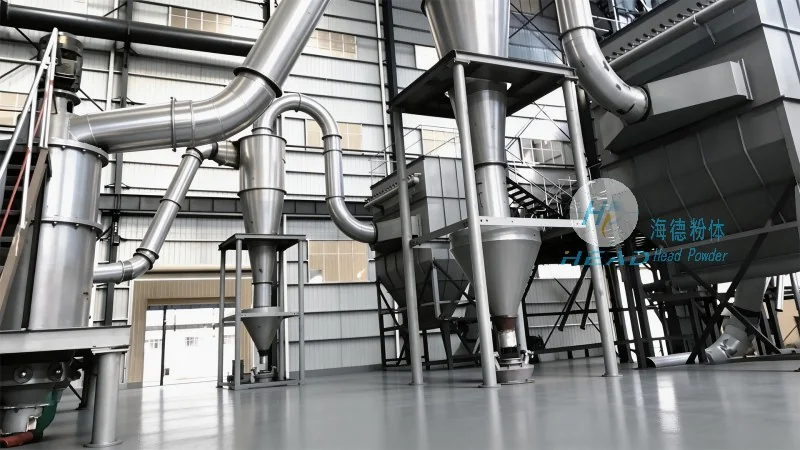
Ensuring the operational efficiency of steel grit material conveying systems is essential for maximizing productivity and minimizing downtime. Regular maintenance is crucial to prevent component wear and failure. This includes inspecting the conveyor components for signs of wear, such as cracks or corrosion, and replacing them as needed. Lubrication of moving parts is also important to reduce friction and extend the life of the equipment. Additionally, the system should be cleaned regularly to remove accumulated steel grit and prevent blockages. The use of monitoring systems, such as flow meters or pressure sensors, can help detect issues early and allow for timely intervention. Proper training of operators on the system's operation and maintenance is also a key factor in maintaining efficiency. By following these practices, industrial facilities can ensure that their steel grit conveying systems operate reliably and efficiently over the long term.

 Shandong Headpowder Engineering Co., Ltd.
 156-6277-7102(Manager Zhang)
  0531-83386006
  Zhangqiu District, Jinan City, Shandong Province, China
telephone
WeChatconsult
top