With more than 10‑year industry experience, Shandong Headpowder delivers full‑service pneumatic‑conveying systems and blowers, undertaking nationwide turn‑key powder‑handling projects.
HeadPowder, a leading engineering company based in Shandong, China, specializes in advanced material handling solutions. This article explores the core principles behind unmanned material feeding and conveying systems, as well as the key characteristics of their operational environments.
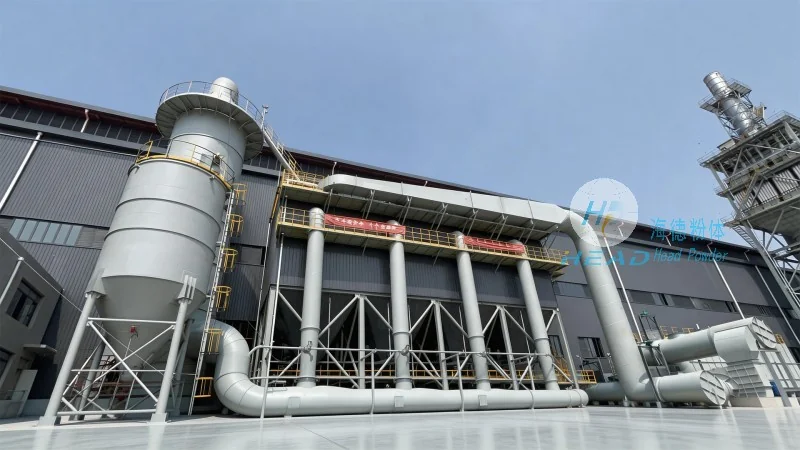
The fundamental principle of unmanned material feeding involves the automated transfer of raw materials or components from a storage or processing area to a production line without human intervention. This is achieved through a combination of sensors, control systems, and mechanical components that work in tandem to ensure precise and efficient material movement. The system typically includes input mechanisms such as hoppers, feeders, or automated storage and retrieval systems (AS/RS) that deliver materials to the conveyor or processing equipment. Advanced technologies like optical sensors, weight scales, and position feedback loops are integrated to monitor and adjust the feeding rate, ensuring consistent material flow and preventing overloading or underfeeding. The control system, often based on programmable logic controllers (PLCs) or industrial computers, coordinates the entire process, adapting to variations in material characteristics and production demands. This automation not only enhances operational efficiency but also minimizes human error and labor costs, making it ideal for high-volume manufacturing environments.
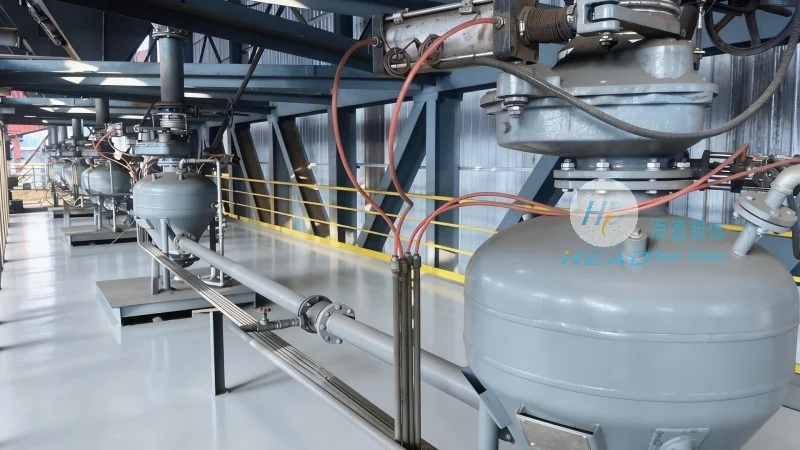
The operational environments for unmanned material conveying systems exhibit distinct characteristics that define their effectiveness and suitability. These scenes are typically characterized by high production throughput, requiring continuous and reliable material movement to support manufacturing processes. The systems are often deployed in industrial settings such as manufacturing plants, assembly lines, and logistics centers, where space optimization and integration with existing production infrastructure are critical. The working scenes may involve diverse material types, including powders, granules, bulk solids, or even small parts, each requiring specialized feeding and conveying methods to maintain material integrity and prevent contamination. Environmental factors such as temperature, humidity, and dust levels also play a role, as the systems must be designed to operate reliably in various industrial conditions. Additionally, the layout of the working scene, including the placement of feeders, conveyors, and processing equipment, is carefully planned to minimize material handling distances and maximize workflow efficiency. The integration of real-time monitoring and data analytics further enhances the performance of these systems, allowing for predictive maintenance and process optimization.
Unmanned material feeding and conveying systems find widespread application across various industries, including pharmaceuticals, food processing, chemicals, and manufacturing. In the pharmaceutical industry, for example, these systems are used to handle sensitive materials with strict contamination control requirements, ensuring compliance with regulatory standards. The food processing sector benefits from automated material handling that maintains hygiene and prevents cross-contamination, while the chemical industry relies on these systems to manage hazardous materials safely. The primary benefits of such systems include increased production speed, reduced labor costs, improved material consistency, and enhanced safety in the workplace. By eliminating manual handling, the risk of workplace injuries is significantly reduced, and the overall operational efficiency is boosted. Furthermore, the scalability of these systems allows companies to adapt to changing production needs, making them a versatile solution for modern manufacturing environments.
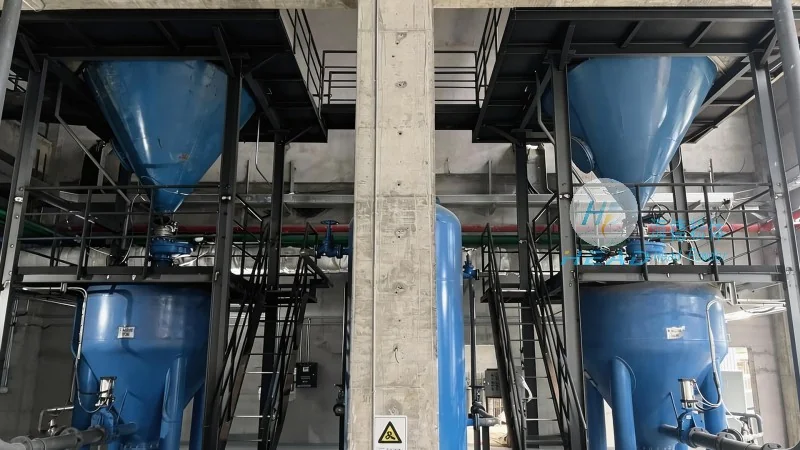
Unmanned material feeding and conveying systems represent a significant advancement in industrial automation, offering efficient and reliable solutions for material handling challenges. As technology continues to evolve, these systems are expected to integrate more advanced features such as artificial intelligence and machine learning to optimize performance and adapt to dynamic production scenarios. The ongoing focus on sustainability and energy efficiency will also drive innovations in material handling technologies, making unmanned systems even more attractive for industrial applications. For businesses seeking to enhance their operational efficiency and competitiveness, investing in advanced material feeding and conveying solutions from HeadPowder can provide a solid foundation for future growth and success.

 Shandong Headpowder Engineering Co., Ltd.
 156-6277-7102(Manager Zhang)
  0531-83386006
  Zhangqiu District, Jinan City, Shandong Province, China
telephone
WeChatconsult
top