With more than 10‑year industry experience, Shandong Headpowder delivers full‑service pneumatic‑conveying systems and blowers, undertaking nationwide turn‑key powder‑handling projects.
HeadPowder, a leading provider in the field of dust handling and material transport solutions, specializes in pneumatic conveying systems designed to efficiently and safely move powders and granular materials. With a strong presence in Shandong, China, the company has established itself as a trusted partner for industries seeking reliable and innovative material handling technologies.
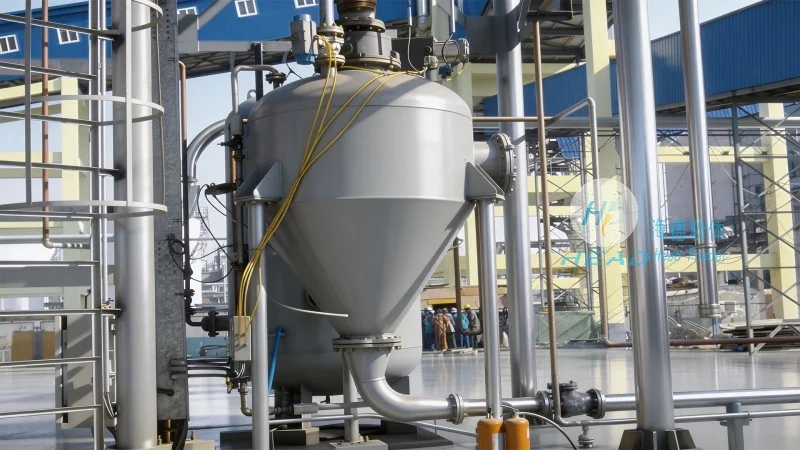
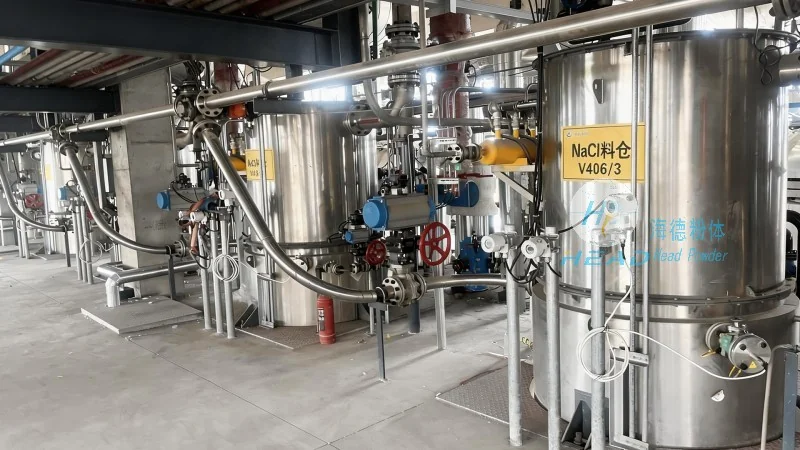
Pneumatic conveying, also known as air conveying, is a method that utilizes compressed air or other gases to transport solid particles through a pipeline. The core principle involves creating a flow of air that lifts and propels the material from the source to the destination. This process can be categorized into two main types: pressure and vacuum systems. In pressure systems, air is introduced at the discharge end of the pipeline, pushing the material forward. Conversely, vacuum systems draw air and material from the source, pulling them through the line. The effectiveness of pneumatic conveying depends on several key factors, including the particle size, density, and moisture content of the material, as well as the air velocity and pressure within the system. Proper design of the conveying line, including the selection of appropriate pipe diameters, bends, and filters, is crucial to ensure efficient and low-damage transport. The system typically includes components such as a feeder, a compressor or vacuum pump, a pipeline network, and a receiver or filter to collect the material at the end of the process.
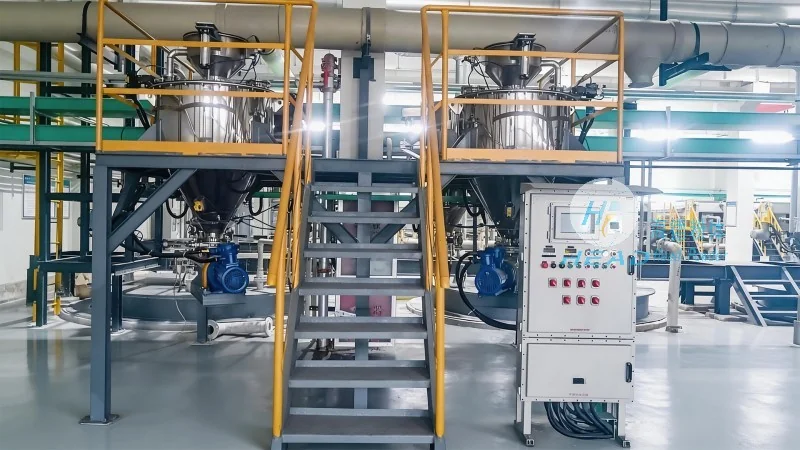
The application of pneumatic conveying in various industrial settings is defined by several distinct characteristics that make it an attractive solution for material handling. One of the primary advantages is its ability to handle a wide range of materials, from fine powders to coarse granules, without the need for mechanical components like belts or buckets that can cause wear and tear or contamination. This makes it particularly suitable for sensitive materials, such as pharmaceuticals, food products, and chemicals, where maintaining purity and integrity is critical. Another significant characteristic is the system's flexibility in terms of layout and integration. Pneumatic conveying lines can be easily installed in existing facilities, with the ability to connect multiple source and destination points, allowing for complex material flow paths. The process is also highly efficient in terms of energy consumption compared to traditional methods like bucket elevators or screw conveyors, as it minimizes friction and reduces the need for multiple transfer points. Additionally, pneumatic conveying systems are generally more compact and can be integrated into existing plant layouts, saving valuable floor space. The environmental benefits are another notable characteristic, as the enclosed pipeline system prevents dust emissions and contamination, contributing to a cleaner working environment and compliance with environmental regulations. The system's ability to handle materials at high speeds and over long distances without the need for intermediate storage or handling points further enhances its operational efficiency.
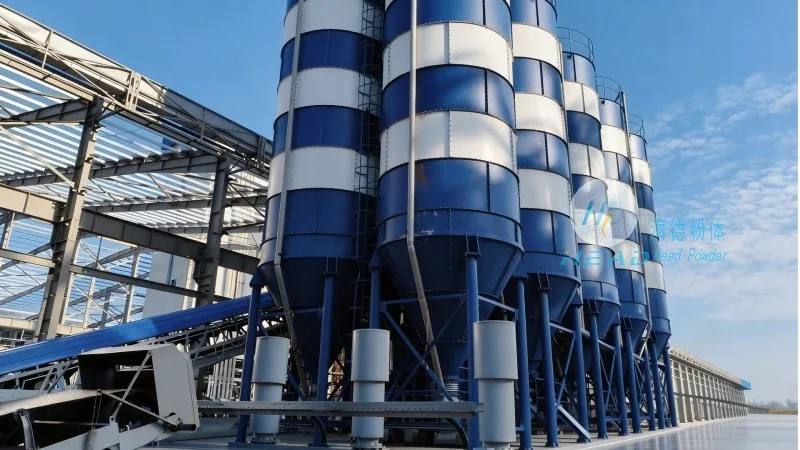
Pneumatic conveying is widely utilized across numerous industries, each presenting unique challenges and requirements that the technology addresses effectively. In the chemical industry, for example, it is commonly used to transport raw materials and finished products, such as powders and granules, from reactors to storage tanks or packaging lines. The system's ability to handle corrosive or hazardous materials safely, with proper sealing and filtration, makes it ideal for these applications. The food and beverage industry also relies heavily on pneumatic conveying for handling ingredients like flour, sugar, and spices, as well as finished products like powdered milk or coffee. The hygienic design of the system, including stainless steel components and easy-to-clean surfaces, ensures compliance with food safety standards. In the pharmaceutical sector, the technology is employed to transport active pharmaceutical ingredients (APIs) and excipients, where maintaining product purity and preventing cross-contamination is paramount. The use of closed systems and high-efficiency filters in these applications ensures that the material remains sterile and free from contaminants. The mining and minerals industry utilizes pneumatic conveying for transporting bulk materials like coal, ore, and minerals from processing plants to storage or transportation facilities. The system's ability to handle abrasive materials and high volumes makes it suitable for these demanding applications. Additionally, in the agricultural sector, it is used to transport grain, feed, and other agricultural products from storage silos to processing equipment or packaging lines. The system's flexibility in handling different particle sizes and moisture contents of agricultural materials makes it a versatile solution for this industry. Overall, the diverse range of work scenarios and industries that benefit from pneumatic conveying highlights its adaptability and effectiveness in addressing the specific needs of each sector.

 Shandong Headpowder Engineering Co., Ltd.
 156-6277-7102(Manager Zhang)
  0531-83386006
  Zhangqiu District, Jinan City, Shandong Province, China
telephone
WeChatconsult
top