With more than 10‑year industry experience, Shandong Headpowder delivers full‑service pneumatic‑conveying systems and blowers, undertaking nationwide turn‑key powder‑handling projects.
Waste material pneumatic conveying systems are essential equipment in modern waste management and material handling industries. These systems utilize air as the primary medium to transport bulk materials, offering a flexible and efficient solution for moving waste or other granular substances from one location to another. The technology has evolved significantly over the years, with various designs and configurations tailored to specific applications, such as municipal solid waste, industrial waste, or construction debris.
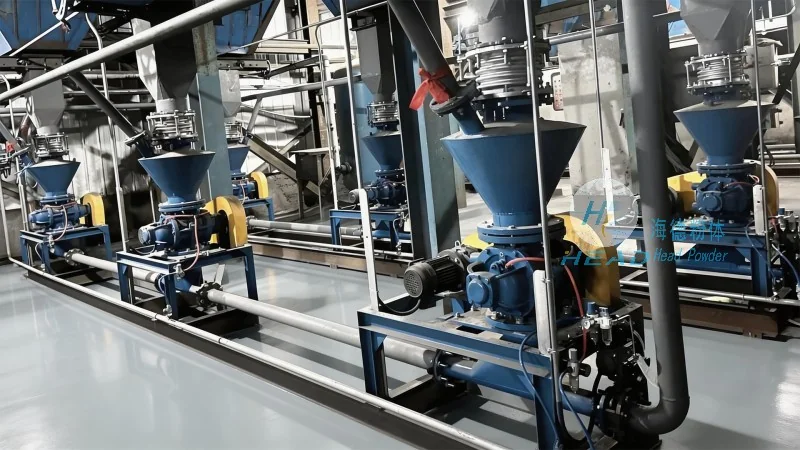
The core mechanism of a pneumatic conveying system involves the use of a blower or compressor to generate airflow, which then propels the material through a pipeline. The system typically consists of several key components, including a hopper for material storage, a feeder to control the flow rate, a conveying line, and a receiver for the discharged material. The working principle can be categorized into two main types: dilute-phase and dense-phase systems, each with distinct characteristics and applications.
1. Air Source Unit: This component generates the necessary airflow and pressure to move the material. It can be a positive displacement blower or a centrifugal fan, depending on the system's requirements. The air source is crucial as it determines the system's capacity and efficiency. 2. Material Hopper: The hopper stores the waste material and provides a consistent feed to the feeder. It is designed to handle different types of waste, such as plastic, paper, or organic matter, and may include features like a hopper liner or a pre-screening mechanism to prevent blockages. 3. Feeder: The feeder regulates the flow of material into the conveying line, ensuring a steady and controlled discharge. Common types include rotary valves, screw feeders, or vibratory feeders, which are chosen based on the material's properties and the system's operational needs. 4. Conveying Line: The pipeline where the material is transported. It can be made of metal, plastic, or other materials, depending on the material's corrosiveness and the system's pressure requirements. The line may include bends, expansions, or restrictions to guide the material and maintain flow. 5. Receiver: The container where the conveyed material is deposited. It is designed to handle the material's characteristics and may include features like a discharge valve or a dust collection system to prevent environmental contamination.
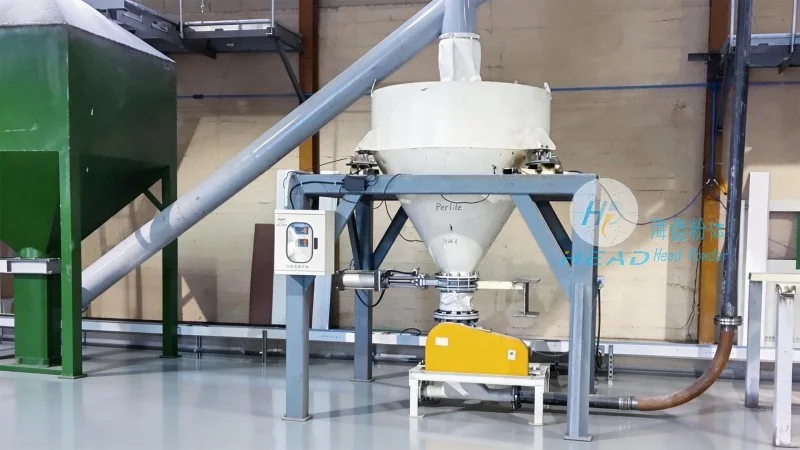
Dilute-phase systems operate at low pressure and high velocity, where the material is suspended in the air stream. This type is suitable for long-distance transport and handling fine or light materials. Dense-phase systems, on the other hand, operate at higher pressure and lower velocity, where the material is conveyed in a slurry-like state. These systems are ideal for transporting abrasive or heavy materials, as they reduce wear and tear on the equipment. The choice between these systems depends on factors such as the material's properties, the distance to be covered, and the required capacity.
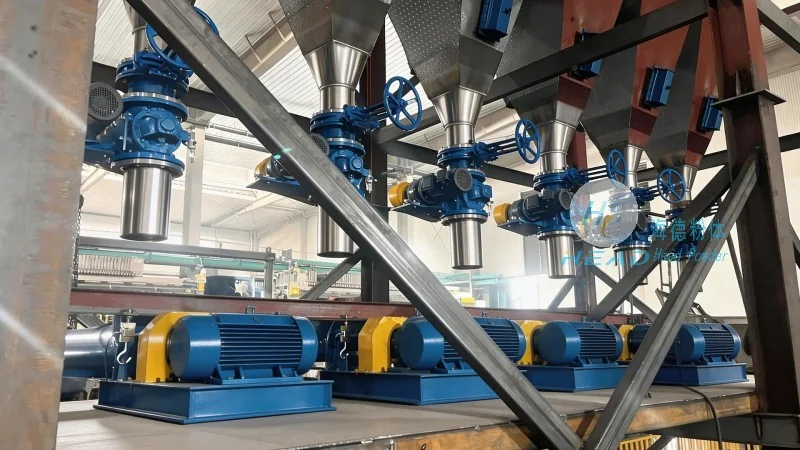
1. Efficiency and Flexibility: Pneumatic conveying systems can transport materials over long distances and through complex layouts, making them suitable for various industrial and municipal applications. The ability to change the direction of the conveying line by adjusting the pipeline layout provides flexibility in system design. 2. Reduced Labor and Maintenance: Compared to traditional methods like trucks or conveyor belts, pneumatic systems require less manual labor for loading and unloading. The enclosed pipeline also reduces the need for frequent maintenance and cleaning, as the material is contained within the system. 3. Environmental Benefits: By using an enclosed system, the conveying process minimizes dust emissions and prevents environmental contamination. This is particularly important for waste materials, as it helps to maintain air quality and comply with environmental regulations. 4. Space Efficiency: Pneumatic systems can be installed in confined spaces, as the pipeline can be routed vertically or horizontally to fit the available area. This makes them ideal for urban or industrial settings where space is limited. 5. Cost-Effectiveness: Although the initial investment may be higher than traditional methods, the long-term operational costs are lower due to reduced labor, maintenance, and environmental compliance costs.
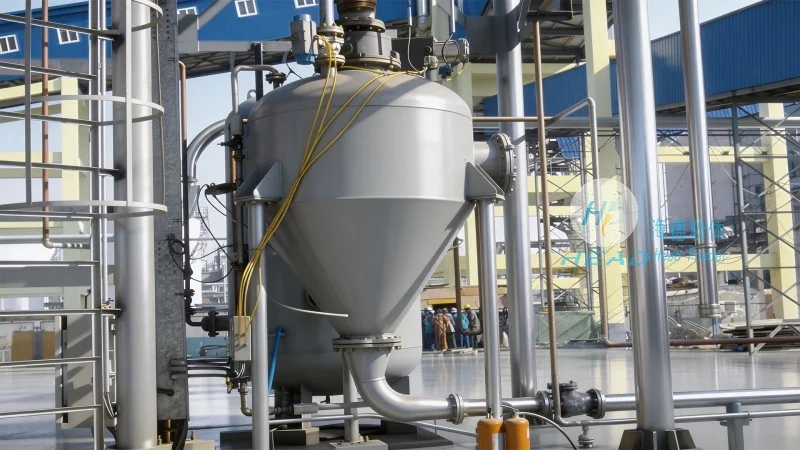
Shandong HeadPowder Engineering Co., Ltd. specializes in designing and manufacturing high-quality waste material pneumatic conveying systems tailored to the specific needs of clients. Our systems are engineered with advanced technology and robust construction to ensure reliable and efficient operation. Key features include: 1. Customizable Design: We offer customized solutions based on the client's requirements, including the material type, conveying distance, and system layout. 2. High Efficiency: Our systems are designed to maximize material throughput while minimizing energy consumption. 3. Durable Construction: The components are made from high-quality materials, such as stainless steel or corrosion-resistant alloys, to withstand the harsh conditions of waste handling. 4. Low Maintenance: The system is designed with easy access to components, allowing for quick and efficient maintenance. 5. Environmental Compliance: Our systems comply with environmental regulations, ensuring minimal impact on the environment. 6. Reliable Performance: We use advanced control systems to monitor and adjust the system's operation, ensuring consistent performance and reducing downtime.
Waste material pneumatic conveying systems are a vital component in modern waste management, offering an efficient and environmentally friendly solution for transporting bulk materials. The working principle and features of these systems have evolved to meet the changing needs of the industry, with advanced designs and technologies improving their performance and reliability. Shandong HeadPowder Engineering Co., Ltd. is committed to providing high-quality pneumatic conveying systems that meet the specific requirements of our clients, ensuring efficient and sustainable waste handling solutions.

 Shandong Headpowder Engineering Co., Ltd.
 156-6277-7102(Manager Zhang)
  0531-83386006
  Zhangqiu District, Jinan City, Shandong Province, China
telephone
WeChatconsult
top