With more than 10‑year industry experience, Shandong Headpowder delivers full‑service pneumatic‑conveying systems and blowers, undertaking nationwide turn‑key powder‑handling projects.
The ceramic particle material handling system operates through a series of integrated components designed to efficiently transport and manage ceramic particles. At its core, the system utilizes a combination of mechanical and pneumatic mechanisms to ensure precise movement and control. The process begins with the loading of ceramic particles into the feeding hopper, where they are then transferred to the primary conveyor via a gravity or mechanical feed mechanism. The conveyor system, often equipped with specialized belts or rollers, moves the particles through the system with consistent speed and direction. Pneumatic components, such as airlocks and rotary valves, are integrated to regulate the flow and prevent backflow, ensuring a smooth and continuous operation. The system also incorporates sensors and control panels to monitor the flow rate, pressure, and other critical parameters, allowing for real-time adjustments to maintain optimal performance. This integrated approach ensures that ceramic particles are handled with minimal friction and damage, preserving their quality and integrity throughout the transportation process. For instance, the use of rubber or silicone conveyor belts reduces particle abrasion, while the airlock system prevents dust and particle leakage, maintaining a clean and safe working environment.
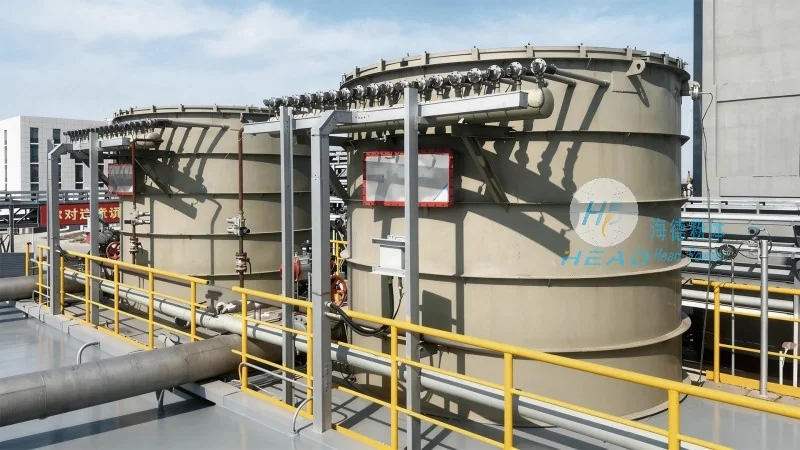
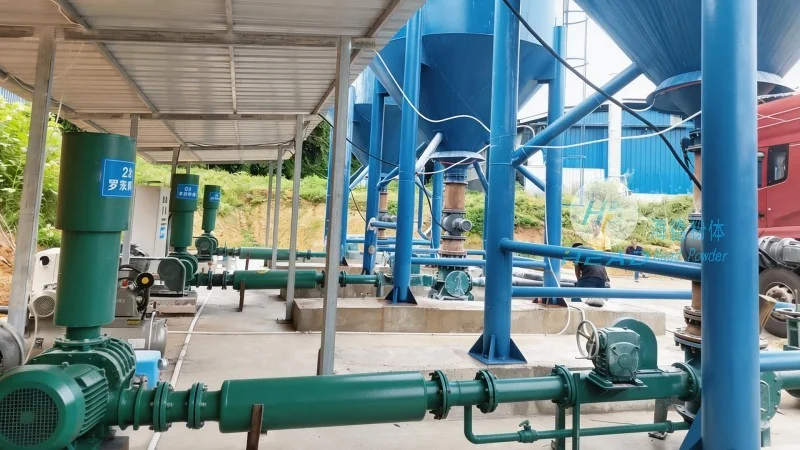
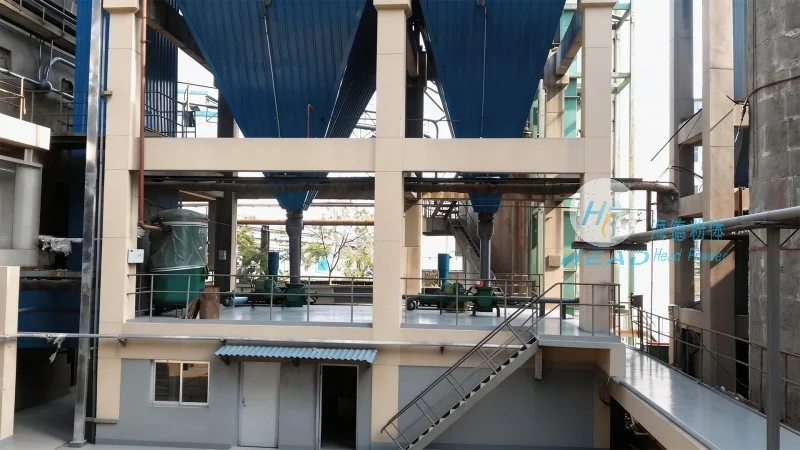
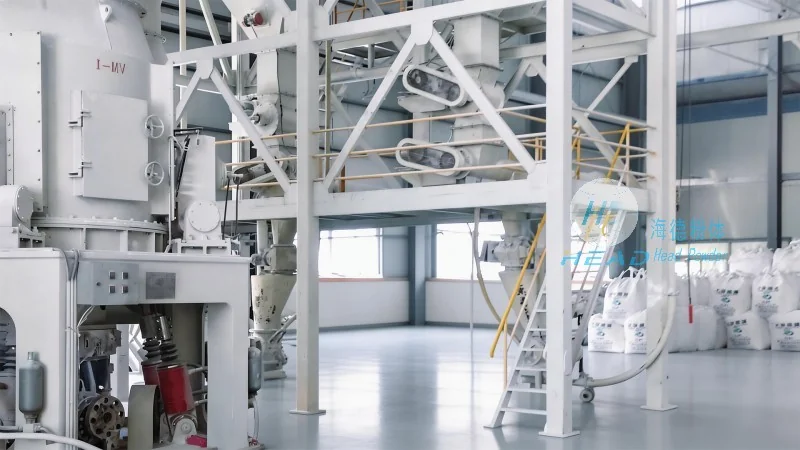
Shandong HeadPowder Engineering Co., Ltd. offers ceramic particle material handling systems with several notable features that enhance efficiency and reliability. One of the primary features is the use of high-quality, wear-resistant materials for components like conveyor belts and housing, which are designed to withstand the abrasive nature of ceramic particles. The system incorporates advanced control technology, including programmable logic controllers (PLCs) and user-friendly interfaces, enabling operators to easily adjust settings and monitor system performance. Additionally, the design emphasizes energy efficiency, with optimized motor selections and reduced air consumption in pneumatic sections. The system also features modular construction, allowing for easy installation, maintenance, and expansion as production needs change. Safety is a key consideration, with integrated emergency stop buttons, interlocks, and protective guards to ensure operator safety during operation. These features collectively contribute to a system that is not only effective in handling ceramic particles but also durable, efficient, and user-friendly. For example, the modular design allows for quick replacement of worn parts, reducing downtime and maintenance costs. The advanced control system provides real-time data on system performance, helping operators identify and address issues promptly.
The ceramic particle material handling system is widely used in various industrial applications, including ceramic manufacturing, pharmaceuticals, and food processing. In ceramic production, the system efficiently transports raw materials like clay, feldspar, and quartz from storage to processing lines, reducing manual labor and improving production speed. The system's ability to handle fine particles with minimal breakage is particularly valuable in applications where particle size and shape are critical, such as in the production of ceramic tiles or sanitaryware. The benefits of using such a system include increased productivity, reduced downtime due to maintenance, and improved product quality. Additionally, the system's modular design allows for customization to meet specific production requirements, making it a versatile solution for different industrial needs. By streamlining the material handling process, the system helps companies achieve higher throughput and lower operational costs, contributing to overall business efficiency. For instance, in a ceramic factory, the system can handle large volumes of raw materials, reducing the time required for material transfer and allowing for faster production cycles. This not only boosts output but also enhances the overall quality of the final ceramic products, as the particles are less likely to be damaged during transport.

 Shandong Headpowder Engineering Co., Ltd.
 156-6277-7102(Manager Zhang)
  0531-83386006
  Zhangqiu District, Jinan City, Shandong Province, China
telephone
WeChatconsult
top