With more than 10‑year industry experience, Shandong Headpowder delivers full‑service pneumatic‑conveying systems and blowers, undertaking nationwide turn‑key powder‑handling projects.
When it comes to efficiently transporting foam plastic materials, specialized systems are essential to ensure smooth operation and maintain material integrity. The foam plastic material handling system developed by Shandong HeadPowder Engineering Co., Ltd. is designed to address the unique challenges associated with handling lightweight, low-density foam plastics. This article explores the working principle and key features of such systems, providing insights into their functionality and benefits.
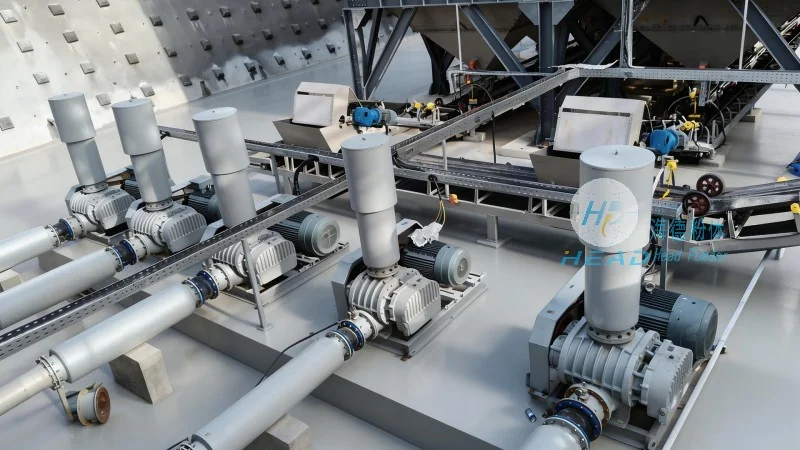
The core working principle of the foam plastic material handling system involves a combination of mechanical and pneumatic components tailored to the properties of foam plastics. The system typically starts with a feeding mechanism that gently introduces foam plastic particles into the main conveyor. For instance, a hopper or a vibrating feeder may be used to ensure a consistent flow of material into the system. Once the material is fed, it moves through a series of components, including a conveyor screw or a pneumatic pipeline, depending on the specific design. The conveyor screw, often made of corrosion-resistant materials like stainless steel or specialized plastics, rotates to push the foam plastic forward. This design minimizes friction and prevents material degradation, which is critical for delicate foam plastics. In pneumatic systems, compressed air is used to create a flow of air that carries the foam particles through the pipeline. The air velocity is carefully controlled to avoid damaging the foam, ensuring that the material reaches the discharge point without breakage or compaction.
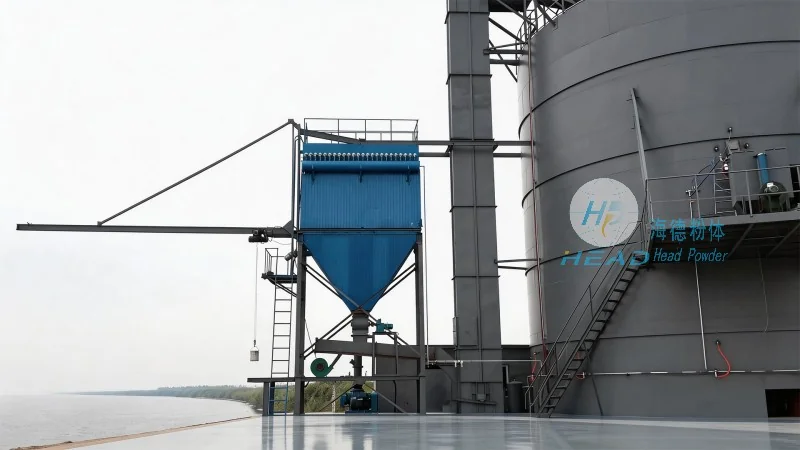
Several key features distinguish the foam plastic material handling system from conventional material handling equipment. First, the system is engineered for low friction and minimal pressure on the material, which is crucial for preserving the lightweight and porous nature of foam plastics. The use of smooth, non-abrasive surfaces in the conveyor components reduces wear and tear, extending the system's lifespan. Second, the system incorporates advanced control mechanisms that allow for precise regulation of material flow rates. This is achieved through variable speed drives and sensors that monitor the material level in the hopper and adjust the conveyor speed accordingly. Such control helps maintain a stable output and prevents overloading or underloading of the system. Third, the system is designed for easy maintenance and cleaning. The modular design allows for quick disassembly and reassembly of components, facilitating regular cleaning to prevent the accumulation of dust or debris. This is particularly important for foam plastics, as contaminants can affect the material's quality and performance. Fourth, the system is highly energy-efficient, utilizing energy-saving motors and optimized airflow in pneumatic systems. This not only reduces operational costs but also aligns with sustainability goals by minimizing energy consumption. Additionally, the system is equipped with safety features such as overload protection and emergency stop buttons, ensuring safe operation in industrial environments.
Shandong HeadPowder Engineering Co., Ltd., commonly known as HeadPowder, is a leading manufacturer specializing in material handling solutions for various industries. With a strong focus on innovation and customer satisfaction, the company has established itself as a trusted provider of high-quality foam plastic material handling systems. HeadPowder's team of engineers and technicians brings extensive experience in designing and manufacturing equipment tailored to the unique needs of foam plastic processing. The company's commitment to research and development ensures that its products remain at the forefront of technology, incorporating the latest advancements in material handling solutions. HeadPowder's facilities are equipped with state-of-the-art manufacturing equipment and quality control systems, enabling the production of reliable and durable systems that meet international standards. The company's customer-centric approach involves working closely with clients to understand their specific requirements and provide customized solutions that enhance operational efficiency and productivity. With a reputation for excellence and reliability, HeadPowder continues to serve a wide range of industries, including automotive, packaging, and construction, by delivering superior material handling solutions.
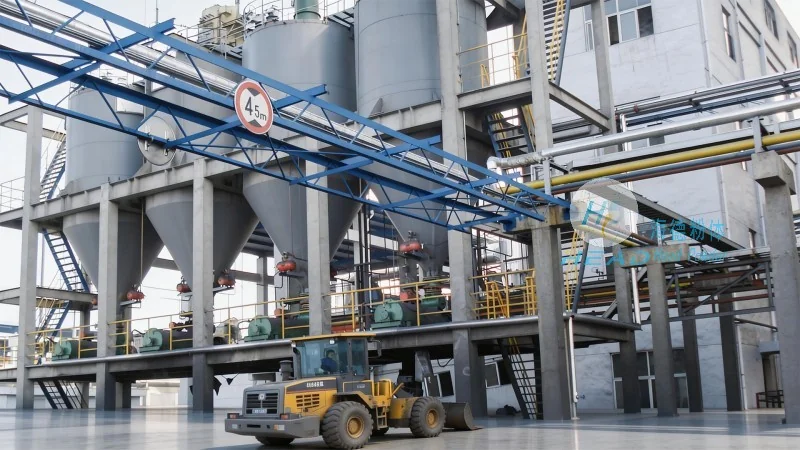
The foam plastic material handling system is widely used in various industrial applications where foam plastics are processed and transported. In the automotive industry, for example, the system is used to handle foam components used in seat cushions and interior panels. The system's ability to maintain material integrity ensures that the foam components are delivered to the assembly line in optimal condition, reducing waste and improving product quality. In the packaging industry, the system is employed to transport foam packaging materials, such as protective inserts and cushioning, to packaging lines. The system's low friction and gentle handling prevent damage to the foam, ensuring that the packaging materials remain intact and effective. In the construction industry, the system is used to transport foam insulation materials, which are essential for energy-efficient building designs. The system's ability to handle large volumes of foam insulation materials efficiently supports the construction process, improving productivity and reducing labor costs. Overall, the advantages of the foam plastic material handling system include improved material handling efficiency, reduced material damage, lower operational costs, and enhanced safety in industrial environments. These benefits make the system an ideal choice for industries that rely on foam plastics as a key component in their production processes.

 Shandong Headpowder Engineering Co., Ltd.
 156-6277-7102(Manager Zhang)
  0531-83386006
  Zhangqiu District, Jinan City, Shandong Province, China
telephone
WeChatconsult
top