With more than 10‑year industry experience, Shandong Headpowder delivers full‑service pneumatic‑conveying systems and blowers, undertaking nationwide turn‑key powder‑handling projects.
For industrial applications requiring the efficient and reliable transport of sodium fluorosilicate, specialized material handling systems are essential. These systems are designed to meet the unique challenges posed by this chemical, ensuring safe and effective operation. This article explores the working principles and key features of such systems, highlighting the expertise of Shandong HeadPowder Engineering Co., Ltd., a leading provider in the field.
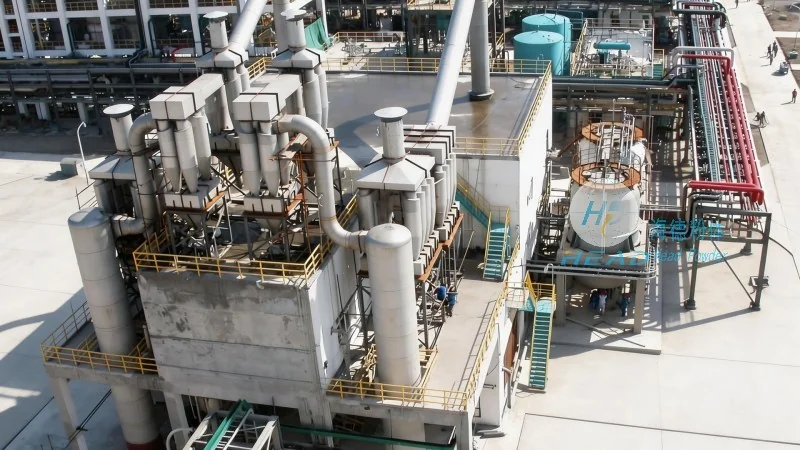
HeadPowder, the professional brand under Shandong HeadPowder Engineering Co., Ltd., is dedicated to delivering high-quality material handling solutions tailored to industrial needs. With a strong presence in China, particularly in Shandong, the company leverages years of experience to design and manufacture systems that optimize the handling of sodium fluorosilicate. Their commitment to precision engineering and customer satisfaction makes them a trusted partner for businesses in various sectors.
The core of a sodium fluorosilicate material handling system lies in its ability to safely transport the chemical from storage to processing or packaging areas. Typically, these systems incorporate several key components that work in tandem to ensure smooth operation. The process begins with the loading of sodium fluorosilicate into a storage silo or hopper. From there, the material is fed into a conveyor system, which may include screw conveyors, belt conveyors, or pneumatic conveyors, depending on the specific requirements. The choice of conveyor type is critical, as it must be compatible with the chemical's properties to prevent degradation or contamination. For instance, screw conveyors are often preferred for their ability to handle bulk materials without the need for additional air or power, while belt conveyors offer higher throughput and are suitable for larger volumes. Pneumatic conveyors, on the other hand, use air pressure to move the material, which is ideal for fine powders that require minimal contact with equipment. The system also includes control mechanisms, such as variable frequency drives (VFDs), to regulate the speed of the conveyor and maintain consistent flow. Additionally, safety features like overload protection and emergency stop buttons are integrated to prevent accidents and ensure compliance with industrial safety standards. The entire process is monitored through a control panel, which allows operators to adjust settings and track the system's performance in real-time. This closed-loop control system ensures that the material is transported efficiently and safely, minimizing downtime and maximizing productivity.
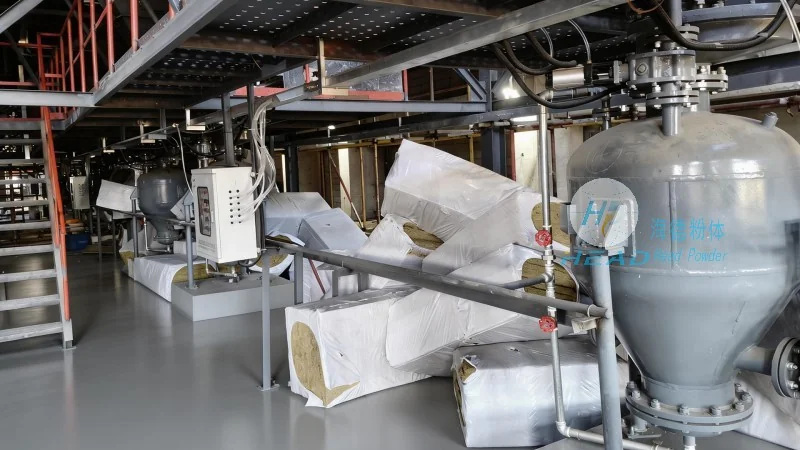
Effective sodium fluorosilicate material handling systems are characterized by several key features that enhance their performance and reliability. First and foremost, these systems are constructed from materials that are resistant to corrosion and chemical attack, such as stainless steel or specialized coatings. This is crucial because sodium fluorosilicate is a highly reactive chemical that can degrade or corrode standard materials over time. The use of corrosion-resistant materials ensures the longevity of the equipment and reduces maintenance costs. Second, the systems are designed with dust control measures to minimize the release of fine particles into the environment. This includes features like sealed hoppers, dust collection systems, and enclosed conveyor sections. Proper dust control not only improves workplace safety but also helps maintain compliance with environmental regulations. Third, the systems are equipped with advanced monitoring and diagnostic tools. These tools allow for real-time tracking of the material flow, temperature, and pressure, enabling early detection of potential issues. For example, sensors can alert operators to abnormal temperature changes or pressure drops, which may indicate a blockage or system malfunction. This proactive approach helps prevent breakdowns and reduces the risk of accidents. Fourth, the systems are designed for easy maintenance and cleaning. This includes features like removable components, easy-to-clean surfaces, and access panels that allow for quick inspection and maintenance. Regular cleaning is essential to prevent the buildup of sodium fluorosilicate residues, which can affect the system's performance and safety. Finally, the systems are compliant with international safety and environmental standards. This includes adherence to regulations such as OSHA (Occupational Safety and Health Administration) and EPA (Environmental Protection Agency) guidelines. Compliance with these standards ensures that the system operates safely and responsibly, protecting both workers and the environment.
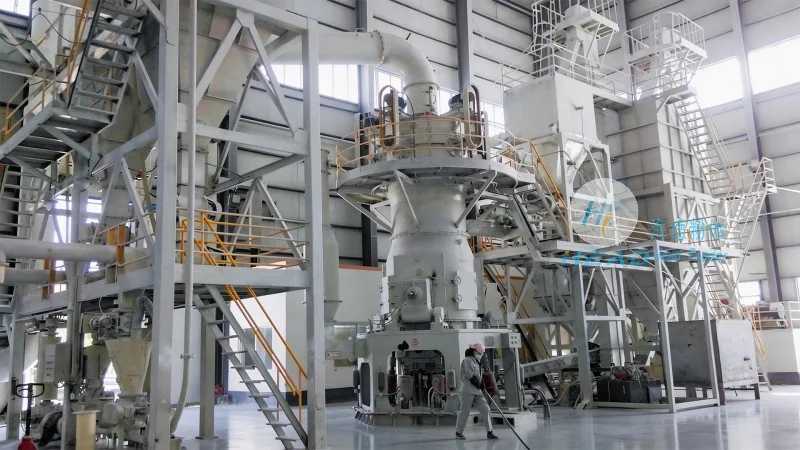
Sodium fluorosilicate material handling systems are widely used in various industries, including chemical manufacturing, water treatment, and glass production. In chemical manufacturing, these systems are used to transport sodium fluorosilicate to reactors or processing units, where it is used as a raw material for the production of other chemicals. In water treatment, the chemical is used to adjust the pH levels of water and to remove impurities, making the systems essential for maintaining water quality. In glass production, sodium fluorosilicate is used as a flux to lower the melting point of glass, and the material handling systems ensure that it is delivered to the glass furnaces efficiently. The benefits of using these systems extend beyond just efficient transport. They also contribute to improved safety, reduced environmental impact, and increased productivity. By minimizing the risk of spills and dust exposure, the systems help protect workers from health hazards. The dust control measures also reduce the environmental footprint of the operation. Additionally, the efficient design of the systems ensures that the material is transported with minimal waste, maximizing the use of the chemical and reducing costs. Overall, the adoption of sodium fluorosilicate material handling systems is a critical step for industries that rely on this chemical, as it ensures the safe and effective handling of the material throughout the production process.
Shandong HeadPowder Engineering Co., Ltd. offers comprehensive solutions for sodium fluorosilicate material handling, combining advanced technology with expert engineering. Their systems are designed to meet the specific needs of industrial applications, ensuring reliable and safe transport of the chemical. By leveraging their experience and commitment to quality, HeadPowder provides customers with systems that enhance productivity and compliance. For businesses seeking reliable material handling solutions for sodium fluorosilicate, Shandong HeadPowder Engineering Co., Ltd. is a trusted partner. Contact them today to learn more about their offerings and how they can help optimize your material handling processes.

 Shandong Headpowder Engineering Co., Ltd.
 156-6277-7102(Manager Zhang)
  0531-83386006
  Zhangqiu District, Jinan City, Shandong Province, China
telephone
WeChatconsult
top