

Working Principle and Features of Wool Material Conveying
Wool material conveying systems are essential in the textile industry, particularly for processing and transporting raw wool and wool-based products. Understanding the working principle and key features of such systems is crucial for optimizing production efficiency and maintaining product quality. This article provides an in-depth look at how wool material conveying operates and its distinguishing characteristics, tailored for professionals in the textile sector.
Introduction to Wool Material Conveying Systems
Wool material conveying involves the movement of raw wool, wool fibers, or wool-based materials from one processing stage to another within a textile manufacturing facility. The process typically begins with the collection of raw wool, which may be in bales or loose form, and ends with the delivery of processed wool to subsequent machinery like carding machines or spinning equipment. Effective conveying systems ensure that wool is handled gently to preserve its quality and reduce damage, which is vital for maintaining the integrity of the final textile products.
Working Principle of Wool Material Conveying
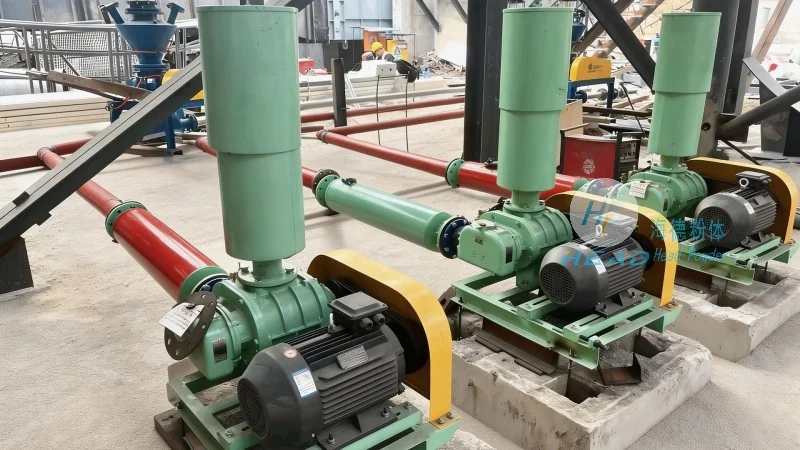
The core working principle of wool material conveying systems revolves around the use of specialized equipment designed to handle the unique properties of wool. These systems often incorporate a combination of components, including feeders, conveyors, and control mechanisms, to ensure smooth and efficient material flow. The process typically starts with the feeding of wool into the system, where it is then transported through a series of pathways, such as belts, rollers, or pneumatic tubes, depending on the specific design of the conveyor. Advanced systems may also include sensors and automation controls to monitor the flow rate, detect blockages, and adjust the conveying speed as needed.
Key Features of Wool Material Conveying Systems
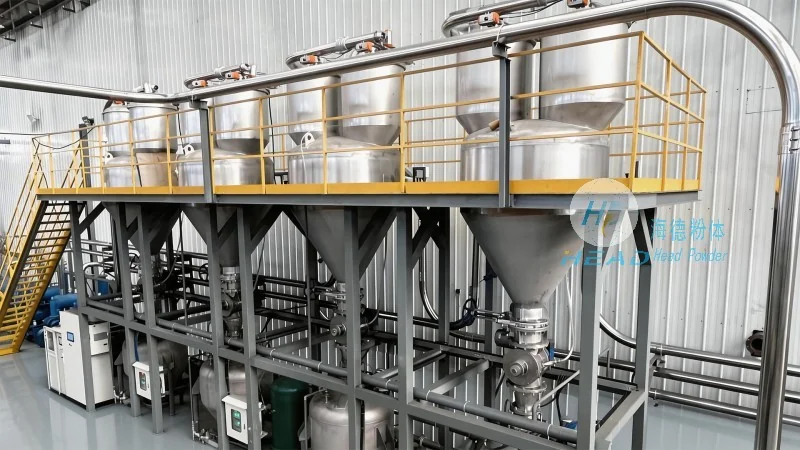
Wool material conveying systems are characterized by several key features that enhance their performance and adaptability in textile production. One of the primary features is the gentle handling of wool, which is achieved through the use of soft materials for the conveyor surfaces and low-speed operation to minimize fiber breakage and contamination. Another important feature is the flexibility in design, allowing systems to be customized to fit the specific layout and requirements of different textile plants. This adaptability includes the ability to handle various forms of wool, from baled to loose, and to integrate with existing production lines without significant modifications.
Company Profile: Shandong HeadPowder Engineering Co., Ltd.
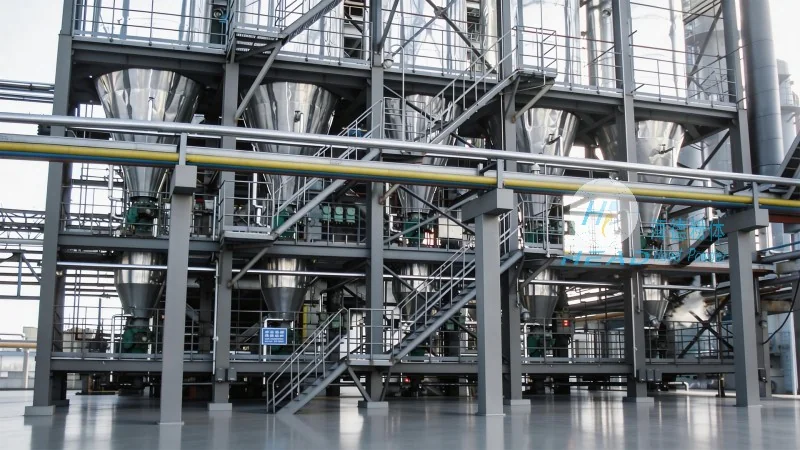
Shandong HeadPowder Engineering Co., Ltd., commonly known as HeadPowder, is a leading manufacturer of specialized conveying systems for the textile industry. With a focus on innovation and quality, the company has established itself as a trusted partner for businesses seeking efficient and reliable wool material conveying solutions. HeadPowder's headquarters is located in Shandong, China, where the company operates a state-of-the-art manufacturing facility equipped with advanced technology and skilled engineering teams. The company's commitment to customer satisfaction and product excellence has earned it a strong reputation in the global textile market.
Technical Advantages of HeadPowder's Wool Conveying Solutions
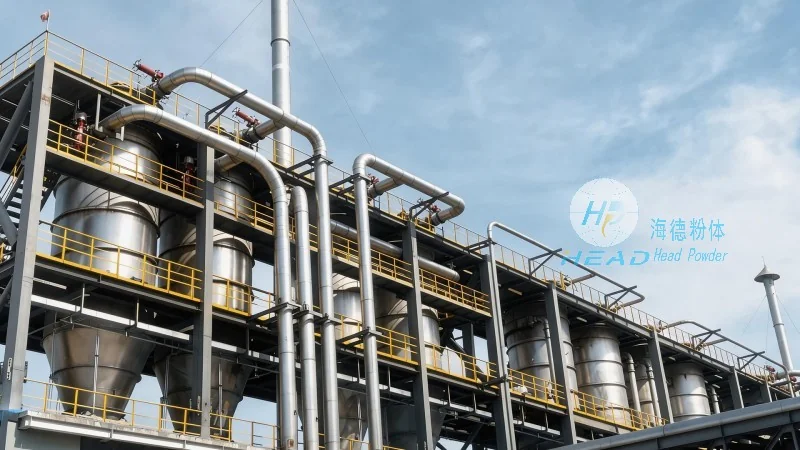
HeadPowder's wool material conveying systems offer several technical advantages that set them apart from conventional solutions. The company utilizes high-quality materials and precision engineering to ensure durability and long-term performance, reducing the need for frequent maintenance and replacement. Additionally, the systems are designed with energy efficiency in mind, incorporating advanced motor controls and optimized conveyor designs to minimize power consumption while maintaining high throughput rates. The integration of smart technology, such as real-time monitoring and predictive maintenance, further enhances the operational efficiency of the conveying systems, allowing for proactive management of potential issues.
Application Examples and Industry Impact
The effectiveness of wool material conveying systems, particularly those developed by HeadPowder, is evident in their application across various textile production processes. For instance, in wool spinning facilities, the conveying system ensures that raw wool is delivered to the carding machines at a consistent rate, which is critical for maintaining the quality of the spun yarn. Similarly, in wool processing plants, the system helps in the efficient transfer of wool from cleaning and sorting stages to the next processing steps, reducing downtime and improving overall productivity. The impact of these systems extends beyond individual plants, contributing to the broader efficiency and sustainability of the textile industry by minimizing waste and optimizing resource utilization.