With more than 10‑year industry experience, Shandong Headpowder delivers full‑service pneumatic‑conveying systems and blowers, undertaking nationwide turn‑key powder‑handling projects.
Gelatin, a protein derived from collagen, is a versatile ingredient widely used in food, pharmaceuticals, and other industries. Efficient and reliable material handling of gelatin is essential to maintain product quality, ensure operational efficiency, and meet the stringent requirements of various applications. Understanding the principles and characteristics of gelatin material handling is therefore critical for businesses that work with this substance.
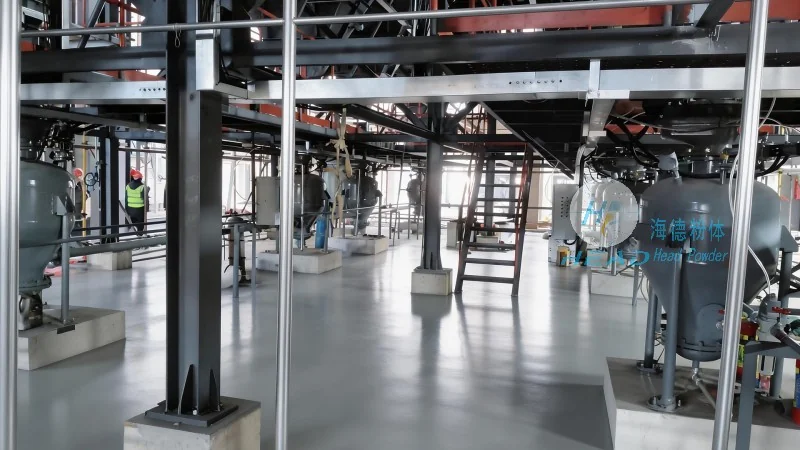
The fundamental principles of gelatin material handling revolve around managing the physical properties of gelatin, such as its viscosity, flowability, and tendency to clump or adhere to surfaces. These properties can vary significantly depending on the source of the gelatin, its processing method, and its intended use. The primary goal of handling systems is to transport gelatin from storage to processing or packaging areas without degradation, contamination, or loss.
Key principles include maintaining consistent temperature and moisture levels to prevent gelatin from solidifying or becoming overly viscous. Temperature control is particularly important, as gelatin can become too thick or solidify at low temperatures, making it difficult to convey. Conversely, high temperatures may cause premature gelation or degradation. Moisture management is also critical, as gelatin is hygroscopic and can absorb moisture from the air, leading to clumping or caking.
Another principle is the use of equipment designed to minimize mechanical stress on the gelatin. Abrasive or rough surfaces can damage the protein structure, affecting its functional properties. Therefore, handling systems often incorporate smooth, non-stick surfaces and gentle conveying mechanisms to preserve gelatin integrity.
Gelatin material handling typically employs a combination of storage, conveying, and processing equipment tailored to the specific characteristics of the gelatin product. Bulk storage is commonly done in silos or tanks, which are designed to maintain consistent temperature and moisture levels. These storage vessels are often insulated and equipped with agitators to prevent gelatin from settling or forming lumps.
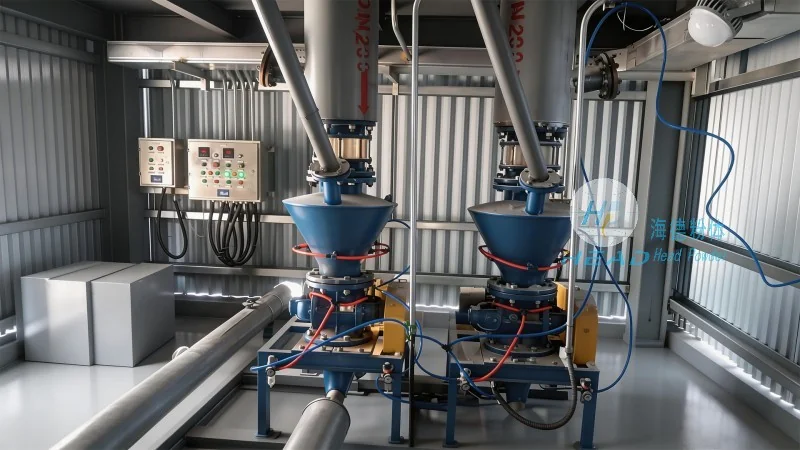
Pneumatic conveying systems are frequently used for transporting gelatin powders over long distances. These systems use compressed air to move the material through pipes, which is efficient for fine powders but may not be suitable for semi-solid or sticky gelatin forms. Mechanical conveying methods, such as screw conveyors or belt conveyors, are more versatile and can handle a wider range of gelatin types, including granules and pastes.
Screw conveyors, for example, use rotating screws to move gelatin through a closed tube. This method is effective for vertical or horizontal transport and can handle semi-solid gelatin without the need for additional equipment. Belt conveyors, on the other hand, are ideal for transporting larger quantities of gelatin over shorter distances, often used in conjunction with hoppers or feeders to regulate the flow rate.
Effective gelatin material handling systems exhibit several important characteristics that contribute to their performance and reliability. These include high efficiency in terms of throughput and energy consumption, minimal product loss or degradation during transport, and the ability to handle varying gelatin types without requiring extensive adjustments. Additionally, such systems are designed to be hygienic and easy to clean, which is critical in food and pharmaceutical applications where contamination control is paramount.
Another significant characteristic is the adaptability of the handling equipment to different processing stages. For instance, a system might start with bulk storage, then use a conveyor to move gelatin to a mixing or processing unit, and finally transfer it to packaging equipment. This integrated approach ensures smooth workflow and reduces the risk of bottlenecks or material buildup. The systems also often incorporate monitoring and control features to maintain consistent handling conditions, such as temperature and pressure, which directly impact gelatin quality.
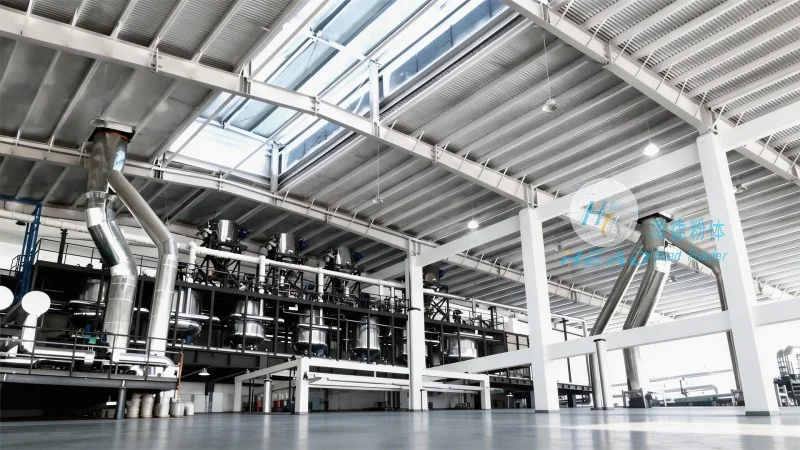
Hygienic design is a critical characteristic, as gelatin handling equipment must meet strict standards for cleaning and sanitation. Materials like stainless steel are commonly used for conveyor components, pipes, and storage vessels due to their resistance to corrosion and ease of cleaning. Additionally, the equipment is often designed with smooth surfaces and minimal crevices to prevent the accumulation of gelatin residue, which can harbor bacteria or other contaminants.
When implementing gelatin material handling solutions, several operational factors must be considered to optimize performance. Temperature control is a primary concern, as gelatin can become too viscous or solidify at low temperatures, making it difficult to transport. Conversely, high temperatures may cause premature gelation or degradation. Therefore, maintaining a stable temperature range is essential, often achieved through insulated storage and controlled conveying systems.
Moisture management is another critical aspect, as gelatin can absorb moisture from the air, leading to clumping or caking. Proper sealing of storage containers and the use of desiccants can help maintain the material's dryness. Additionally, the mechanical properties of the handling equipment, such as the material of the conveyor belts or pipes, must be compatible with gelatin to prevent adhesion or corrosion. For example, stainless steel is commonly used due to its resistance to corrosion and ease of cleaning.
Equipment maintenance is also a key operational consideration. Regular cleaning and inspection of conveying systems, storage vessels, and processing equipment are necessary to prevent contamination and ensure consistent performance. This includes checking for wear and tear on conveyor components, ensuring proper lubrication of moving parts, and verifying that temperature and moisture control systems are functioning correctly.
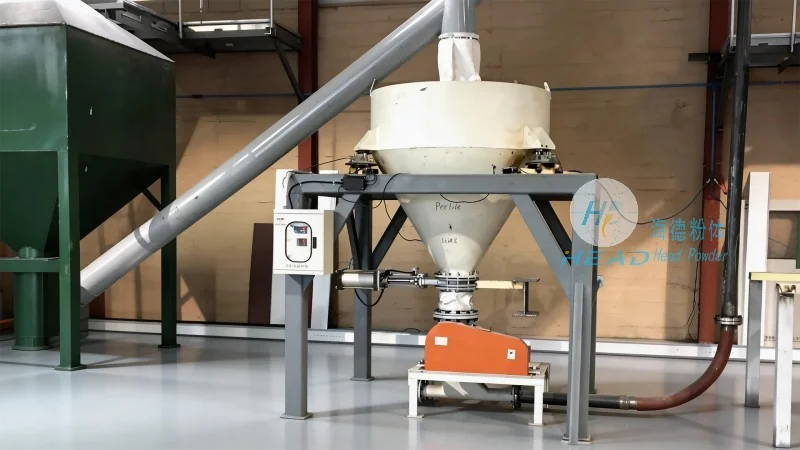
Modern gelatin material handling systems leverage advanced technologies to enhance efficiency and product quality. Automation and control systems allow for precise regulation of conveying speed, pressure, and temperature, ensuring consistent handling conditions. Sensors and monitoring devices can detect changes in gelatin properties in real-time, triggering adjustments to maintain optimal performance. Furthermore, the integration of data collection and analysis tools enables operators to track performance metrics and identify areas for improvement, leading to continuous optimization of the handling process.
These advanced technologies not only improve operational efficiency but also contribute to cost savings by reducing material waste and minimizing downtime due to equipment failures. For example, real-time monitoring of temperature and moisture levels can prevent gelatin from degrading, reducing the need for reprocessing or waste disposal. Additionally, automated control systems can adjust conveyor speeds based on the flow rate of gelatin, optimizing energy use and reducing operational costs.
Another advanced technology is the use of closed-loop systems, which minimize exposure to the environment and reduce the risk of contamination. These systems often include sealed containers and enclosed conveying lines, ensuring that gelatin remains in a controlled environment from storage to processing. This is particularly important in pharmaceutical applications, where product purity is non-negotiable.
In summary, gelatin material handling involves a combination of specialized equipment and careful operational practices to ensure the efficient and reliable transport of this valuable substance. The principles of maintaining temperature, moisture, and mechanical integrity, along with the characteristics of hygienic, adaptable, and efficient systems, are key to successful handling. As industries continue to rely on gelatin for diverse applications, the development of advanced handling technologies will play a crucial role in meeting the evolving demands for quality and efficiency. By implementing effective gelatin handling solutions, businesses can ensure consistent product quality, improve operational efficiency, and maintain compliance with industry standards.

 Shandong Headpowder Engineering Co., Ltd.
 156-6277-7102(Manager Zhang)
  0531-83386006
  Zhangqiu District, Jinan City, Shandong Province, China
telephone
WeChatconsult
top