With more than 10‑year industry experience, Shandong Headpowder delivers full‑service pneumatic‑conveying systems and blowers, undertaking nationwide turn‑key powder‑handling projects.
Spice material conveying systems are essential in the food processing industry, particularly for efficiently handling and transporting various condiments and seasonings. Understanding the working principle and key features of these systems is crucial for optimizing production processes and ensuring product quality. This article explores the fundamental mechanisms behind spice material conveying and highlights the distinctive characteristics that make such systems effective in industrial settings, as developed by Shandong HeadPowder Engineering Co., Ltd., a leading manufacturer based in China.
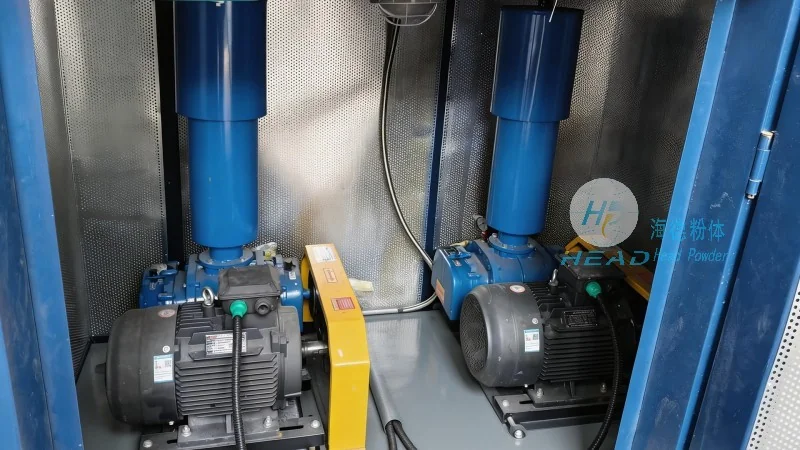
Spice material conveying systems are designed to transport dry, granular, or powdered materials like spices, herbs, and seasonings from one location to another within a processing facility. These systems are critical for maintaining hygiene, controlling material flow, and ensuring consistent product quality. The core components of a typical spice material conveying system include feed hoppers, conveyors (such as screw conveyors, belt conveyors, or pneumatic conveyors), control systems, and discharge mechanisms. Each component works in tandem to facilitate the smooth movement of materials while adhering to industry standards for food safety and handling. The systems are engineered to handle delicate and sensitive materials, minimizing the risk of damage or degradation during transport.
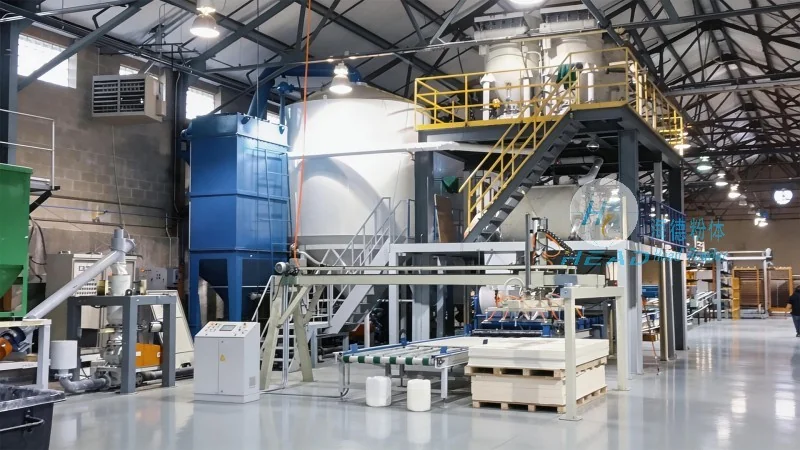
The working principle of spice material conveying systems revolves around the transfer of material through mechanical or pneumatic means. For mechanical conveyors, such as screw or belt conveyors, the process begins with the material being fed into a hopper. The hopper acts as a storage and feeding device, ensuring a consistent supply of material to the conveyor. As the material moves along the conveyor, it is propelled forward by rotating screws or moving belts, depending on the system design. This mechanical action allows for controlled and steady material transport, minimizing the risk of spillage or contamination. The screw conveyor, for example, uses a helical screw to push material forward, while the belt conveyor relies on a continuous belt to transport materials over a series of rollers. Pneumatic conveying systems, on the other hand, utilize air pressure to move materials through a network of pipes. In this method, the material is suspended in a stream of air and transported to the desired location. The air flow is regulated to maintain optimal velocity and pressure, ensuring efficient and gentle handling of delicate spice materials. This pneumatic approach is particularly suitable for fine powders that might be damaged by mechanical contact.
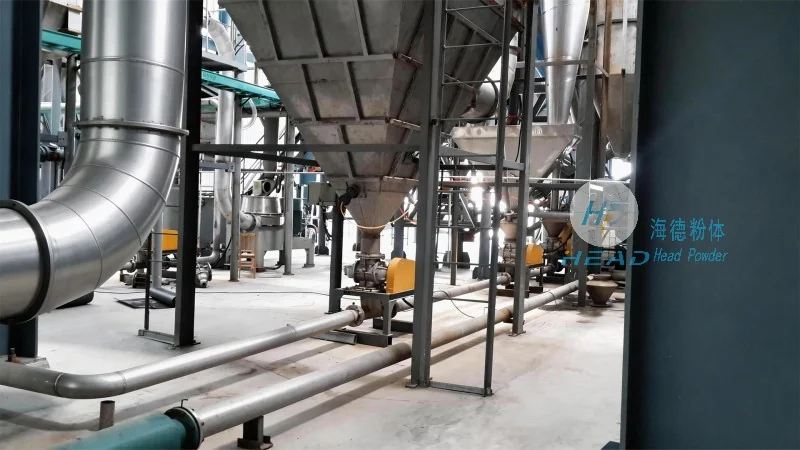
Several key features distinguish effective spice material conveying systems, making them suitable for demanding industrial applications. Firstly, these systems are designed with hygiene in mind, featuring smooth, easy-to-clean surfaces and components that prevent material buildup and contamination. Stainless steel construction is common, as it resists corrosion and maintains food safety standards. The use of sanitary fittings and seals further enhances the hygienic performance, ensuring that the materials remain uncontaminated throughout the conveying process. Secondly, the systems offer high efficiency and reliability, with minimal downtime and consistent performance. Advanced control systems allow for precise regulation of material flow rates, ensuring that production processes run smoothly without interruptions. These control systems may include variable frequency drives (VFDs) to adjust motor speeds and optimize energy consumption. Thirdly, flexibility is a critical feature, as spice material conveying systems can be adapted to handle a wide range of material types and sizes, from fine powders to coarse granules. This adaptability makes them versatile for various processing stages, such as blending, packaging, and storage. The ability to integrate with existing production lines is another advantage, allowing for seamless integration without major modifications. Additionally, energy efficiency is a key consideration, with modern systems incorporating energy-saving designs and motor controls to reduce operational costs. The use of efficient motors and optimized air flow in pneumatic systems contributes to lower energy consumption. Finally, safety features are integrated into the design, including overload protection, emergency stop mechanisms, and material containment measures to protect operators and the environment. These safety features comply with international safety standards, ensuring that the systems are safe to operate in industrial environments.
Spice material conveying systems find widespread application in the food processing industry, particularly in the production of seasonings, sauces, and other condiments. These systems are used in various stages of the production process, from raw material handling to final packaging. By efficiently transporting spices and seasonings, these systems help manufacturers maintain consistent product quality, reduce labor costs, and improve overall production efficiency. The ability to handle different material types and sizes makes them suitable for both small-scale and large-scale operations. For example, in a spice blending facility, a screw conveyor may be used to transport ground spices from storage to a mixing tank, while a pneumatic system transports powdered seasonings to a packaging line. The benefits of using spice material conveying systems extend beyond efficiency and hygiene; they also contribute to cost savings by reducing material waste and minimizing the need for manual handling, which can be labor-intensive and prone to errors. Furthermore, the consistent flow of materials ensures that production lines operate at optimal capacity, avoiding bottlenecks that could delay product delivery. The reliability of these systems also reduces maintenance costs, as modern designs incorporate durable components that require less frequent repairs.
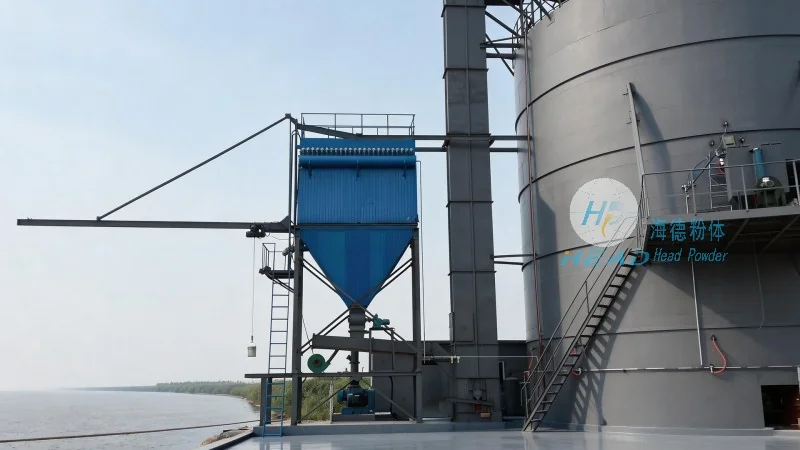
In conclusion, spice material conveying systems are vital components in the food processing industry, offering efficient, hygienic, and reliable solutions for handling and transporting condiments and seasonings. The working principle, which may involve mechanical or pneumatic methods, ensures that materials are moved safely and effectively. The key features, including stainless steel construction, advanced control systems, and flexibility, make these systems adaptable to various industrial needs. By understanding the working principle and features of spice material conveying systems, food manufacturers can optimize their production processes, enhance product quality, and stay competitive in the market. As the demand for high-quality condiments and seasonings continues to grow, the importance of efficient material handling systems like these will only increase, making them indispensable in modern food processing operations. The expertise of manufacturers like Shandong HeadPowder Engineering Co., Ltd. plays a crucial role in developing and implementing these systems, ensuring that they meet the evolving needs of the food industry while maintaining the highest standards of safety and performance.

 Shandong Headpowder Engineering Co., Ltd.
 156-6277-7102(Manager Zhang)
  0531-83386006
  Zhangqiu District, Jinan City, Shandong Province, China
telephone
WeChatconsult
top