With more than 10‑year industry experience, Shandong Headpowder delivers full‑service pneumatic‑conveying systems and blowers, undertaking nationwide turn‑key powder‑handling projects.
Loess material handling is a specialized field within material handling technology that focuses on the efficient and safe transportation of loess, a type of soil characterized by its fine particles and high plasticity. Understanding the working principle and key characteristics of loess material handling systems is crucial for industries such as construction, mining, and agriculture that rely on loess for various applications. This article provides an in-depth overview of how loess material handling works and highlights its essential features.
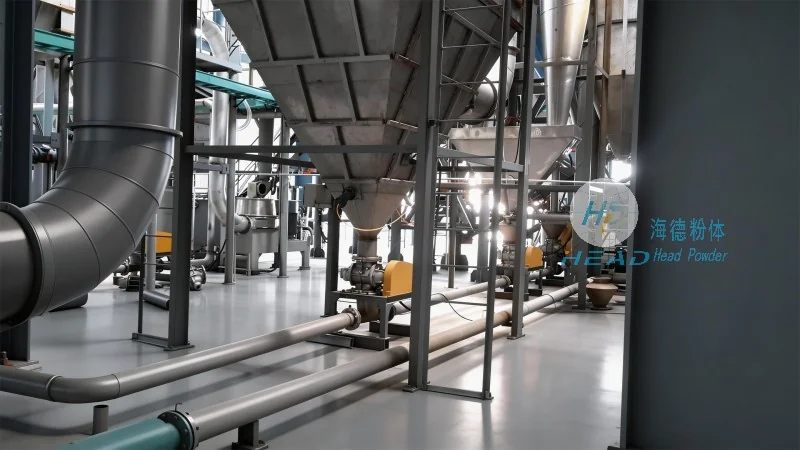
Loess, a sedimentary soil composed mainly of silt-sized particles, is widely used in construction for its excellent compressibility and bonding properties. However, its fine texture and cohesive nature present unique challenges during material handling. Traditional handling methods may not be suitable due to the risk of dust generation, caking, or equipment wear. Therefore, specialized equipment and techniques are employed to ensure efficient and safe loess transportation. The working principle of loess material handling systems typically involves several key components, including feeding mechanisms, conveying systems, and control systems, all designed to handle the specific properties of loess.
The core working principle of loess material handling systems revolves around the continuous movement of material from a source to a destination. The process generally starts with the feeding of loess into a hopper or feeder, where it is then conveyed through a series of components such as belts, buckets, or pneumatic systems. For loess, which is prone to dust and caking, the design of these systems must address these challenges. For instance, many loess handling systems incorporate dust suppression measures, such as water sprays or enclosed conveyors, to minimize airborne particles. Additionally, the conveying components are often made of materials resistant to abrasion and corrosion, as loess can be abrasive to metal surfaces. The control system monitors the flow rate, pressure, and other parameters to ensure smooth operation and prevent blockages or overloading. Overall, the working principle aims to maintain a consistent flow of loess while maintaining safety and efficiency.
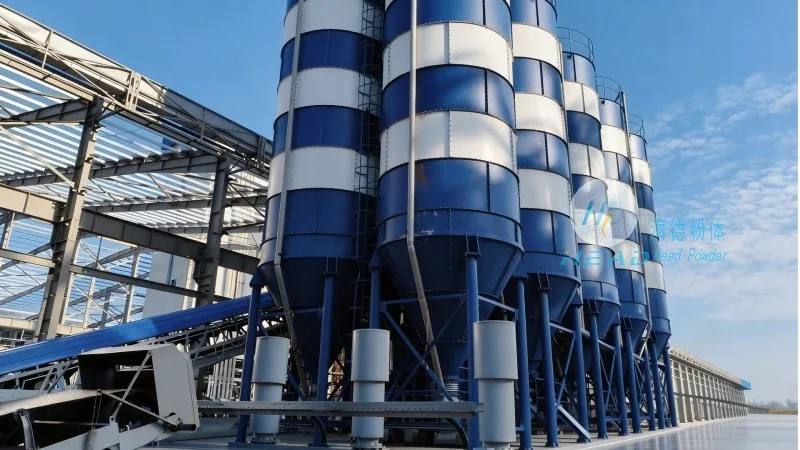
Several distinct characteristics define loess material handling systems, making them different from handling other materials. First, loess is highly cohesive and can form clumps, which requires specialized equipment to break up and maintain a free-flowing state. This often involves the use of agitators or vibrators in the feeding and conveying stages to prevent caking. Second, loess is prone to dust generation, necessitating dust control measures to comply with environmental regulations and ensure worker safety. Third, the material's fine particle size can lead to increased friction and wear on equipment, requiring durable components and regular maintenance. Fourth, loess has a relatively low bulk density compared to other materials, which affects the design of storage and conveying systems to optimize space and energy use. These characteristics collectively influence the selection and configuration of loess material handling equipment, ensuring that the system is tailored to the specific properties of loess.
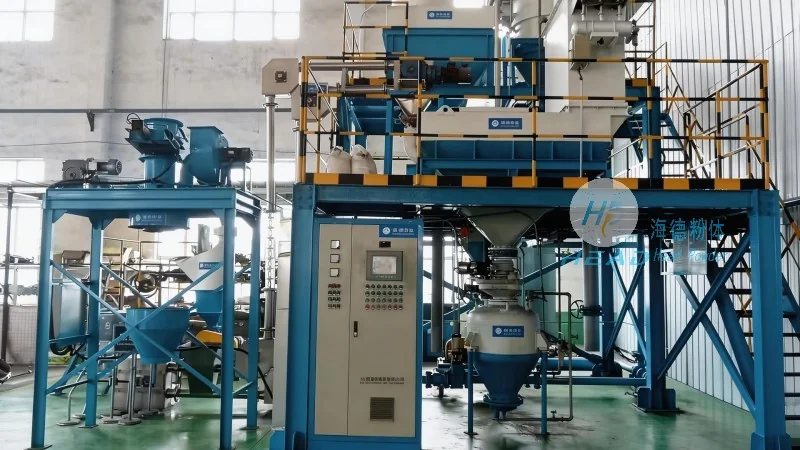
Loess material handling systems are widely used across various industries due to the versatility of loess in construction and other applications. In the construction industry, loess is commonly used as a raw material for bricks, tiles, and other building materials. The material handling systems ensure that loess is transported from quarries or storage facilities to production sites efficiently. In mining operations, loess may be encountered as overburden or part of the ore body, requiring specialized handling to separate and transport it. Agricultural applications also utilize loess material handling for soil management and fertilizer distribution. The adaptability of loess handling systems to these diverse applications underscores their importance in modern industrial processes.
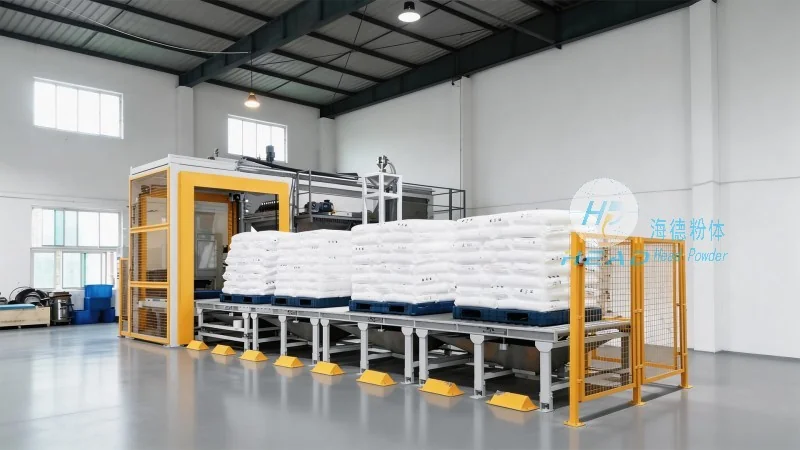
Employing specialized loess material handling solutions offers several advantages over generic material handling systems. The primary advantage is enhanced efficiency, as the equipment is designed specifically to handle the unique properties of loess, reducing downtime and increasing throughput. Second, specialized systems provide better control over dust and caking, leading to improved safety and compliance with environmental standards. Third, the use of durable components and advanced control systems results in lower maintenance costs and longer equipment lifespan. Fourth, the optimized design of loess handling systems reduces energy consumption, contributing to cost savings and environmental sustainability. These advantages make specialized loess material handling solutions a valuable investment for industries that rely on loess as a key material.
In conclusion, loess material handling systems operate based on a well-defined working principle that addresses the unique challenges posed by loess's physical properties. The key characteristics of these systems, including specialized feeding, dust control, and durable components, ensure efficient and safe material transportation. Industries such as construction, mining, and agriculture benefit significantly from the use of tailored loess handling solutions, which enhance productivity, safety, and environmental compliance. As the demand for loess in various applications continues to grow, the importance of advanced loess material handling technology will only increase, driving further innovation in the field.

 Shandong Headpowder Engineering Co., Ltd.
 156-6277-7102(Manager Zhang)
  0531-83386006
  Zhangqiu District, Jinan City, Shandong Province, China
telephone
WeChatconsult
top