With more than 10‑year industry experience, Shandong Headpowder delivers full‑service pneumatic‑conveying systems and blowers, undertaking nationwide turn‑key powder‑handling projects.
Understanding the working principle and characteristics of dry sand powder conveying systems is crucial for industries that rely on efficient material handling. These systems are designed to transport dry, granular materials like sand efficiently and reliably, ensuring minimal loss and optimal performance. The following sections delve into the technical aspects, operational features, and key advantages of such systems, providing a comprehensive overview for professionals in the field.
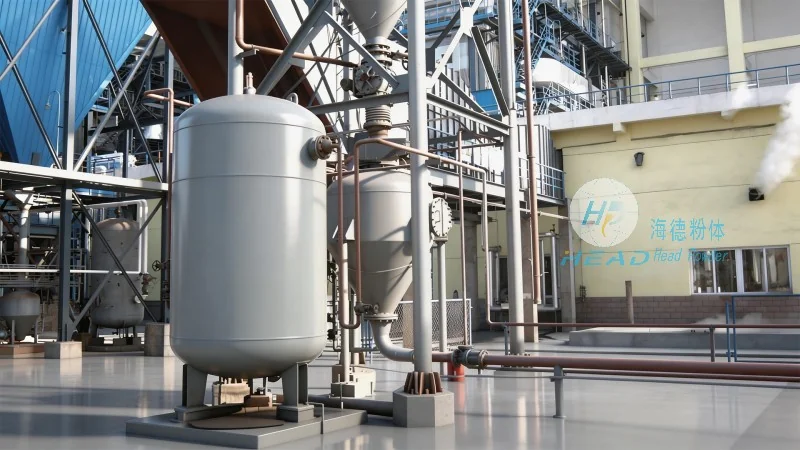
Dry sand powder conveying systems typically operate on the principle of pneumatic or mechanical transport, depending on the specific application and material properties. Pneumatic conveying, for instance, uses air pressure to move dry sand particles through a pipeline. The system comprises a hopper, a conveyor line, and a receiver, with the dry sand being fed into the hopper and then propelled by compressed air through the pipeline to the destination. This method is particularly effective for fine or dusty materials, as it minimizes dust dispersion and ensures a clean transfer process. Mechanical conveying, on the other hand, employs rotating components like screws or belts to move the dry sand, which is suitable for bulkier or more abrasive materials. Both methods are engineered to handle the unique challenges posed by dry sand, such as its tendency to settle or clump, by incorporating features like vibration or agitation to maintain flow.
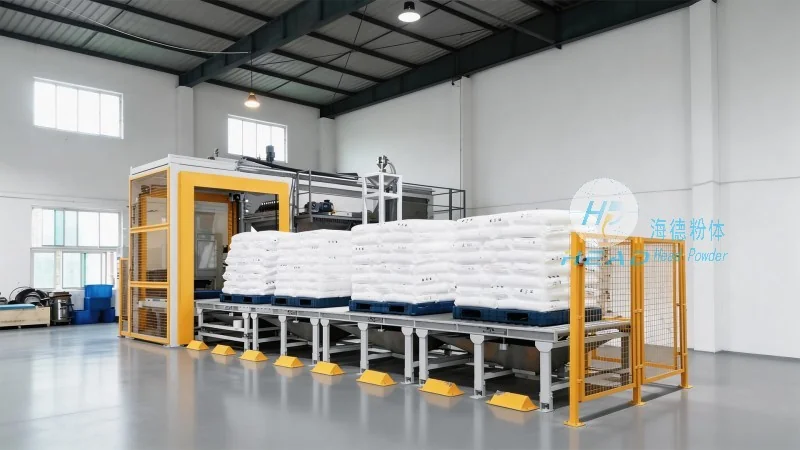
Several distinct characteristics define the performance and applicability of dry sand powder conveying systems. Firstly, efficiency in material transport is a primary feature, as these systems are designed to move large volumes of dry sand with minimal energy consumption. The use of optimized pipeline designs and air flow management ensures that the conveying process is both rapid and economical. Secondly, environmental friendliness is a significant characteristic, as pneumatic systems, in particular, can be equipped with dust collection and filtration systems to prevent air pollution and maintain a safe working environment. This is especially important in industries where dust control is a regulatory requirement. Thirdly, versatility in application is another key characteristic, as dry sand powder conveying systems can be adapted to various industrial settings, from construction sites to manufacturing facilities, by adjusting the system's capacity, pressure, and material handling capabilities. Additionally, the systems are built for durability and low maintenance, with robust components that can withstand the abrasive nature of dry sand, reducing downtime and operational costs.
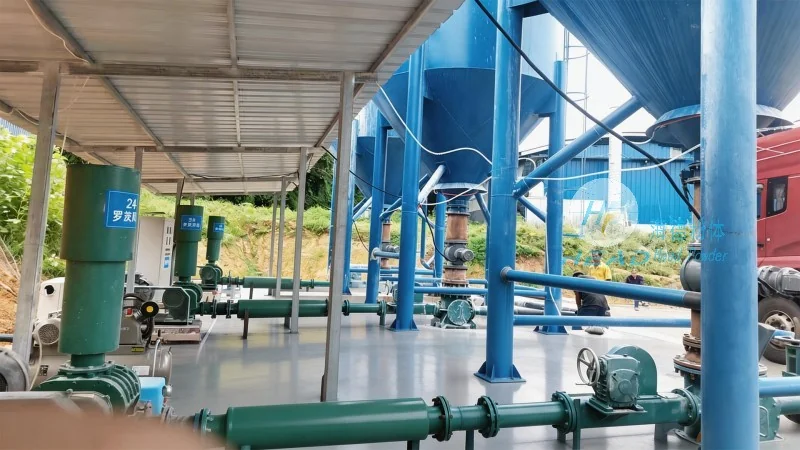
Shandong HeadPowder Engineering Co., Ltd., operating under the brand name headpowder, is a leading provider of advanced dry sand powder conveying solutions. With a focus on innovation and customer satisfaction, the company specializes in designing and manufacturing systems tailored to the specific needs of its clients. HeadPowder's expertise lies in integrating cutting-edge technology with practical engineering solutions, ensuring that their dry sand powder conveying systems meet the highest standards of performance and reliability. The company's headquarters is located in Shandong, China, where it leverages local resources and industry knowledge to deliver top-tier products and services to a global market. By combining years of experience in material handling and a commitment to quality, HeadPowder has established itself as a trusted partner for industries seeking efficient and sustainable dry sand transport solutions.

 Shandong Headpowder Engineering Co., Ltd.
 156-6277-7102(Manager Zhang)
  0531-83386006
  Zhangqiu District, Jinan City, Shandong Province, China
telephone
WeChatconsult
top