With more than 10‑year industry experience, Shandong Headpowder delivers full‑service pneumatic‑conveying systems and blowers, undertaking nationwide turn‑key powder‑handling projects.
Shandong HeadPowder Engineering Co., Ltd., a leading manufacturer in the field of material handling and processing, specializes in the design, development, and supply of advanced pneumatic conveying systems. Among their product portfolio, the Molybdenum Oxide Pneumatic Conveying System stands out as a high-performance solution tailored for the efficient transport of molybdenum oxide and related powders. This article delves into the working principle and key features of this system, highlighting its technical advantages and practical applications.
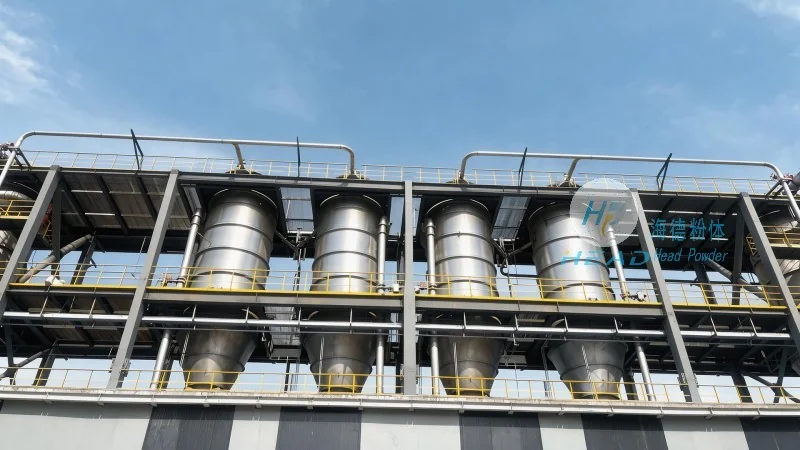
The Molybdenum Oxide Pneumatic Conveying System operates on the fundamental principle of pneumatic transport, which involves the use of compressed air to move bulk materials through a pipeline. In this system, molybdenum oxide powder is introduced into a hopper or feeder, where it is then drawn into the conveying line by a vacuum or pressure differential created by the air flow. The system typically consists of several key components, including a feeder, a conveying line, a separator, and a receiver. The feeder controls the flow rate of the material, ensuring a consistent and controlled discharge into the pipeline. The conveying line, often made of stainless steel or other corrosion-resistant materials, transports the powder under the influence of the air stream. A separator, such as a cyclone or bag filter, is used to separate the powder from the air at the end of the line, allowing the molybdenum oxide to be collected in a receiver. This process minimizes dust generation and ensures a clean, efficient transfer of the material. The system can operate in either vacuum or pressure mode, depending on the specific requirements of the application.
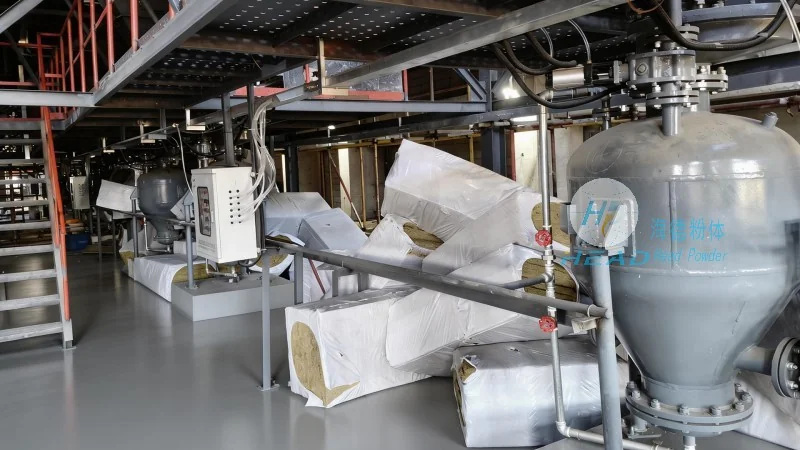
One of the primary features of the Molybdenum Oxide Pneumatic Conveying System is its ability to handle fine powders with high efficiency and minimal degradation. The system is designed to maintain the integrity of the molybdenum oxide particles, preventing agglomeration or breakage during transport. This is achieved through the use of appropriate air velocities and pipeline diameters, which are optimized to match the properties of the material. Another significant advantage is the system's ability to operate in a closed loop, reducing dust emissions and improving workplace safety. The closed system also helps to maintain the purity of the molybdenum oxide, as it is protected from contamination by external air or particles. Additionally, the system is highly flexible and can be customized to meet the specific needs of different industrial applications. It can be integrated with other processing equipment, such as mixers, classifiers, or storage silos, to form a complete material handling solution. The system's control system is user-friendly, allowing operators to adjust parameters such as flow rate, pressure, and air volume with ease. This ensures optimal performance and reduces the risk of operational errors. Furthermore, the system is built with durability and reliability in mind, using high-quality materials and components that are resistant to corrosion and wear. This results in a long service life and low maintenance costs, making it a cost-effective solution for industrial use.
The Molybdenum Oxide Pneumatic Conveying System is widely used in various industrial sectors, including chemical manufacturing, metallurgy, and pharmaceuticals. In chemical plants, it is used to transport molybdenum oxide for the production of molybdenum compounds, such as molybdenum disulfide and molybdenum trioxide. The system's ability to handle fine powders efficiently makes it ideal for these applications, where consistent material flow is critical. In metallurgical plants, the system is used to transport molybdenum oxide for the production of molybdenum alloys and other metal products. The system's closed loop design helps to maintain the purity of the material, which is essential for high-quality metal production. In pharmaceutical applications, the system is used to transport molybdenum oxide for the production of pharmaceutical intermediates and other drug substances. The system's ability to minimize dust generation and maintain material purity makes it suitable for these sensitive applications. The benefits of using the Molybdenum Oxide Pneumatic Conveying System extend beyond just material transport. It also improves operational efficiency by reducing downtime and maintenance costs. The system's flexibility allows it to adapt to changing production needs, making it a valuable asset for any industrial facility. Furthermore, the system's reliability ensures consistent performance, which is crucial for maintaining production schedules and meeting quality standards.
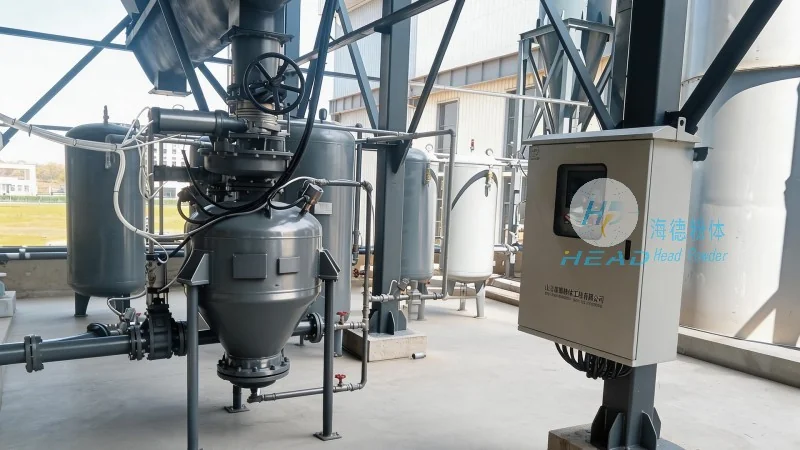
Shandong HeadPowder Engineering Co., Ltd. offers a comprehensive range of pneumatic conveying systems, with the Molybdenum Oxide Pneumatic Conveying System being a prime example of their expertise in material handling technology. The system's working principle, based on pneumatic transport, combined with its key features such as fine powder handling, closed loop operation, and customization options, makes it an ideal solution for the efficient and safe transport of molybdenum oxide. The company's commitment to quality and innovation ensures that their systems meet the highest standards of performance and reliability. For industries dealing with molybdenum oxide and other fine powders, this system represents a reliable and cost-effective choice for material transport, contributing to improved productivity and operational efficiency.

 Shandong Headpowder Engineering Co., Ltd.
 156-6277-7102(Manager Zhang)
  0531-83386006
  Zhangqiu District, Jinan City, Shandong Province, China
telephone
WeChatconsult
top