With more than 10‑year industry experience, Shandong Headpowder delivers full‑service pneumatic‑conveying systems and blowers, undertaking nationwide turn‑key powder‑handling projects.
Efficient and reliable powder conveying is a critical process in many industrial applications, especially when dealing with lightweight and irregularly shaped materials like foam plastics. The proper handling of foam plastic powders requires specialized equipment and understanding of the underlying principles to ensure optimal performance and safety. This article explores the fundamental principles of foam plastic powder conveying and highlights the key characteristics of its working scenes, providing insights into how these systems operate and where they are most effectively applied.
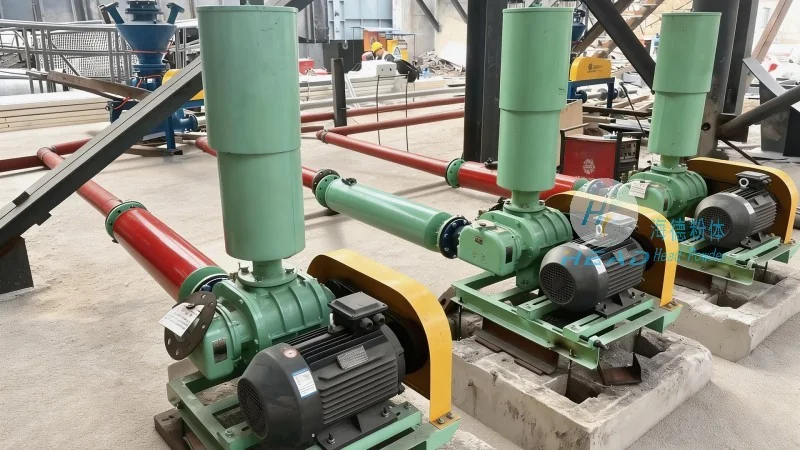
The core principle of foam plastic powder conveying involves the movement of particulate materials through a system using either pneumatic (air-driven) or mechanical means. For foam plastics, which are typically lightweight and have a low bulk density, pneumatic conveying is often preferred due to its ability to handle fine powders and minimize material degradation. The process generally starts with the material being fed into a hopper or feeder, where it is then transported through a pipeline by a stream of air or gas. The air velocity is carefully controlled to ensure that the powder particles are suspended and transported without clogging or excessive pressure drops.
Key components of a typical foam plastic powder conveying system include the feed hopper, conveyor line (often with flexible hoses or rigid pipes), air supply unit (blower or compressor), and control valves. The feed hopper ensures a consistent flow of material, while the conveyor line provides the path for the powder-air mixture. The air supply unit generates the necessary pressure and flow rate to move the material, and control valves regulate the air and material flow to maintain system efficiency. The design of these components is crucial, as they must be compatible with the specific properties of foam plastics, such as their low density, high porosity, and potential for static charge accumulation.
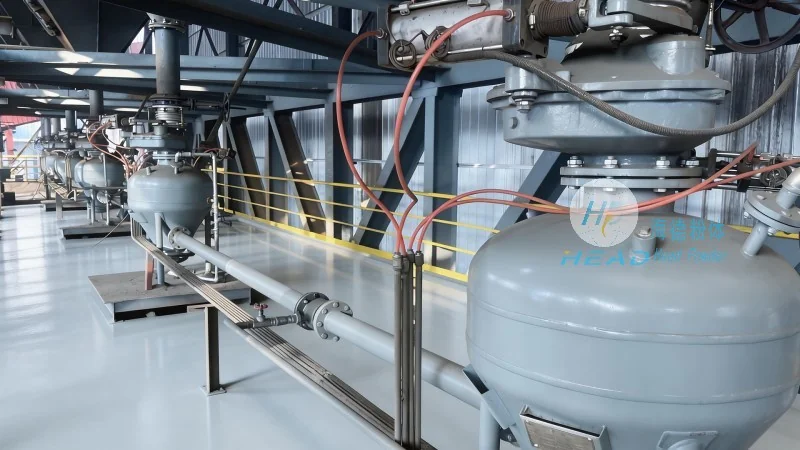
The working scene characteristics of foam plastic powder conveying systems vary significantly based on the application and industry. In manufacturing environments, these systems are commonly used in the production of foam plastic products, where raw materials need to be transported from storage to processing equipment. For example, in the automotive industry, foam plastics are used for interior components, and conveying systems ensure that the raw powder is delivered to molding machines efficiently. The working scene in such cases is characterized by high-volume, continuous operation and the need for precise control over material flow to maintain product quality.
In the packaging industry, foam plastic powders are used for cushioning and protective packaging materials. The conveying systems here must handle materials that may be mixed with other additives or have varying particle sizes. The working scene is often characterized by batch processing and the need for flexibility in handling different product types. Additionally, the systems must be designed to minimize dust generation and ensure compliance with environmental regulations, as foam plastics can produce fine particles that may be hazardous if not properly contained.

In the construction and insulation sectors, foam plastic powders are used for thermal and acoustic insulation applications. The conveying systems in these industries operate in larger, more open environments and may need to handle materials over longer distances. The working scene characteristics include the need for durability and resistance to environmental factors, such as moisture or temperature fluctuations. The systems are often integrated with other processing equipment, such as mixers or spray applicators, to form a complete production line. The efficiency of the conveying system directly impacts the overall productivity of the construction or insulation project, as delays in material delivery can lead to significant downtime.
Shandong HeadPowder Engineering Co., Ltd., a leading provider of powder handling solutions, specializes in designing and manufacturing systems tailored to the unique needs of foam plastic powder conveying. With years of experience in the industry, HeadPowder has developed advanced technologies that address the challenges associated with handling lightweight and irregular materials. The company's solutions include customized pneumatic conveying systems, material feeders, and control systems that ensure reliable and efficient operation. By leveraging their expertise in material science and engineering, HeadPowder helps clients optimize their production processes and improve overall efficiency. The company's commitment to quality and innovation has made it a trusted partner for businesses in various industries, including manufacturing, packaging, and construction.

 Shandong Headpowder Engineering Co., Ltd.
 156-6277-7102(Manager Zhang)
  0531-83386006
  Zhangqiu District, Jinan City, Shandong Province, China
telephone
WeChatconsult
top