

Calcium Carbide Dust Pneumatic Conveying: Exploring Its Function and Design Principles
Calcium carbide dust, a byproduct of the calcium carbide production process, requires efficient handling and transportation. Pneumatic conveying systems have emerged as a reliable solution for managing this fine powder, offering advantages such as reduced dust exposure, improved safety, and enhanced operational efficiency. This article delves into the concept of calcium carbide dust pneumatic conveying, elucidating its operational mechanisms and design principles.
Understanding Calcium Carbide Dust and Its Handling Challenges
Calcium carbide (CaC₂) is produced through the reaction of calcium oxide with carbon in an electric arc furnace. The resulting product often contains fine dust particles that pose challenges during storage, transport, and disposal. Traditional methods like bagging or manual handling can lead to dust dispersion, health hazards, and environmental contamination. Pneumatic conveying addresses these issues by utilizing air pressure to transport the dust in a closed system, minimizing exposure and ensuring safe material transfer.
Pneumatic Conveying Systems: Core Components and Working Principles
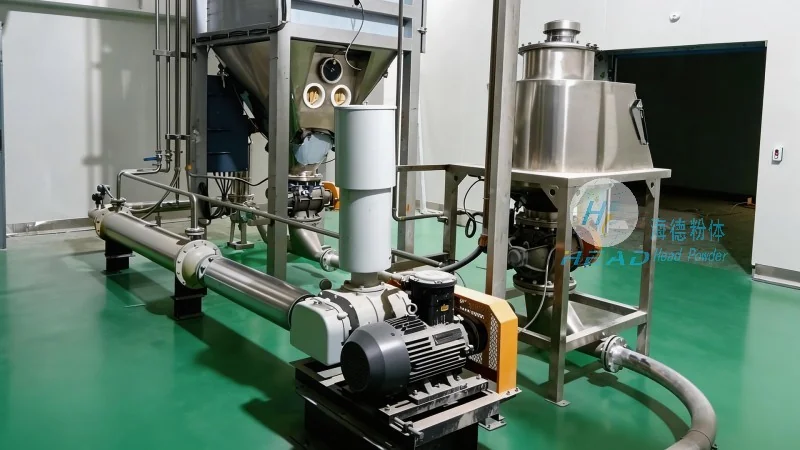
A pneumatic conveying system for calcium carbide dust typically consists of several key components. The primary elements include a dust collector, a conveying line (often flexible or rigid), a blower or air compressor, and a discharge hopper. The process begins with the dust being drawn into the system via the dust collector, where it is separated from the air stream. The air, now carrying the dust particles, is then propelled through the conveying line by the blower. The velocity and pressure within the line ensure that the dust remains suspended and transported to the discharge point. At the receiving end, the dust is separated from the air, often through a cyclone separator or a filter, and collected in the discharge hopper.
Design Principles for Optimal Calcium Carbide Dust Conveying
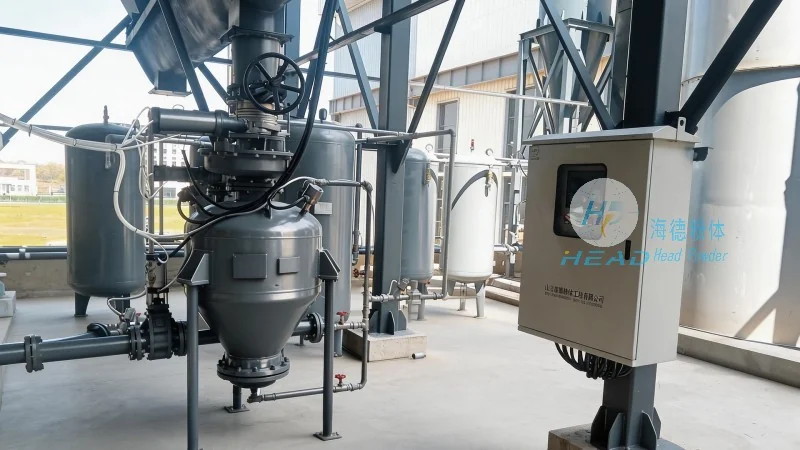
The design of a pneumatic conveying system for calcium carbide dust must consider several critical factors to ensure efficiency and reliability. First, the system must be capable of handling the specific properties of the dust, including its particle size distribution, density, and moisture content. The particle size is particularly important, as finer particles require higher air velocities to remain suspended. The system design must also account for the dust's potential to agglomerate, which can affect flow characteristics and system performance. Additionally, the material of construction is crucial, as calcium carbide dust can be corrosive and abrasive. Materials like stainless steel or specialized alloys are often used for components that come into direct contact with the dust to prevent wear and corrosion.
Advantages of Pneumatic Conveying for Calcium Carbide Dust Management
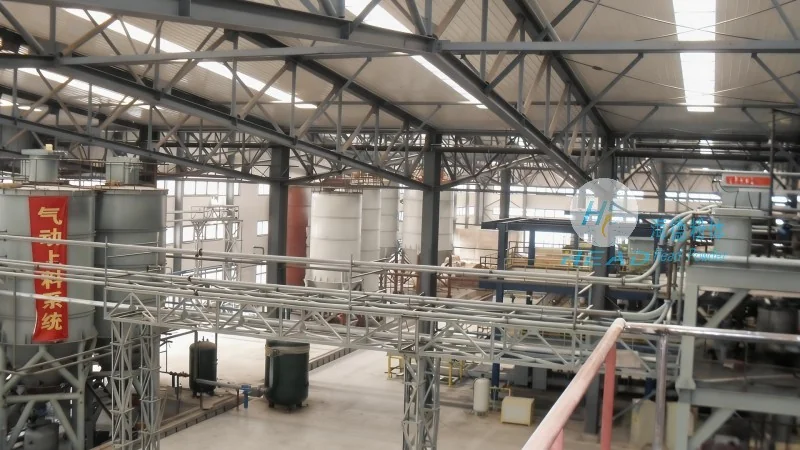
Implementing a pneumatic conveying system for calcium carbide dust offers numerous benefits. One of the most significant advantages is the reduction of dust exposure for personnel, enhancing workplace safety. The closed system design minimizes environmental contamination, making it more environmentally friendly compared to open handling methods. Furthermore, pneumatic conveying systems can improve operational efficiency by automating the material transfer process, reducing labor costs and minimizing downtime. The flexibility of the system allows for easy integration with existing production lines and can be scaled to accommodate varying production volumes. Shandong HeadPowder Engineering Co., Ltd., a leading provider in this field, specializes in designing and implementing such systems tailored to the specific needs of calcium carbide production facilities.
Applications and Industry Relevance
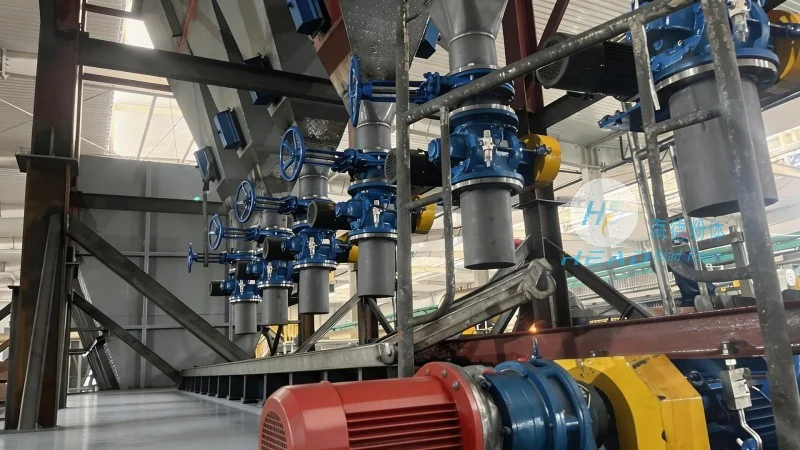
The application of pneumatic conveying for calcium carbide dust is primarily within the chemical and industrial sectors. Calcium carbide is used in various industries, including steel production, as a source of acetylene gas. The efficient handling of its dust is essential for maintaining production continuity and meeting regulatory standards. The systems are also used in research and development settings where precise control over dust flow is required. The technology's adaptability makes it suitable for both small-scale and large-scale operations, catering to the diverse needs of the industry.
Conclusion
Pneumatic conveying of calcium carbide dust represents a sophisticated solution to the challenges associated with handling fine powders. By understanding the design principles and operational mechanisms of such systems, industries can enhance their material handling processes, improve safety, and reduce environmental impact. As technology advances, further optimizations in system design and material selection will likely improve the efficiency and reliability of calcium carbide dust pneumatic conveying, supporting sustainable industrial practices.