

What is the Pneumatic Conveying of Furfural Ash Slag Powder? And What Are the Design Principles?
Furfural ash slag powder pneumatic conveying is a specialized process used to transport fine powders like furfural ash slag through a pipeline using air or other gas as the conveying medium. This method is crucial in industrial applications where traditional bulk material handling may be inefficient or impractical. The process involves generating a flow of air within the pipeline that lifts and transports the powder particles from the source to the destination. Understanding the fundamentals of this technology, along with its design principles, is essential for optimizing material handling efficiency and ensuring system reliability.
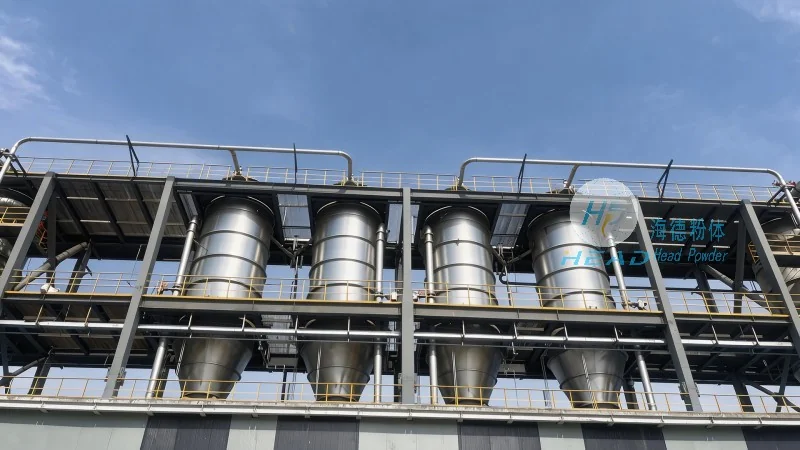
HeadPowder: A Leading Engineering Solution Provider
HeadPowder, operating as Shandong HeadPowder Engineering Co., Ltd., is a prominent engineering firm based in China. With a strong presence in the material handling industry, HeadPowder specializes in the design, development, and implementation of advanced pneumatic conveying systems. The company leverages extensive technical expertise and industry experience to deliver tailored solutions for diverse industrial needs, including the handling of challenging materials like furfural ash slag. HeadPowder's commitment to quality, innovation, and customer satisfaction has established it as a trusted partner in the field of powder processing and material transport.
Understanding Pneumatic Conveying Systems
Pneumatic conveying systems are categorized into two primary types: positive pressure (or pressure) systems and negative pressure (or vacuum) systems. Positive pressure systems use a blower or fan to generate air pressure that pushes the material through the pipeline, while negative pressure systems employ a vacuum pump to create a suction effect that draws the material into the pipeline. The choice between these systems depends on factors such as the material's properties, the distance to be conveyed, and the desired system configuration. For furfural ash slag, which is typically a fine, abrasive powder, positive pressure systems are often preferred due to their ability to handle high material loads and provide consistent flow rates.
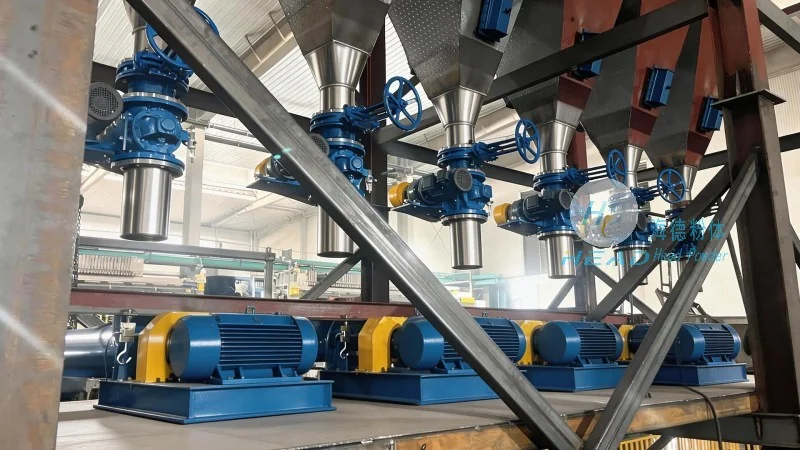
Key Design Principles for Furfural Ash Slag Powder Conveying
The design of a pneumatic conveying system for furfural ash slag powder involves several critical principles aimed at ensuring efficient and reliable operation. First, the selection of the appropriate conveying system type (positive or negative pressure) is based on the material's flow characteristics, particle size distribution, and the required conveying distance. For furfural ash slag, which is a fine powder with potential for caking or agglomeration, positive pressure systems are generally more effective as they can maintain a consistent air flow and prevent material buildup in the pipeline.
Second, the design must consider the material's physical properties, including its density, moisture content, and abrasiveness. These factors influence the choice of equipment such as the blower or vacuum pump, the size and material of the conveying pipeline, and the type of separation and filtration equipment. For example, abrasive furfural ash slag may require high-quality, wear-resistant materials for the pipeline and components to extend the system's lifespan and reduce maintenance costs.
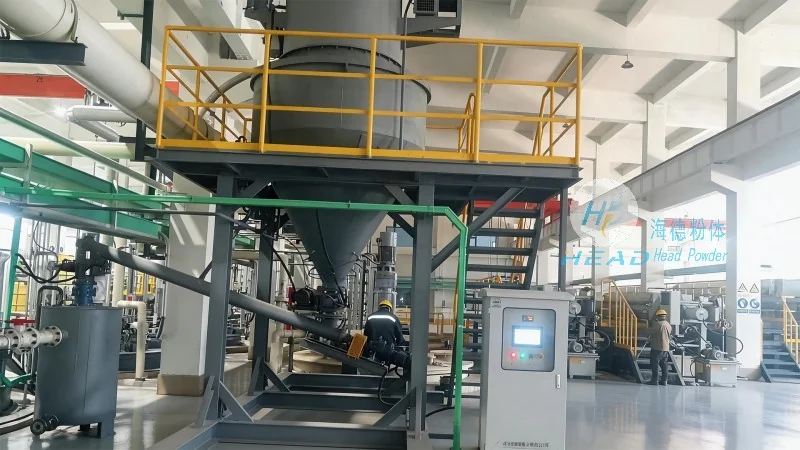
System Components and Their Functions
A typical pneumatic conveying system for furfural ash slag powder includes several key components, each playing a vital role in the overall operation. The primary components are the material feed system, the conveying pipeline, the air delivery system (blower or vacuum pump), the separation and filtration system, and the control system. The material feed system, often a hopper or feeder, ensures a consistent and controlled supply of furfural ash slag into the pipeline. The conveying pipeline, typically made of metal or plastic, transports the material and air mixture from the source to the destination. The air delivery system generates the necessary pressure or vacuum to move the material. The separation and filtration system, including cyclones and filters, removes the material from the air stream and collects it in a storage bin or processing unit. The control system monitors and regulates the operation of the entire system, ensuring optimal performance and safety.
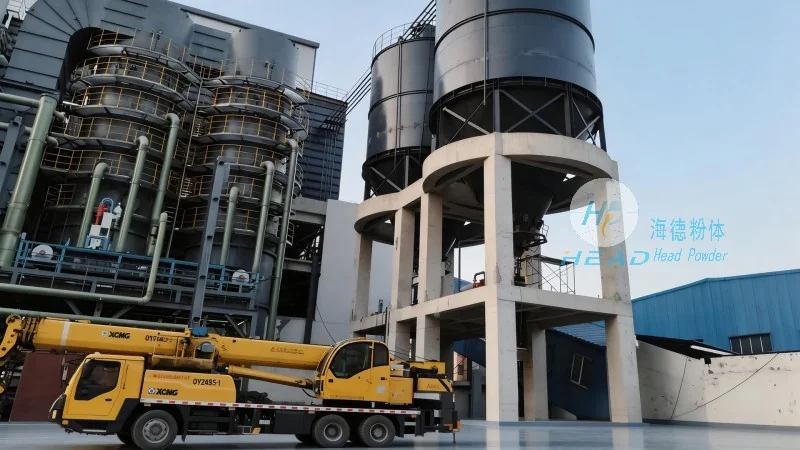
Optimizing Conveying Efficiency and Reliability
Optimizing the performance of a furfural ash slag powder pneumatic conveying system involves careful consideration of several factors. One critical aspect is the air velocity within the pipeline, which must be sufficient to lift and transport the powder particles without causing excessive wear or energy consumption. The design of the pipeline, including its diameter and length, is optimized to balance material flow rate with energy efficiency. Additionally, the system's control strategy, which may include variable speed drives for the blower or pump, allows for adjustments based on changing material conditions or operational requirements, enhancing overall efficiency and reducing operational costs.
HeadPowder's Expertise in Furfural Ash Slag Handling
HeadPowder, with its headquarters in Shandong, China, brings a wealth of experience and technical expertise to the design and implementation of pneumatic conveying systems for furfural ash slag. The company's engineers work closely with clients to understand their specific material handling challenges and develop customized solutions that meet their operational needs. By leveraging advanced engineering principles and state-of-the-art equipment, HeadPowder ensures that its pneumatic conveying systems are not only efficient and reliable but also cost-effective and sustainable. The company's commitment to quality and customer satisfaction has made it a preferred choice for industries dealing with challenging materials like furfural ash slag, where effective material transport is essential for operational success.