

What is Silicate Glass Powder Pneumatic Conveying? What Are the Design Principles?
Understanding the technology of silicate glass powder pneumatic conveying is crucial for industries that handle fine powders, such as the glass manufacturing sector. This method involves transporting dry powder materials through a pipeline using air or other gas as the conveying medium. The design principles behind this system are tailored to ensure efficient, reliable, and safe material transport, addressing the unique challenges posed by silicate glass powders.
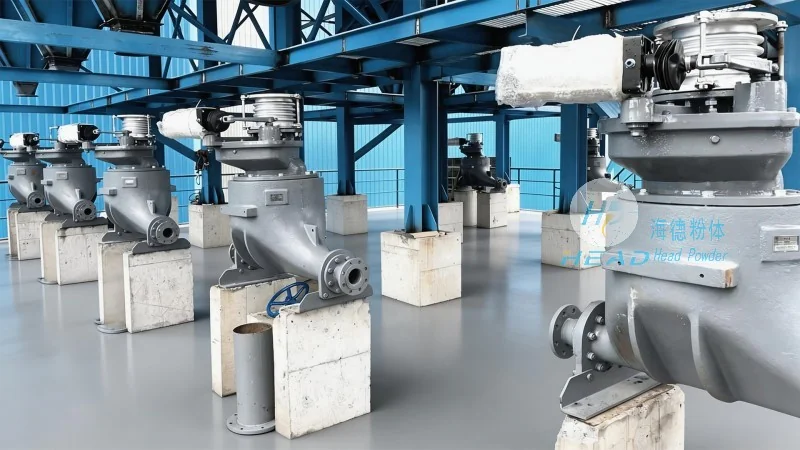
Introduction to Silicate Glass Powder Pneumatic Conveying
Silicate glass powder pneumatic conveying is a specialized form of pneumatic transport used to move fine glass powders, which are often used in the production of glass products, ceramics, and other related materials. Unlike traditional bulk material handling methods, this technique relies on the pressure or vacuum created by a conveying air stream to move the powder through a system of pipes and components. The process is particularly suitable for materials that are light, dusty, or have a tendency to agglomerate, making it an ideal solution for handling silicate glass powders that require precise control and minimal degradation.
Key Design Principles of Silicate Glass Powder Pneumatic Conveying Systems
The design of a silicate glass powder pneumatic conveying system is based on several critical principles that ensure optimal performance. These principles include maintaining consistent air flow rates, controlling the pressure differentials within the system, and selecting appropriate equipment that minimizes material degradation and system wear. The system typically consists of a feeding device, a conveying line, a separation unit, and a discharge mechanism. Each component is carefully engineered to handle the specific properties of silicate glass powders, such as their particle size distribution, density, and moisture content.
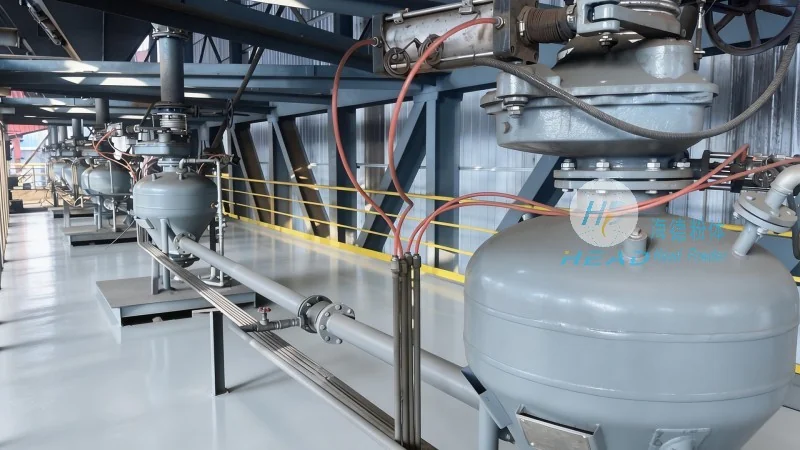
Components and Their Functions in Silicate Glass Powder Pneumatic Conveying
The core components of a silicate glass powder pneumatic conveying system include the material feeder, which ensures a steady and controlled flow of powder into the system. The feeder may be a rotary valve, a screw feeder, or a pressure feeder, depending on the specific requirements of the application. The conveying line, often made of stainless steel or other corrosion-resistant materials, is designed to withstand the abrasive nature of glass powders and prevent particle buildup. The separation unit, such as a cyclone or a bag filter, is crucial for separating the conveyed powder from the air stream, allowing for clean air discharge and powder recovery. Finally, the discharge mechanism, which may include a rotary valve or a venturi valve, controls the release of the powder at the destination point.
Advantages of Silicate Glass Powder Pneumatic Conveying
Implementing a silicate glass powder pneumatic conveying system offers several advantages over traditional handling methods. One of the primary benefits is the ability to transport materials over long distances without the need for multiple transfer points or intermediate storage. This reduces the risk of material contamination and improves overall process efficiency. Additionally, the system can handle materials that are difficult to transport by other means, such as those with high dust content or those that are prone to caking. The enclosed nature of the system also minimizes environmental impact by containing dust and preventing airborne emissions, which is particularly important for handling silicate glass powders that may be hazardous if released into the environment.
Considerations for Designing an Effective Silicate Glass Powder Pneumatic Conveying System
When designing a silicate glass powder pneumatic conveying system, several factors must be carefully considered to ensure optimal performance and longevity. The first consideration is the particle size and density of the silicate glass powder, as these properties directly impact the air flow requirements and equipment selection. For example, finer powders may require higher air velocities to maintain suspension, while denser powders may need higher pressure differentials to overcome resistance. Another critical factor is the moisture content of the powder, as excess moisture can lead to agglomeration and blockages in the system. Proper drying and conditioning of the powder before conveying are essential to prevent these issues. Additionally, the system must be designed to handle the abrasive nature of glass powders, which can cause wear on components like pipes, valves, and filters. Using high-quality, corrosion-resistant materials and regular maintenance can help mitigate these issues and extend the system's lifespan.
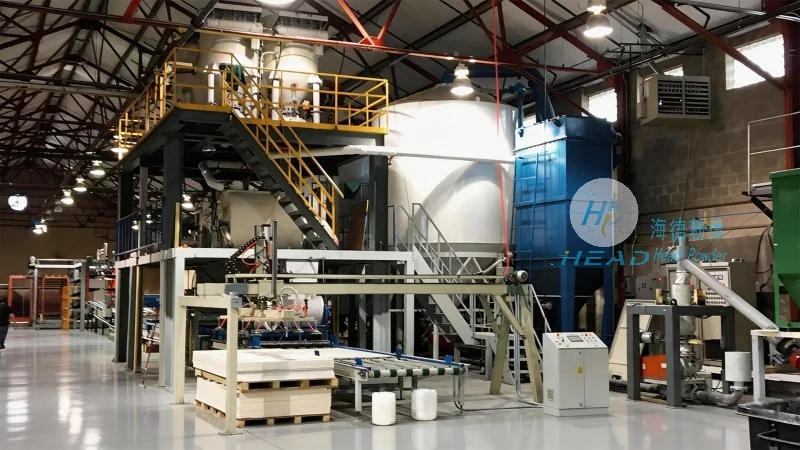
Applications of Silicate Glass Powder Pneumatic Conveying
Silicate glass powder pneumatic conveying is widely used in various industrial applications, particularly in the glass manufacturing industry. It is commonly employed in the production of flat glass, container glass, and specialty glass products. The system is also used in the processing of glass raw materials, such as silica sand and soda ash, which are often in powder form. In addition to glass manufacturing, this technology is used in the production of ceramics, refractory materials, and other powder-based products. The ability to transport these materials efficiently and safely makes silicate glass powder pneumatic conveying a preferred choice for many industries.
Conclusion
In conclusion, silicate glass powder pneumatic conveying is a sophisticated and effective method for transporting fine glass powders. The design principles behind this system are centered on maintaining consistent air flow, controlling pressure differentials, and selecting appropriate equipment to handle the unique properties of silicate glass powders. By understanding these principles and carefully considering the specific requirements of the application, industries can implement a reliable and efficient pneumatic conveying system that enhances productivity and reduces operational costs. As a leading provider in this field, Shandong HeadPowder Engineering Co., Ltd. specializes in designing and manufacturing high-quality silicate glass powder pneumatic conveying systems tailored to meet the diverse needs of various industries.