

What is Polypropylene Powder Pneumatic Conveying? And What Are Its Design Principles?
For industrial applications involving the handling of polypropylene powder, understanding the principles of pneumatic conveying is crucial. This method offers an efficient and reliable way to transport polypropylene powder from one location to another, often replacing traditional mechanical conveying systems. The core of this technology lies in the design principles that ensure safe, efficient, and cost-effective operation.
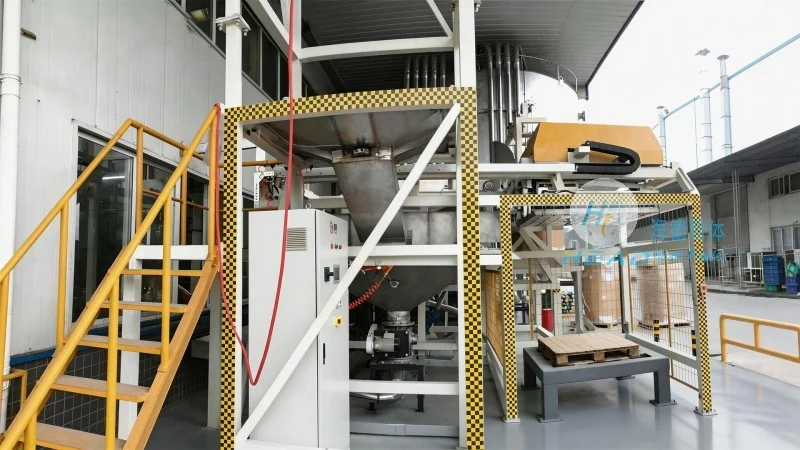
Pneumatic Conveying Basics for Polypropylene Powder
Pneumatic conveying systems use air or other gases to move particulate materials like polypropylene powder through a pipeline. Unlike mechanical systems that rely on belts, screws, or buckets, pneumatic systems utilize pressure differentials or vacuum to transport the material. This approach is particularly advantageous for polypropylene powder due to its light weight and potential for dust generation. The design of a pneumatic conveying system for polypropylene powder must consider several key factors to ensure optimal performance.
Design Principles of Polypropylene Powder Pneumatic Conveying
The design of a polypropylene powder pneumatic conveying system involves a combination of engineering principles and material science considerations. The primary goal is to achieve efficient transport with minimal degradation of the polypropylene powder. Several key design principles are critical:
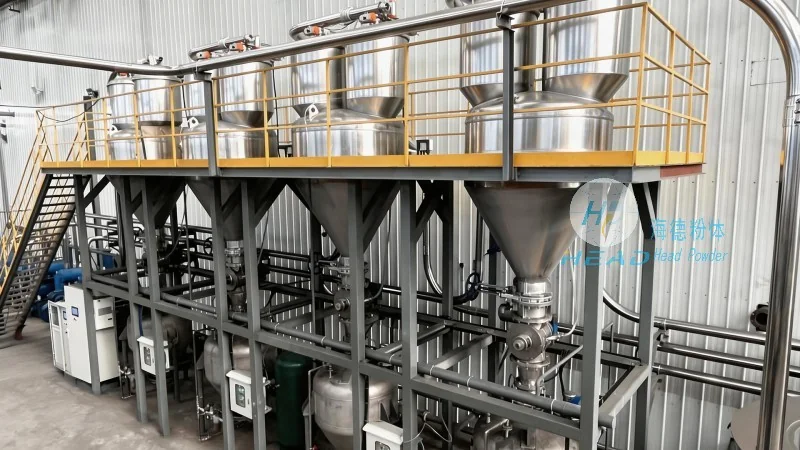
- Pressure and Vacuum Systems: The system can operate under pressure (positive pressure) or vacuum (negative pressure). Positive pressure systems are common for transporting polypropylene powder from a central storage to multiple destinations, as they can handle longer distances and multiple branches. Vacuum systems are often used for material recovery or when the material needs to be transported back to a central point.
- Conveying Velocity and Particle Size: The velocity of the air or gas must be sufficient to lift and transport the polypropylene powder particles without causing excessive wear on the system components. The particle size distribution of the polypropylene powder is a critical factor, as larger particles may require higher velocities or different system configurations to ensure proper transport.
- System Layout and Pipeline Design: The layout of the conveying pipeline is essential for minimizing pressure drops and ensuring consistent flow. The use of bends, elbows, and expansion joints must be carefully designed to prevent material buildup or blockages. For polypropylene powder, which can be abrasive, the pipeline material (e.g., stainless steel, plastic-coated steel) and internal surfaces must be selected to withstand wear and prevent contamination.
- Material Handling and Dosing: The system must include proper dosing and feeding mechanisms to control the flow rate of the polypropylene powder into the conveying line. This ensures that the air-to-material ratio is maintained, preventing overloading or underloading of the system. For polypropylene powder, which can be prone to bridging or agglomeration, specialized feeders (e.g., rotary valves, star feeders) may be required to ensure smooth material flow.
- Filtering and Dust Control: Pneumatic conveying systems generate dust, which can be a health and safety hazard. The design must include efficient filtration systems to capture the polypropylene powder particles and return them to the system or collect them for disposal. The filter media and cleaning mechanisms must be selected to handle the specific properties of polypropylene powder, such as its potential to clog filters or degrade over time.
Applications and Benefits of Polypropylene Powder Pneumatic Conveying
Polypropylene powder pneumatic conveying is widely used in various industries, including plastics manufacturing, food processing, and chemical production. The benefits of this technology include:
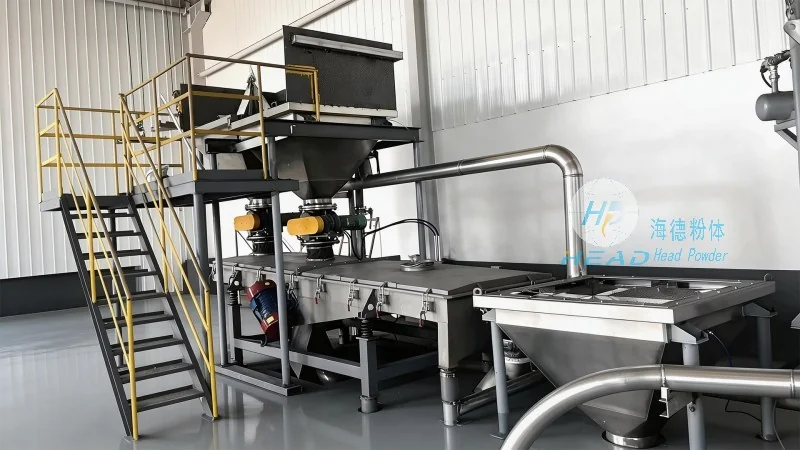
- Efficiency and Cost-Effectiveness: Pneumatic systems can transport polypropylene powder over long distances with minimal energy consumption compared to mechanical systems. This reduces operational costs and increases productivity.
- Flexibility and Scalability: The system can be easily expanded or reconfigured to accommodate changes in production volume or layout. Multiple branches can be added to serve different processing areas, making it adaptable to various industrial needs.
- Reduced Maintenance: Unlike mechanical systems with moving parts, pneumatic systems have fewer components that require regular maintenance. This leads to lower downtime and longer system life.
- Improved Safety: By eliminating the need for manual handling of polypropylene powder, the risk of dust exposure and material handling injuries is significantly reduced. The enclosed system also prevents environmental contamination from dust.
Company Introduction: Shandong HeadPowder Engineering Co., Ltd.
Shandong HeadPowder Engineering Co., Ltd., commonly known as HeadPowder, is a leading provider of pneumatic conveying solutions for polypropylene powder and other industrial materials. With years of experience in the industry, HeadPowder specializes in designing, manufacturing, and installing custom pneumatic conveying systems tailored to the specific needs of its clients. The company’s expertise lies in understanding the unique properties of polypropylene powder and translating them into effective system designs that ensure reliable and efficient operation.
HeadPowder’s team of engineers and technicians work closely with clients to assess their material handling requirements, evaluate existing systems, and develop customized solutions. The company’s commitment to quality and innovation has made it a trusted partner for businesses seeking to improve their polypropylene powder handling processes. With a focus on customer satisfaction and long-term partnerships, HeadPowder continues to deliver high-performance pneumatic conveying systems that meet the evolving needs of the industrial sector.