With more than 10‑year industry experience, Shandong Headpowder delivers full‑service pneumatic‑conveying systems and blowers, undertaking nationwide turn‑key powder‑handling projects.
Understanding the Ternary Material Powder Conveying System Equipment and Its Design Principles is crucial for industries dealing with advanced battery materials. This equipment is specifically engineered to handle the unique properties of ternary materials, which are widely used in lithium-ion batteries for their enhanced performance characteristics. The system ensures efficient and reliable transportation of these powders, which are critical components in modern energy storage solutions.
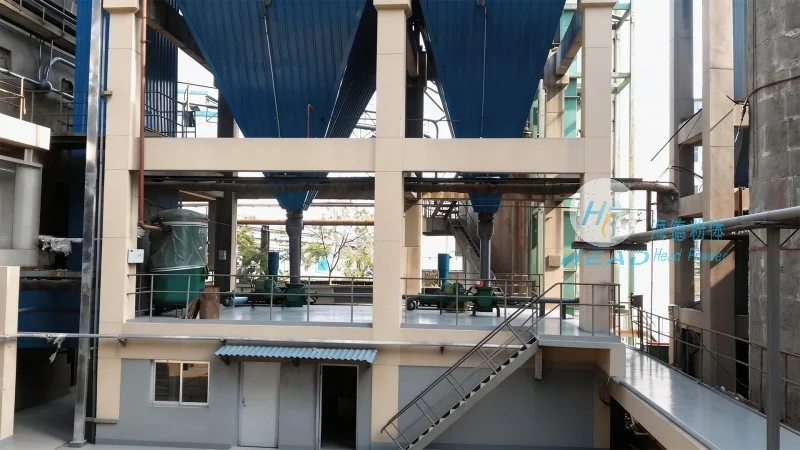
Ternary materials, typically composed of nickel, cobalt, and manganese (or other elements), are essential in the production of high-capacity lithium-ion batteries. These materials are often in powder form and require specialized handling to maintain their quality and prevent contamination. The powder conveying system equipment is designed to address these challenges by providing a seamless and controlled method of moving the material from storage to processing or packaging stages.
Shandong HeadPowder Engineering Co., Ltd., commonly known as headpowder, is a prominent manufacturer in the field of powder handling and conveying systems. With a focus on innovation and precision engineering, the company has developed advanced solutions tailored to the demands of the battery materials industry. Their expertise lies in creating systems that not only meet but exceed the standards required for handling sensitive ternary materials, ensuring minimal loss, maximum efficiency, and consistent product quality.
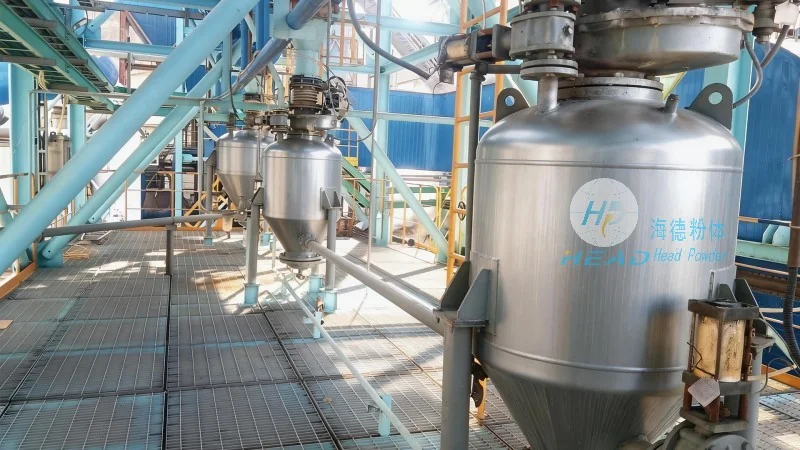
The ternary material powder conveying system typically consists of several key components that work in tandem to achieve optimal performance. These include a hopper or storage bin for material containment, a feeding mechanism to regulate the flow of powder, a conveying device (such as a pneumatic or mechanical conveyor), and a control unit to monitor and adjust the system parameters. Each component is designed to accommodate the specific characteristics of ternary materials, such as their particle size distribution, density, and flowability.
The design of a ternary material powder conveying system is guided by several fundamental principles aimed at maximizing efficiency, safety, and material integrity. One of the primary principles is the minimization of material degradation during transport. This is achieved through the use of gentle handling methods, such as low-velocity air flow in pneumatic systems, which reduces the risk of particle breakage or agglomeration. Another key principle is the prevention of contamination, which is critical for high-purity applications. The system incorporates sealed and cleanable components to maintain a sterile environment and prevent cross-contamination from external sources.
Furthermore, the design emphasizes energy efficiency and operational reliability. Advanced control systems allow for real-time monitoring of pressure, flow rate, and material level, enabling automated adjustments to maintain optimal performance. This not only reduces energy consumption but also minimizes downtime by preventing system failures. The system is also designed for easy maintenance, with accessible components that can be serviced without extensive disassembly, ensuring continuous operation in production environments.
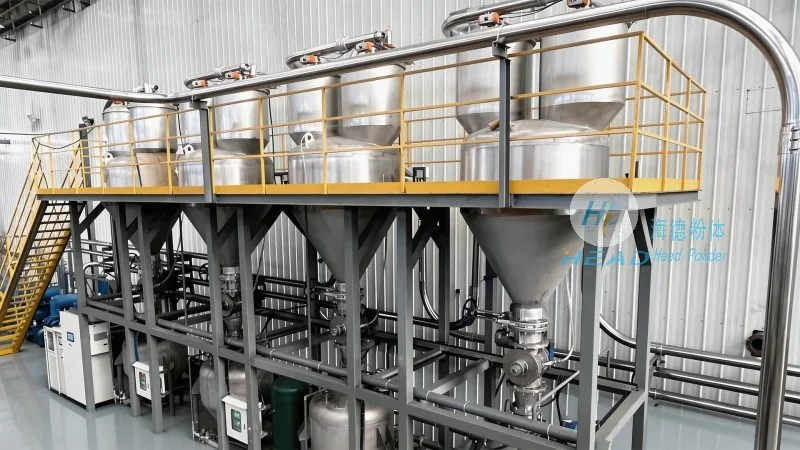
Ternary materials exhibit unique physical properties that influence the design of the conveying system. For instance, the materials may have varying particle sizes, which can affect flow characteristics and the risk of blockages. The system is engineered to handle these variations through adjustable feeding rates and flexible conveyor designs. Additionally, the materials may be hygroscopic or prone to static electricity, requiring special considerations in the system's construction. Anti-static coatings and moisture-resistant materials are often incorporated to address these issues and maintain the material's quality throughout the conveying process.
In conclusion, the ternary material powder conveying system equipment, designed by companies like Shandong HeadPowder Engineering Co., Ltd., plays a vital role in the battery materials industry. By adhering to sound design principles and incorporating advanced technologies, these systems ensure the efficient, safe, and reliable handling of ternary materials. The result is improved production efficiency, higher product quality, and reduced operational costs, making them indispensable in modern manufacturing processes.

 Shandong Headpowder Engineering Co., Ltd.
 156-6277-7102(Manager Zhang)
  0531-83386006
  Zhangqiu District, Jinan City, Shandong Province, China
telephone
WeChatconsult
top