With more than 10‑year industry experience, Shandong Headpowder delivers full‑service pneumatic‑conveying systems and blowers, undertaking nationwide turn‑key powder‑handling projects.
Hydrogen chloride (HCl) is a highly corrosive gas widely used in industrial processes such as chemical manufacturing, pharmaceutical production, and metal processing. When converted into a powder form, HCl presents unique handling challenges due to its reactivity, corrosive nature, and hazardous properties. This article explores specialized equipment for the safe and efficient transportation of HCl powder, alongside the core design principles that ensure reliable operation.
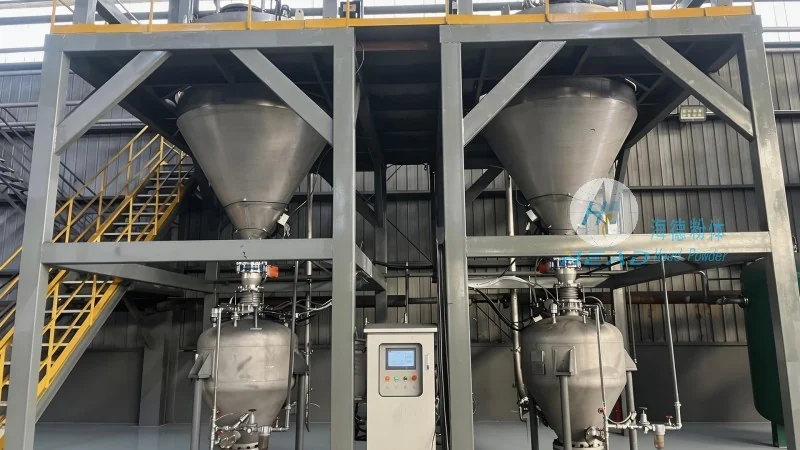
Handling HCl powder requires specialized equipment because standard material handling systems are unsuitable for its corrosive and reactive characteristics. The primary challenges include preventing caking and agglomeration, ensuring uniform flow, and maintaining strict safety protocols to protect operators and the environment. HCl powder is often fine and can quickly clump together, leading to blockages and uneven distribution. Additionally, the gas is toxic and can cause severe health issues if inhaled or contacted with skin, making containment and ventilation critical.
Shandong HeadPowder Engineering Co., Ltd., headquartered in China, specializes in designing and manufacturing advanced powder handling systems tailored for hazardous materials like HCl. The company’s expertise lies in integrating robust engineering principles with practical applications, ensuring equipment meets industrial safety and efficiency standards. HeadPowder’s solutions are engineered to address the unique challenges of HCl powder, providing reliable and safe handling processes for clients in various industries.
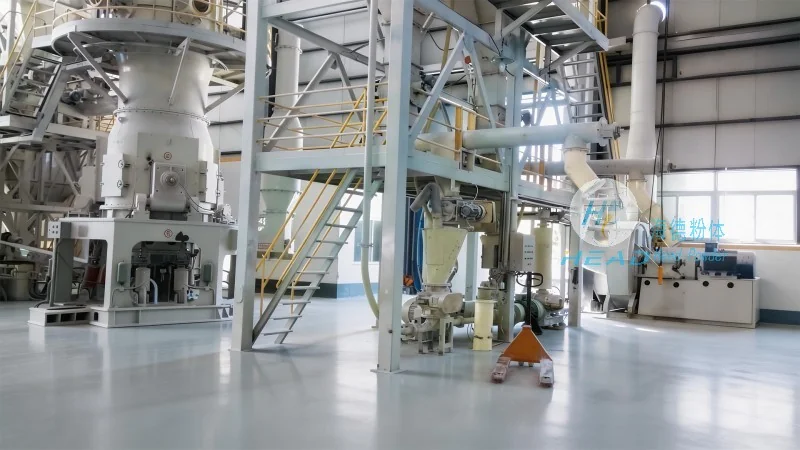
The design of HCl powder handling systems revolves around several key principles to ensure safety and performance. First, equipment must be constructed from corrosion-resistant materials, such as stainless steel or specialized alloys, to withstand prolonged exposure to HCl and its byproducts. Second, effective sealing mechanisms are essential to prevent gas leakage and maintain a controlled environment. This includes double-seal valves, airlocks, and containment features that minimize exposure risks. Third, systems incorporate anti-caking measures like vibration systems, air knives, or fluidized bed designs to keep the powder in a free-flowing state, avoiding blockages. Fourth, proper ventilation and gas scrubbing are integrated to neutralize any escaped HCl gas, ensuring compliance with environmental regulations and operator safety.
A typical HCl powder handling system consists of interconnected components working in tandem. The process usually begins with a storage silo or hopper where the powder is stored under controlled conditions. From there, a conveying system—such as screw conveyors, pneumatic lines, or rotary valves—transfers the powder. These components are designed to handle the powder’s flow characteristics while minimizing clogging risks. The system includes pressure regulators and flow meters to monitor and control material movement. At the discharge end, metering or dosing units ensure precise delivery to the next process stage. Each component is engineered to withstand HCl’s corrosive effects and maintain operational reliability.
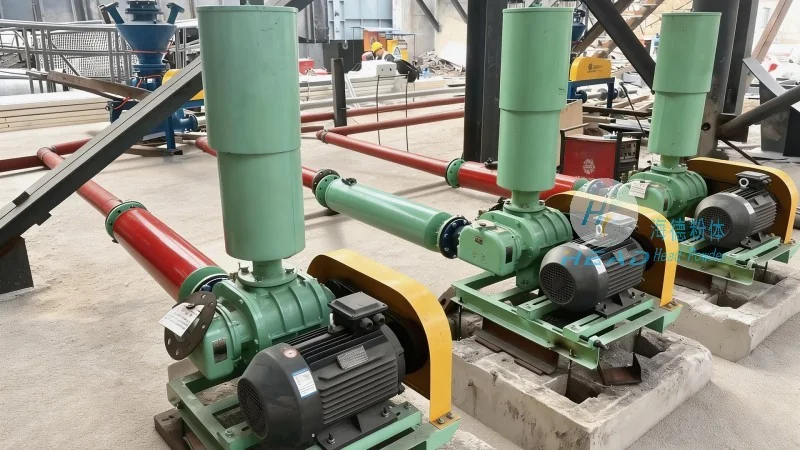
Given HCl’s hazardous nature, safety is a top priority in system design. Equipment is equipped with multiple safety features, including gas detectors, emergency shut-off valves, and interlocks that prevent operation under unsafe conditions. Regular maintenance and inspections are mandatory to ensure optimal performance. Compliance with regulations like OSHA and EPA standards is critical to avoid legal and environmental issues. HeadPowder Engineering adheres to these standards, providing equipment that not only meets but often exceeds regulatory requirements, ensuring client operations remain safe and compliant.
In summary, hydrogen chloride powder handling equipment is a specialized and vital component in industries utilizing HCl. The design principles, materials, and components of these systems are carefully engineered to address the unique challenges of HCl powder, ensuring safe, efficient, and reliable operation. Companies like Shandong HeadPowder Engineering Co., Ltd. play a crucial role in developing and manufacturing such equipment, contributing to the safe handling of hazardous materials in industrial settings. By understanding the design principles and components of HCl powder handling systems, industries can enhance operational safety, productivity, and compliance with environmental and safety regulations.

 Shandong Headpowder Engineering Co., Ltd.
 156-6277-7102(Manager Zhang)
  0531-83386006
  Zhangqiu District, Jinan City, Shandong Province, China
telephone
WeChatconsult
top