With more than 10‑year industry experience, Shandong Headpowder delivers full‑service pneumatic‑conveying systems and blowers, undertaking nationwide turn‑key powder‑handling projects.
HeadPowder, a leading engineering company based in Shandong, China, specializes in the design and implementation of efficient systems for handling paddy grain and other bulk materials. The process of paddy grain bulk material conveying involves the movement of large quantities of paddy grains from one location to another, often within agricultural processing facilities or storage facilities. This operation is crucial for optimizing the flow of raw materials in the rice production chain, ensuring that grains are transported safely and efficiently from fields to processing plants or storage silos.
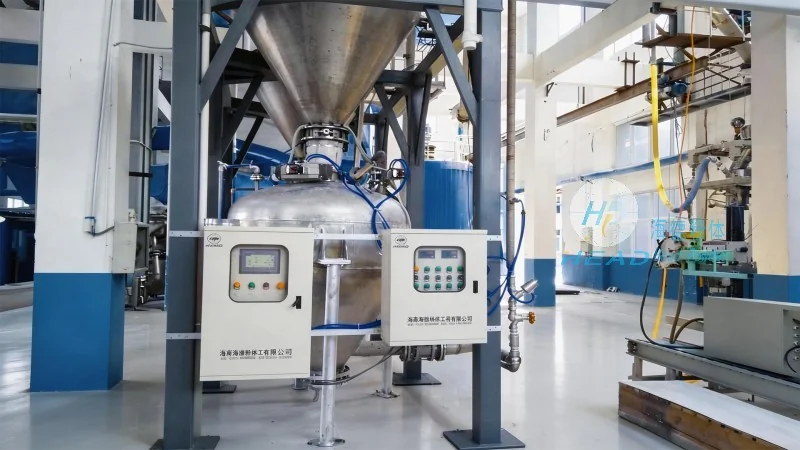
Paddy grain, being a granular material, requires specialized equipment and systems to handle its unique characteristics. These characteristics include its size, density, and the need to prevent breakage or contamination during transport. The conveying process typically involves the use of various machinery such as bucket elevators, screw conveyors, and pneumatic conveyors, each designed to address specific challenges associated with paddy grain handling. The goal is to maintain the quality of the paddy grains while ensuring smooth and continuous operation of the conveying system.
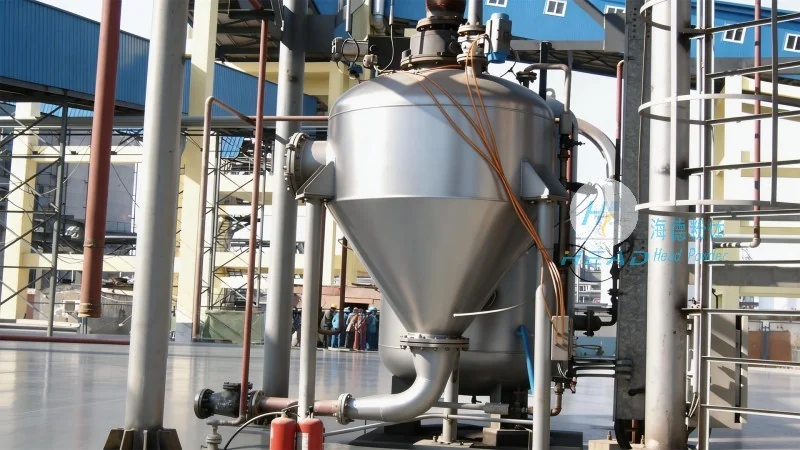
The design of a paddy grain bulk material conveying system is governed by several critical principles that ensure optimal performance and reliability. First, the system must be designed to handle the specific physical properties of paddy grains, such as their moisture content, size distribution, and potential for clumping. This involves selecting appropriate equipment that can accommodate these characteristics without causing damage to the grains. Second, the system must be capable of maintaining a consistent flow rate, which is essential for preventing bottlenecks and ensuring that the entire production process operates smoothly. Third, the design must prioritize safety and hygiene, as paddy grains are often used for food production and must be handled in a way that prevents contamination and ensures compliance with food safety regulations.
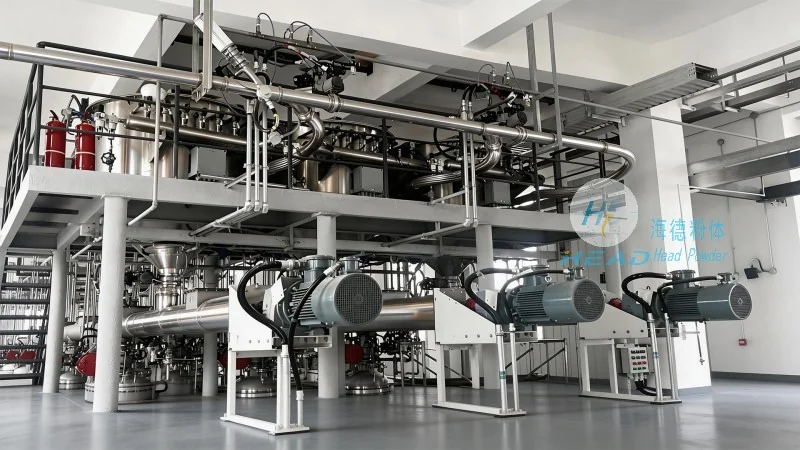
Several types of equipment are commonly used in paddy grain bulk material conveying systems. Bucket elevators are widely used for vertical transport, as they can handle large volumes of material and are effective in lifting grains to higher levels. Screw conveyors are suitable for horizontal or slight incline transport, providing a continuous and controlled flow of grains. Pneumatic conveyors, on the other hand, use air pressure to move grains through a pipeline, which is particularly useful for long-distance or high-rise transport. Each of these equipment types is designed with features that minimize grain breakage and ensure efficient operation, such as smooth surfaces and gentle handling mechanisms.
Effective paddy grain bulk material conveying systems require careful integration and control to ensure seamless operation. This involves coordinating the movement of grains through different stages of the processing line, from reception to storage or further processing. Modern systems often incorporate advanced control technologies, such as variable speed drives and sensors, to monitor and adjust the flow rate in real-time. This allows for dynamic adjustments based on the volume of grains being processed, ensuring that the system operates at peak efficiency under varying conditions. The integration of these control systems also helps in reducing energy consumption and maintenance costs, making the overall operation more sustainable and cost-effective.
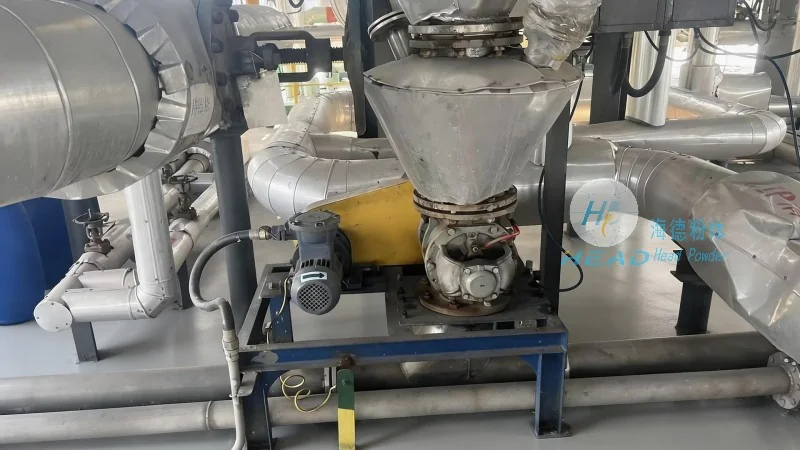
Implementing an efficient paddy grain bulk material conveying system offers numerous benefits for agricultural and food processing operations. Firstly, it improves the overall productivity of the facility by ensuring a continuous and uninterrupted flow of raw materials. This reduces downtime and increases the throughput of the processing plant, leading to higher yields and better profitability. Secondly, proper conveying systems help in maintaining the quality of the paddy grains, as they minimize the risk of breakage, contamination, and moisture loss. This is crucial for producing high-quality rice products that meet market standards and consumer expectations. Thirdly, the use of advanced equipment and control systems enhances safety and compliance with industry regulations, reducing the risk of accidents and legal issues. Overall, a well-designed conveying system is a critical component of a successful rice production operation, contributing to both operational efficiency and product quality.

 Shandong Headpowder Engineering Co., Ltd.
 156-6277-7102(Manager Zhang)
  0531-83386006
  Zhangqiu District, Jinan City, Shandong Province, China
telephone
WeChatconsult
top