With more than 10‑year industry experience, Shandong Headpowder delivers full‑service pneumatic‑conveying systems and blowers, undertaking nationwide turn‑key powder‑handling projects.
For industrial applications that require precise control and efficient handling of bulk powders, the adjustable weighing powder conveying system has emerged as a critical solution. This system is designed to ensure accurate measurement and seamless transport of materials like chemicals, pharmaceuticals, and food additives, where consistency and reliability are paramount. In this article, we will explore the fundamental aspects of such a system, including its design principles and operational benefits.
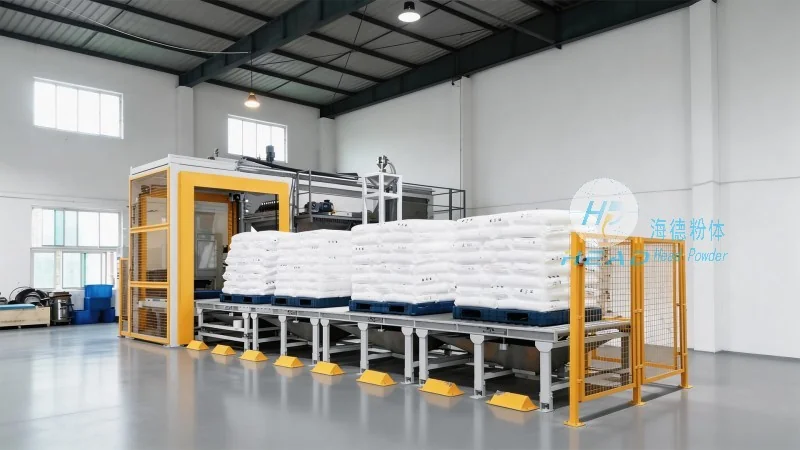
The adjustable weighing powder conveying system is a sophisticated piece of equipment engineered to integrate weighing and conveying functions in a single unit. Unlike traditional systems that separate weighing and transport processes, this integrated approach enhances operational efficiency by reducing the need for multiple stages and equipment. The system typically consists of a hopper for material storage, a weighing platform or load cell for accurate weight measurement, and a conveyor mechanism that transports the material from the hopper to the discharge point. The "adjustable" aspect refers to the system's ability to modify the flow rate or conveyor speed based on real-time weight data, ensuring that the material is conveyed at the optimal rate without overloading or underloading the system.
The design of an adjustable weighing powder conveying system is guided by several core principles aimed at achieving precision, reliability, and adaptability. The first principle is the integration of weighing and conveying, which minimizes the potential for measurement errors and ensures that the material is weighed as it is being transported. This is achieved through the use of load cells or strain gauges that are directly integrated with the conveyor or hopper, providing real-time weight feedback. The second principle is the adjustable flow control, which allows the system to respond dynamically to changes in material density or process requirements. By adjusting the conveyor speed or the opening of the discharge valve, the system can maintain a consistent weight per unit time, preventing overfilling of downstream equipment or underutilization of the conveying capacity. The third principle is the material containment and dust control, which is crucial for maintaining product quality and safety. The system is typically equipped with sealed hoppers and enclosed conveyors to prevent dust emissions and contamination, ensuring compliance with industrial standards and regulations.
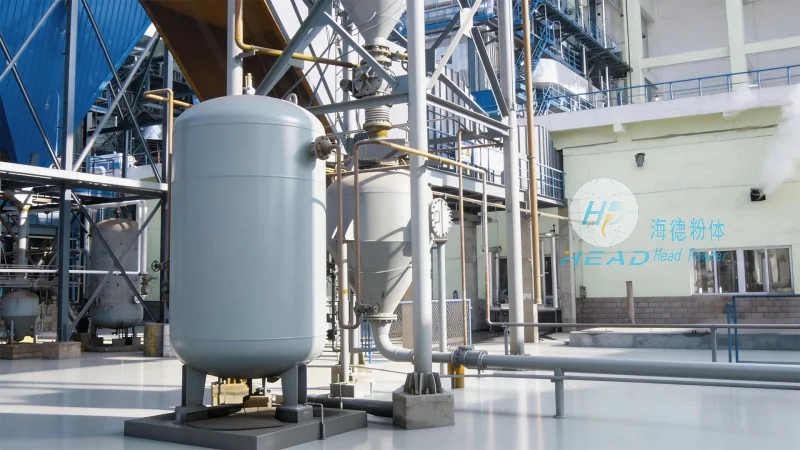
When the adjustable weighing powder conveying system is activated, the process begins with the material being fed into the hopper from a storage silo or bagging system. The hopper is equipped with a level sensor that monitors the material level, ensuring that the system operates within safe limits. As the material accumulates in the hopper, the load cell beneath the weighing platform records the weight. The control system processes this weight data and compares it to the target weight set by the operator. If the current weight is below the target, the conveyor motor is activated, and the material is discharged from the hopper into the conveyor. The conveyor then transports the material to the discharge point, where it is collected in a container or fed into the next processing stage. The system continuously monitors the weight during the conveying process, adjusting the conveyor speed to maintain the desired weight flow rate. Once the target weight is reached, the conveyor stops, and the system signals the operator that the process is complete. This cycle repeats as needed, allowing for continuous and precise material handling.
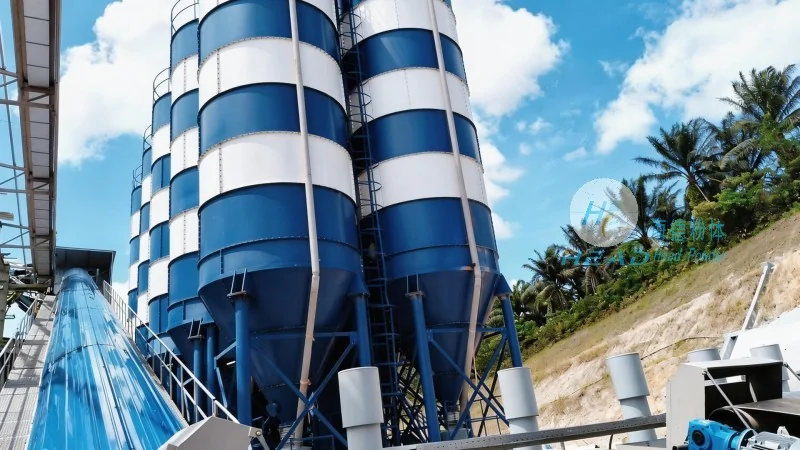
Implementing an adjustable weighing powder conveying system offers numerous advantages for industrial operations. The primary benefit is the enhanced accuracy in material measurement, which reduces waste and improves product consistency. By ensuring that the correct amount of material is conveyed, the system helps maintain product quality and reduces the need for rework or adjustments in downstream processes. Another advantage is the improved efficiency in material handling. The integrated design eliminates the need for separate weighing and conveying equipment, reducing the overall footprint of the system and minimizing the time required for material transfer. This leads to higher throughput and lower operational costs. Additionally, the adjustable flow control feature allows the system to adapt to varying material properties, such as changes in density or moisture content, ensuring consistent performance even with different materials. The system also contributes to better safety and environmental compliance by containing dust and preventing material spillage, which reduces the risk of accidents and environmental contamination.
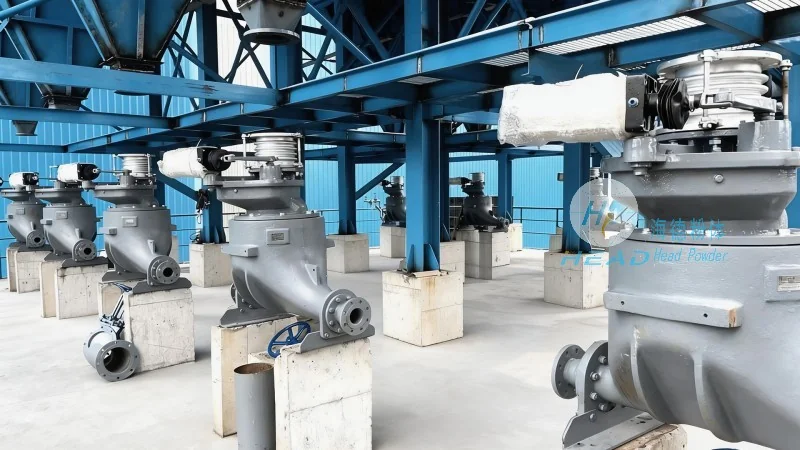
The adjustable weighing powder conveying system is widely used across multiple industries due to its versatility and precision. In the chemical industry, it is used for handling raw materials like powders and granules, ensuring accurate dosing in production processes. In pharmaceutical manufacturing, the system is critical for conveying active ingredients and excipients, where precise measurement is essential for drug formulation and compliance with regulatory standards. The food and beverage industry also benefits from this system, as it helps maintain the quality and safety of food products by accurately measuring ingredients like flour, sugar, and spices. Additionally, in the agricultural sector, the system is used for handling fertilizers and pesticides, ensuring consistent application rates and reducing the risk of over or under-application. The system's adaptability makes it suitable for a wide range of applications, from small-scale batch processing to large-scale continuous production.
In conclusion, the adjustable weighing powder conveying system is a vital component in modern industrial operations, providing precise control and efficient handling of bulk powders. Its design principles, which include integrated weighing and conveying, adjustable flow control, and material containment, ensure that the system operates reliably and consistently. By understanding these principles and implementing the system correctly, industries can achieve improved product quality, operational efficiency, and cost savings. As technology continues to advance, the adjustable weighing powder conveying system will likely evolve to include more sophisticated features, such as automated material identification and real-time process monitoring, further enhancing its capabilities. For businesses looking to optimize their material handling processes, investing in such a system is a strategic decision that can yield significant long-term benefits.

 Shandong Headpowder Engineering Co., Ltd.
 156-6277-7102(Manager Zhang)
  0531-83386006
  Zhangqiu District, Jinan City, Shandong Province, China
telephone
WeChatconsult
top