With more than 10‑year industry experience, Shandong Headpowder delivers full‑service pneumatic‑conveying systems and blowers, undertaking nationwide turn‑key powder‑handling projects.
The salt air-flow conveying system equipment is a specialized industrial device designed to transport bulk salt efficiently through pneumatic means. This system is crucial in various industrial applications, particularly in the food processing, chemical, and mining sectors, where the reliable and hygienic movement of salt is essential. The equipment operates by utilizing compressed air to create a flow that propels the salt particles through a pipeline network. Understanding the components and design principles of this system is vital for optimizing its performance and ensuring compliance with industry standards. As a leading manufacturer in the field, Shandong HeadPowder Engineering Co., Ltd. specializes in designing and producing high-quality salt air-flow conveying systems tailored to meet the diverse needs of industrial clients.
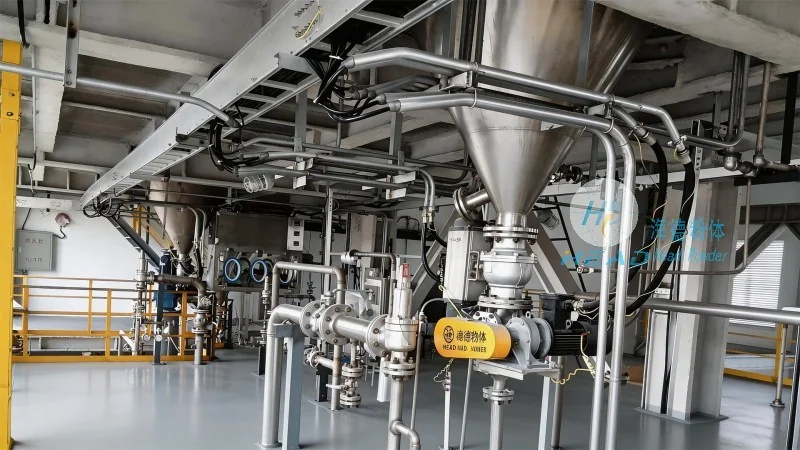
The core components of a salt air-flow conveying system include the hopper, air compressor, conveyor pipeline, and control valve. The hopper serves as the storage and feeding unit, where salt is loaded and prepared for transport. The air compressor generates the necessary pressure to create the air flow, which is then directed into the pipeline. The conveyor pipeline, typically made of stainless steel or other corrosion-resistant materials, ensures the safe and efficient movement of salt particles. The control valve regulates the air pressure and flow rate, allowing for precise control over the conveying process. Each component plays a critical role in the overall functionality of the system, and their proper integration is essential for optimal performance.
The design principles of the salt air-flow conveying system are centered on the principles of pneumatic transport. The system operates on the basis of creating a low-pressure or high-pressure air stream within the pipeline. When the air compressor supplies compressed air to the pipeline, it creates a pressure differential that draws the salt particles into the flow. The salt particles are then carried along the pipeline by the air stream, moving from the hopper to the discharge point. The velocity of the air and the size of the salt particles are carefully balanced to ensure that the particles are transported without excessive wear or degradation. The design also considers factors such as the moisture content of the salt, as high moisture levels can affect the conveying efficiency and may require additional drying or conditioning steps.
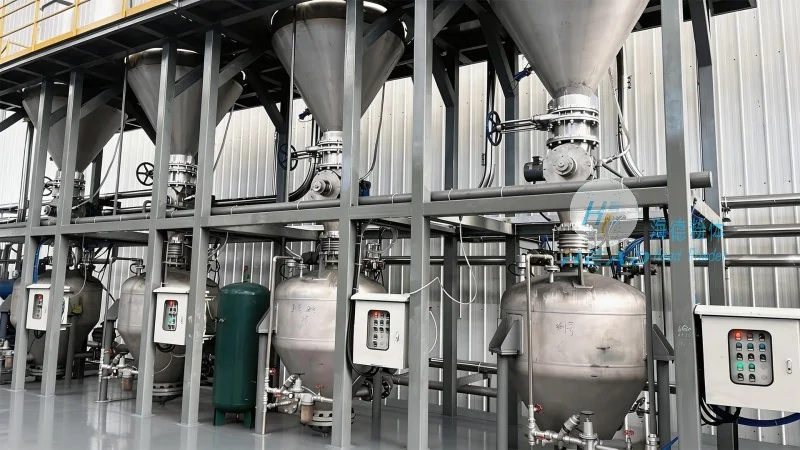
Implementing a salt air-flow conveying system offers several advantages over traditional methods like belt conveyors or bucket elevators. One of the primary benefits is the hygienic nature of the system, which is particularly important in food processing applications where contamination must be minimized. The enclosed pipeline design prevents dust and particles from escaping into the environment, maintaining a clean and safe working environment. Additionally, the system is highly flexible, allowing for the integration of multiple conveying lines and the ability to transport salt to various destinations within a facility. The compact design of the equipment also saves space, making it suitable for installations in limited areas. Furthermore, the system can handle a wide range of salt types, including granular, powdered, and even wet salt, with minimal adjustments to the operational parameters.
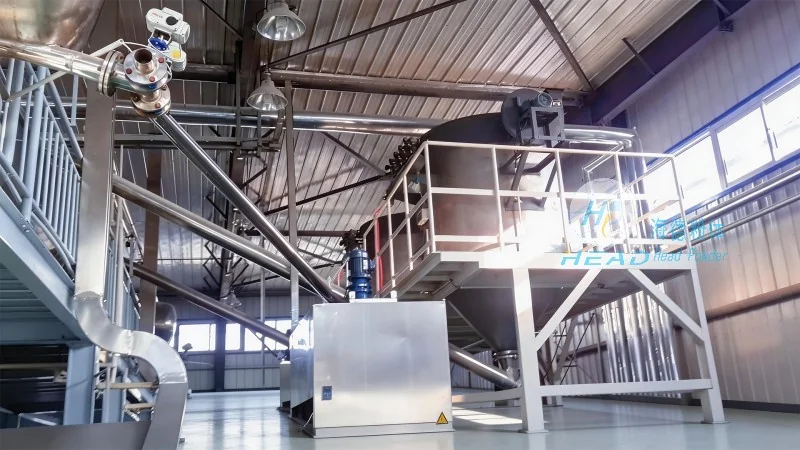
The salt air-flow conveying system is widely used in various industrial settings. In the food industry, it is commonly employed in salt production facilities, where it transports raw salt from storage to processing units. The system is also used in the chemical industry for transporting salt used in the production of chemicals like sodium chloride. In the mining sector, it can be utilized in salt mines to transport extracted salt from the mine to processing plants. The versatility of the system makes it suitable for both large-scale and small-scale operations, adapting to the specific needs of each application. For example, in a small-scale food processing plant, the system can efficiently transport salt from a storage silo to a production line, while in a large chemical plant, it can handle high volumes of salt for industrial processes.
Proper maintenance of the salt air-flow conveying system is essential to ensure its long-term reliability and efficiency. Regular inspections of the pipeline for leaks or blockages are necessary to prevent air loss and ensure consistent conveying performance. The air compressor should be checked regularly for proper operation and maintenance, including oil changes and filter replacements, to maintain optimal performance. The hopper and feeding mechanisms should also be inspected for wear and tear, as they are critical components in the system. Additionally, the control valve and other electrical components should be checked for proper functionality to ensure precise control over the conveying process. By following a regular maintenance schedule, the system can operate efficiently and minimize downtime, ensuring consistent salt transport in industrial applications.

 Shandong Headpowder Engineering Co., Ltd.
 156-6277-7102(Manager Zhang)
  0531-83386006
  Zhangqiu District, Jinan City, Shandong Province, China
telephone
WeChatconsult
top