

What is a Clay Pneumatic Conveying System? What Are Its Design Principles?
Clay pneumatic conveying systems are specialized equipment used for the efficient transport of clay materials through a pipeline using air pressure. This technology is widely adopted in industries such as ceramics, construction, and chemical processing due to its ability to handle abrasive and fine particulate materials without the need for mechanical components that might wear out or clog. The core of these systems lies in the design principles that ensure reliable, low-maintenance operation while optimizing material handling efficiency.
Understanding the Core Components of a Clay Pneumatic Conveying System
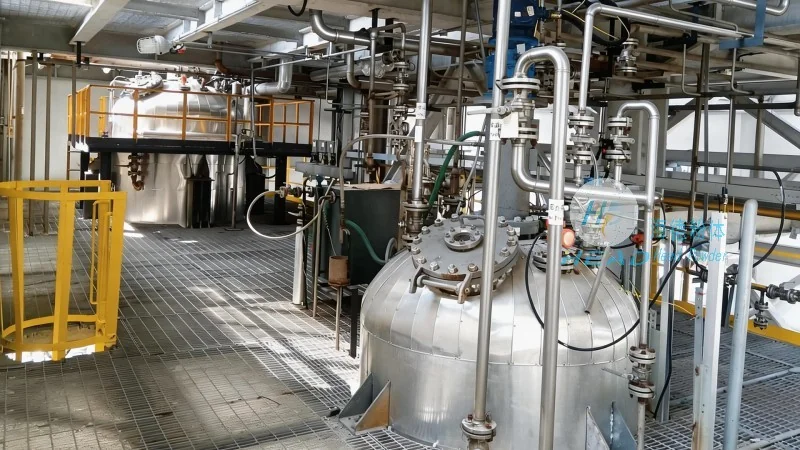
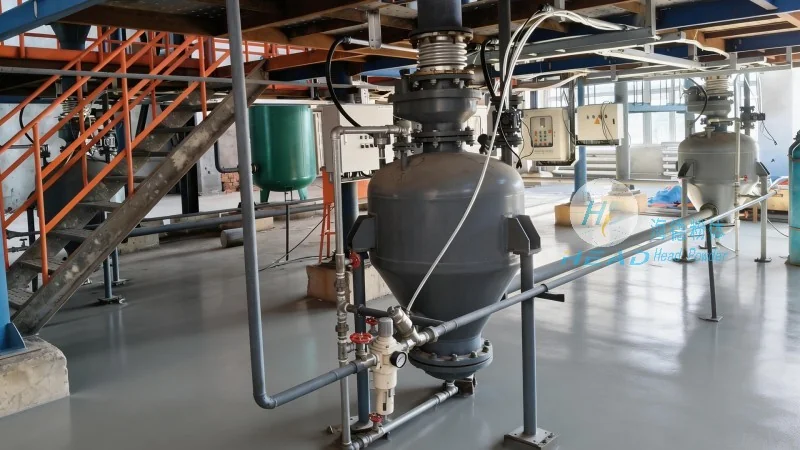
At the heart of a clay pneumatic conveying system are several key components that work in tandem to facilitate material transport. The primary components include a material feeder, a conveying pipeline, a pressure vessel or receiver, and a blower or compressor. The material feeder is responsible for introducing clay into the system, often in a controlled manner to maintain consistent flow rates. The conveying pipeline, typically made of durable materials like stainless steel or special alloys, is designed to withstand the abrasive nature of clay particles and the pressure generated by the air flow. The pressure vessel or receiver collects the conveyed clay and may include features like a dust collector or filtration system to maintain air quality and prevent material loss. The blower or compressor provides the necessary air pressure to move the clay particles through the pipeline, with options ranging from positive displacement blowers to centrifugal compressors depending on the system's requirements.
Design Principles for Efficient Clay Handling
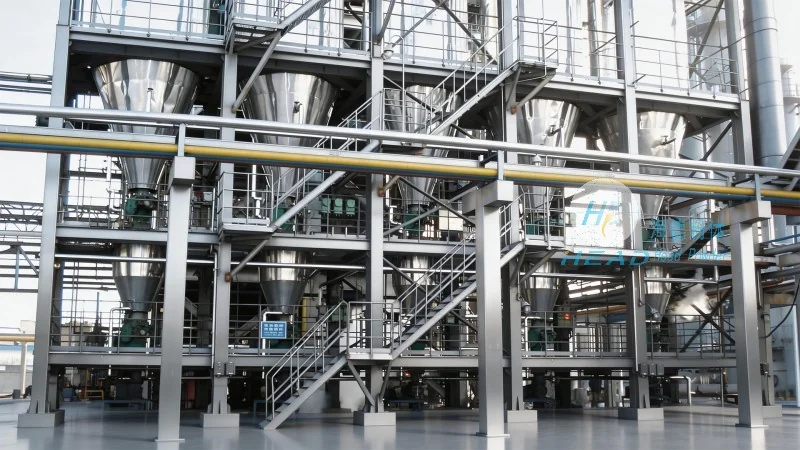
The design principles of a clay pneumatic conveying system are crucial for ensuring optimal performance and longevity. One of the fundamental principles is the selection of appropriate air velocity and pressure. The air velocity must be high enough to entrain the clay particles but not so high as to cause excessive wear on the pipeline or components. Typically, air velocities range from 20 to 30 meters per second for fine clay particles, with pressure levels varying from low to high pressure systems, depending on the distance and material characteristics. Another critical design principle is the prevention of material buildup and blockages. This is achieved through the use of appropriate pipeline diameters, bends, and valves that minimize friction and turbulence. The system may also incorporate features like in-line mixers or agitators to maintain the material in a fluidized state, preventing settling or clogging. Additionally, the design considers the abrasive nature of clay, leading to the use of wear-resistant materials for components such as the feeder, pipeline, and receiver, which helps to extend the system's operational life and reduce maintenance costs.
Applications and Benefits of Clay Pneumatic Conveying Systems
Clay pneumatic conveying systems are employed in various industrial applications where the handling of fine, abrasive materials is essential. In the ceramics industry, these systems are used to transport raw clay from storage silos to processing plants, ensuring a consistent supply of material for production. In construction, they are utilized to move clay for brick-making or soil stabilization projects, where precise material handling is critical. The chemical processing industry also benefits from these systems when handling clay-based additives or fillers. The primary benefits of using a clay pneumatic conveying system include increased efficiency in material transport, reduced labor costs due to automated operation, and lower maintenance requirements compared to traditional mechanical conveying methods. Furthermore, these systems offer better material quality control, as they minimize exposure to contaminants and prevent material degradation during transport.
Company Overview: Shandong HeadPowder Engineering Co., Ltd.
Shandong HeadPowder Engineering Co., Ltd., commonly known as HeadPowder, is a leading manufacturer and supplier of pneumatic conveying systems, including specialized solutions for clay handling. With a strong focus on innovation and quality, HeadPowder has established itself as a trusted partner in the industry, providing customized solutions tailored to the specific needs of clients. The company's headquarters is located in Shandong, China, where it operates a state-of-the-art manufacturing facility equipped with advanced technology and skilled personnel. HeadPowder's commitment to excellence is reflected in its adherence to international standards and its dedication to delivering reliable, high-performance clay pneumatic conveying systems that meet the demands of modern industrial applications.
Conclusion: The Importance of Proper Design and Implementation
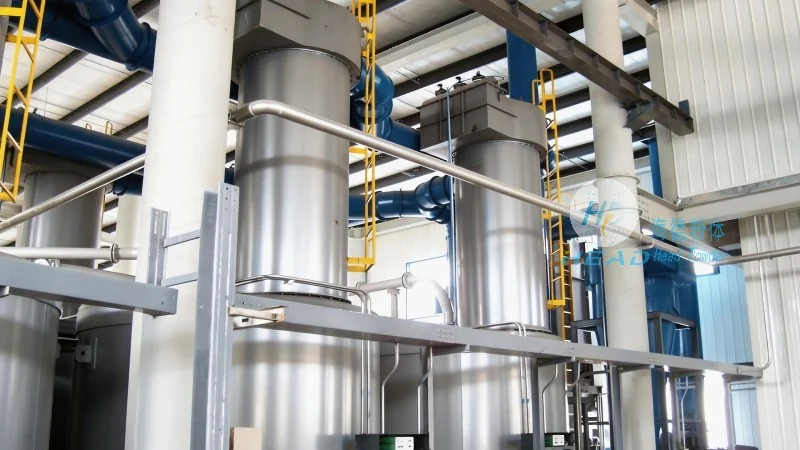
In conclusion, clay pneumatic conveying systems represent a sophisticated solution for the efficient and reliable transport of clay materials. The design principles that underpin these systems, combined with the appropriate selection of components and materials, are essential for achieving optimal performance and longevity. As industries continue to demand more efficient material handling solutions, the importance of well-designed clay pneumatic conveying systems will only grow. Companies like Shandong HeadPowder Engineering Co., Ltd. play a vital role in providing these advanced systems, ensuring that clients can meet their production needs while maintaining operational efficiency and cost-effectiveness.