With more than 10‑year industry experience, Shandong Headpowder delivers full‑service pneumatic‑conveying systems and blowers, undertaking nationwide turn‑key powder‑handling projects.
Calcium oxide, commonly known as quicklime, is a widely used chemical in various industrial applications. When it comes to transporting this material, especially in bulk quantities, pneumatic conveying systems offer an efficient and reliable solution. This article explores the concept of calcium oxide pneumatic conveying and delves into the fundamental design principles that underpin such systems, highlighting the expertise of Shandong HeadPowder Engineering Co., Ltd., a leading provider in the field.
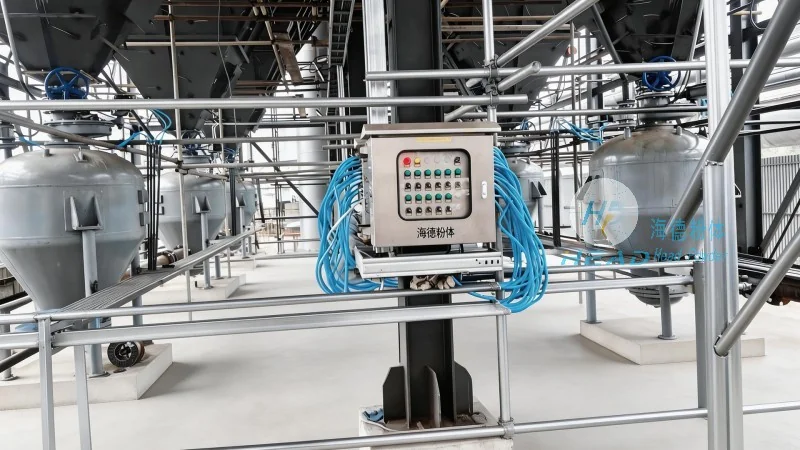
Calcium oxide (CaO) is a dry, free-flowing powder that requires specialized handling due to its reactivity and potential for dust generation. Pneumatic conveying systems transport this material by using air or other gases to move the powder through a pipeline. The process involves creating a flow of air that entrains the powder particles, carrying them from the source to the destination. This method is particularly advantageous for calcium oxide because it avoids the need for mechanical components like belts or buckets, reducing wear and maintenance costs.
Shandong HeadPowder Engineering Co., Ltd., based in Shandong, China, is a prominent company specializing in the design, manufacturing, and implementation of pneumatic conveying systems. With years of experience in the industry, HeadPowder has developed a deep understanding of the unique challenges associated with handling calcium oxide and other similar materials. The company’s expertise lies in tailoring systems to meet specific operational requirements, ensuring safety, efficiency, and durability.
The design of a calcium oxide pneumatic conveying system involves several critical principles to ensure optimal performance and longevity. First, the system must be capable of handling the material's properties, such as its density, flowability, and dust generation potential. The choice of air velocity is crucial; it must be high enough to entrain the particles but low enough to prevent excessive wear on the system components. HeadPowder engineers carefully calculate the required air velocity based on the material's characteristics and the system's layout.
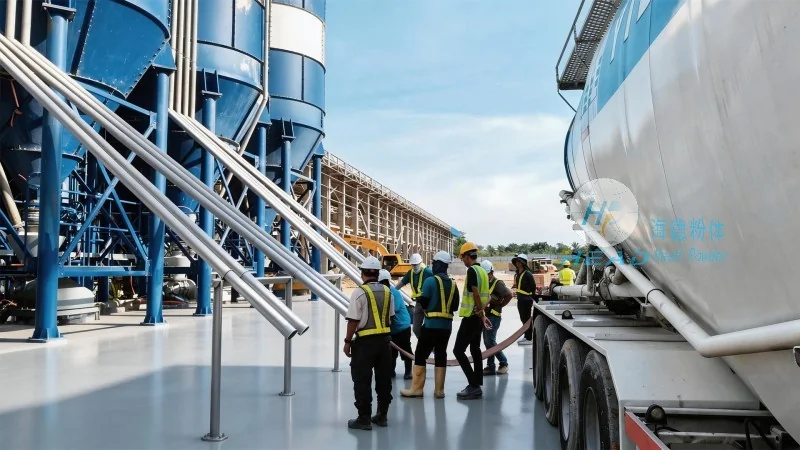
Second, the system's layout and components must be designed to minimize pressure drops and energy consumption. This includes selecting appropriate pipe diameters, using smooth, corrosion-resistant materials, and incorporating features like cyclones or filters to separate the material from the air stream. The design also considers the need for proper dust control measures to comply with environmental regulations and maintain workplace safety.
A typical calcium oxide pneumatic conveying system consists of several key components. The source of the material, such as a hopper or silo, feeds the powder into the system. A blower or compressor provides the necessary air pressure to initiate the conveying process. The pipeline transports the air and powder mixture to the destination, which could be a storage tank, processing unit, or other processing equipment. At the destination, a separator or filter separates the calcium oxide from the air, allowing the material to be collected while the air is either recirculated or discharged.
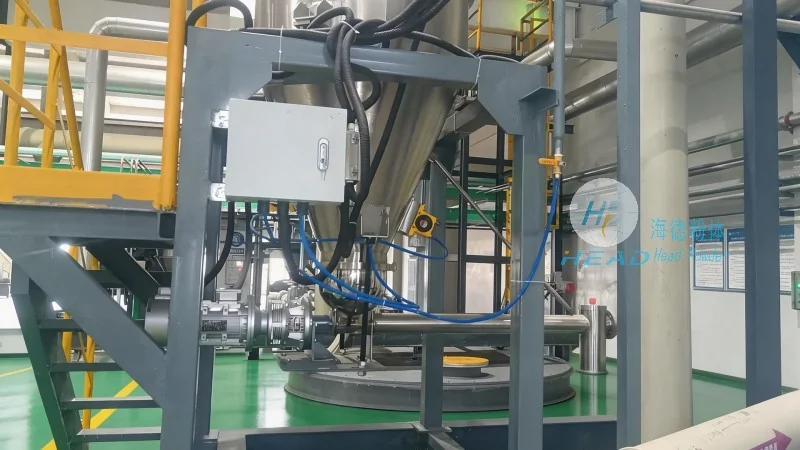
Compared to other material handling methods, pneumatic conveying offers several advantages for calcium oxide. It provides a continuous, dust-free operation, reducing the risk of contamination and improving product quality. The system is also flexible, allowing for changes in material flow rates and destinations without significant modifications. Additionally, pneumatic conveying can handle long distances and multiple points of discharge, making it suitable for large-scale industrial applications.
Designing a pneumatic conveying system for calcium oxide presents unique challenges. One of the main issues is the material's tendency to agglomerate or form clumps, which can cause blockages in the pipeline. HeadPowder addresses this by incorporating features like vibrators or agitators in the hoppers to break up clumps before they enter the system. Another challenge is the potential for corrosion due to the material's reactivity with moisture. The company uses corrosion-resistant materials, such as stainless steel or special coatings, to protect the system components.
Calcium oxide pneumatic conveying is a highly effective method for transporting this essential chemical, and the design principles behind such systems are critical to their success. Shandong HeadPowder Engineering Co., Ltd. plays a vital role in providing customized solutions that meet the specific needs of industrial clients, ensuring efficient, safe, and reliable material handling. By adhering to the key design principles and leveraging their expertise, HeadPowder helps industries optimize their calcium oxide handling processes, contributing to improved productivity and reduced operational costs.

 Shandong Headpowder Engineering Co., Ltd.
 156-6277-7102(Manager Zhang)
  0531-83386006
  Zhangqiu District, Jinan City, Shandong Province, China
telephone
WeChatconsult
top