With more than 10‑year industry experience, Shandong Headpowder delivers full‑service pneumatic‑conveying systems and blowers, undertaking nationwide turn‑key powder‑handling projects.
Biomass pneumatic conveying equipment is a critical component in the processing and handling of biomass materials. This technology enables the efficient and reliable transport of bulk materials such as wood chips, sawdust, and other organic matter from one location to another. The core principle of pneumatic conveying involves using a gas stream, typically air or a combination of air and other gases, to move solid particles through a pipeline system. This method offers several advantages over traditional mechanical conveying systems, including reduced equipment wear, lower maintenance costs, and the ability to handle materials that are difficult to transport via conventional methods.
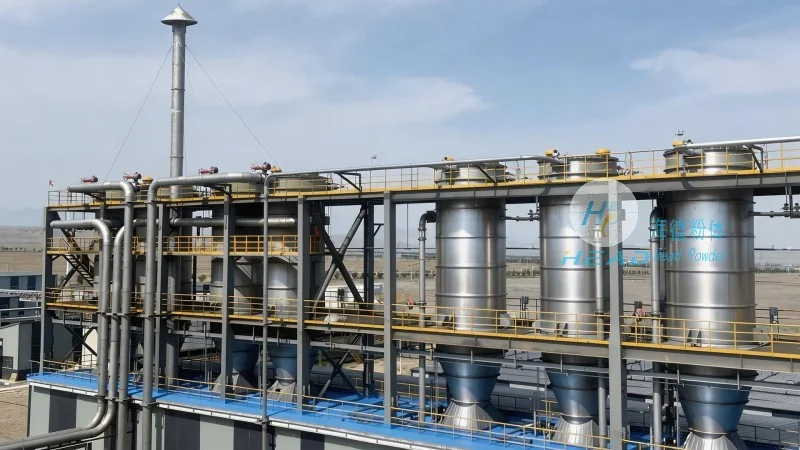
A typical biomass pneumatic conveying system consists of several key components that work in tandem to ensure effective material transport. The primary components include a material feed hopper, a conveyor line (often a pipeline), a pressure or vacuum source (such as a blower or vacuum pump), and a control system. The material feed hopper is designed to store and meter the biomass material, ensuring a consistent flow into the conveying line. The conveyor line, usually made of stainless steel or other corrosion-resistant materials, is where the material is propelled by the gas stream. The pressure source generates the necessary air pressure to move the material, while the vacuum source is used for suction-based conveying, which is particularly useful for handling materials from elevated or hard-to-reach locations.
The operation of a biomass pneumatic conveying system is based on the fundamental principle of fluid dynamics. When air is introduced into the pipeline at a high velocity, it creates a low-pressure zone that draws the biomass particles into the stream. The particles are then carried along the pipeline by the moving air, forming a suspension. The velocity of the air and the size of the particles determine the conveying capacity and efficiency of the system. For biomass materials, which often have a wide range of particle sizes and densities, the system must be designed to handle these variations effectively. This involves selecting appropriate air velocities and pipeline diameters to ensure that the material is conveyed without excessive pressure drop or particle degradation.
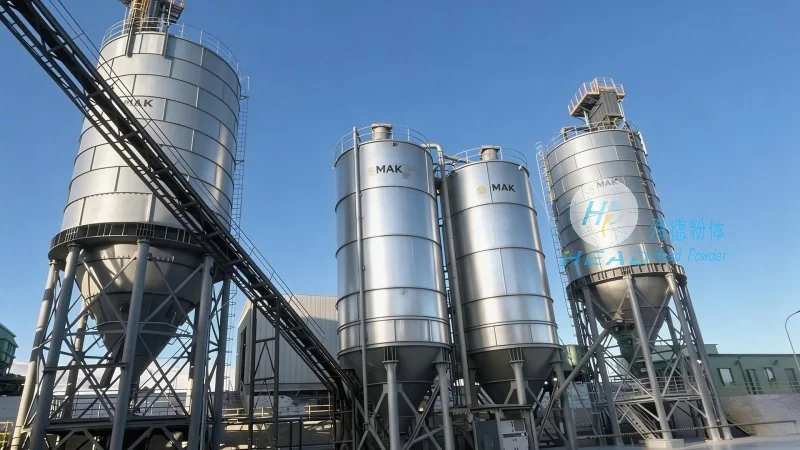
There are several key advantages to implementing biomass pneumatic conveying equipment in industrial applications. First, it offers a dust-free and clean operation, which is essential for maintaining a safe and healthy working environment, especially when handling organic materials that can generate fine particles. Second, the system is highly efficient in terms of energy consumption, as it minimizes the need for mechanical components like belts or chains that require regular maintenance. Third, the equipment can handle a wide variety of biomass materials, including those with high moisture content or abrasive properties, without causing significant wear to the system components. Additionally, the system is flexible and can be easily integrated into existing processing lines, allowing for modular expansion as production needs change.
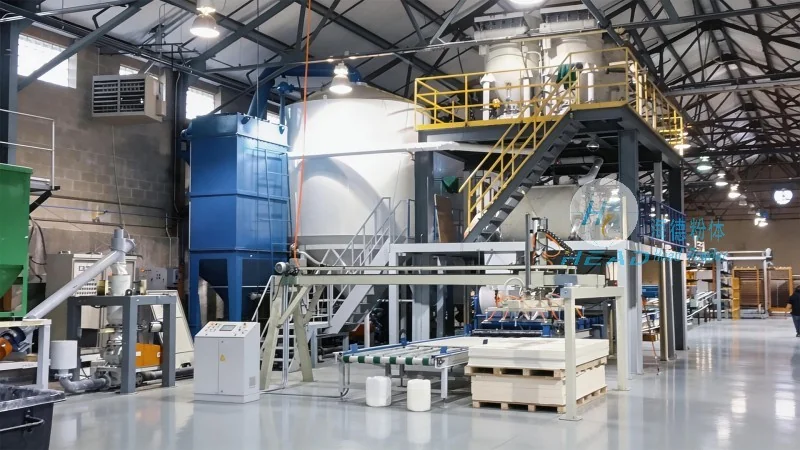
Biomass pneumatic conveying equipment is widely used in various applications within the biomass processing industry. In biomass power plants, it is used to transport fuel from storage silos to the boiler. In biomass pelletizing facilities, the system conveys raw materials to the pellet mill and finished pellets to storage or packaging areas. Additionally, in biofuel production plants, the equipment is used to transport feedstock to the processing units and transport byproducts to storage or disposal areas. The versatility of the system makes it suitable for a wide range of biomass applications, from small-scale operations to large industrial facilities.
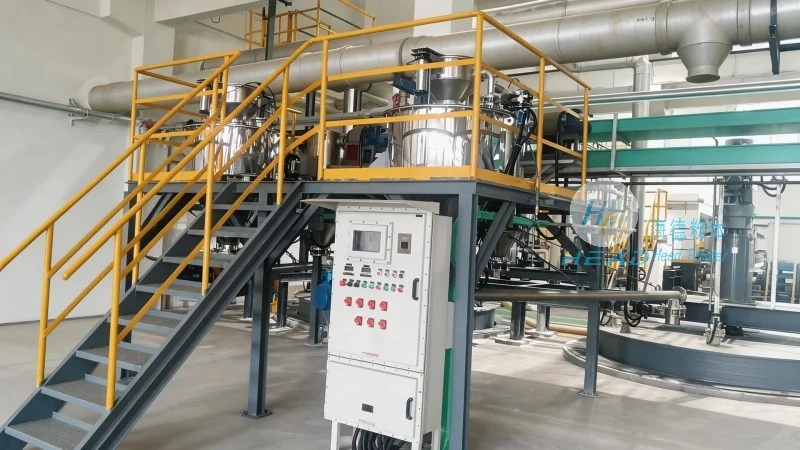
When designing a biomass pneumatic conveying system, several factors must be considered to ensure optimal performance and longevity. The first consideration is the material characteristics, including particle size distribution, density, and moisture content. These factors influence the selection of air velocity, pipeline diameter, and the type of conveying system (pressure or vacuum). The second consideration is the system layout, which includes the length and elevation changes of the pipeline. Longer or more complex layouts may require additional components such as cyclones or separators to prevent material buildup and maintain system efficiency. The third consideration is the material of construction, as biomass materials can be corrosive or abrasive. Stainless steel or other corrosion-resistant materials are typically used for the pipeline and components to ensure durability and minimize maintenance.
Proper maintenance is crucial to ensure the long-term performance and reliability of biomass pneumatic conveying equipment. Regular inspections of the pipeline for blockages or wear are essential. The air filter and blower should be checked regularly to ensure they are functioning efficiently. Additionally, the material feed hopper should be kept clean to prevent material buildup and ensure consistent feeding. Operational tips include monitoring the pressure and flow rates to detect any changes that may indicate a problem. By following these maintenance and operational guidelines, the system can operate at peak efficiency, minimizing downtime and maximizing the handling capacity.

 Shandong Headpowder Engineering Co., Ltd.
 156-6277-7102(Manager Zhang)
  0531-83386006
  Zhangqiu District, Jinan City, Shandong Province, China
telephone
WeChatconsult
top