With more than 10‑year industry experience, Shandong Headpowder delivers full‑service pneumatic‑conveying systems and blowers, undertaking nationwide turn‑key powder‑handling projects.
Refactory material pneumatic conveying systems are critical components in industrial processes, particularly in environments where handling high-temperature materials is essential. These systems utilize air or gas to transport refractory powders, granules, or bulk materials from one location to another, offering a flexible and efficient solution for material transfer. The principle behind these systems involves creating a pressure differential to move materials through a pipeline, often using a combination of positive and negative pressure stages to optimize flow and minimize material degradation.
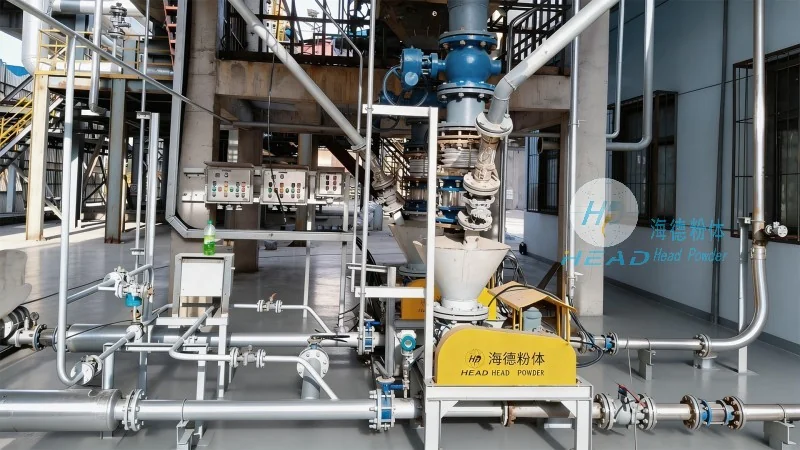
HeadPowder, a leading provider in the field, specializes in engineering and manufacturing advanced pneumatic conveying solutions tailored for refractory applications. With headquarters in Shandong, China, the company combines decades of industry experience with cutting-edge technology to deliver reliable and efficient systems. Shandong HeadPowder Engineering Co., Ltd. focuses on understanding the unique challenges of refractory material handling, such as temperature sensitivity and abrasive properties, and designs systems that address these challenges effectively.
The fundamental principle of pneumatic conveying for refractory materials involves the use of air or gas to create a flow that transports the material through a pipeline. This process typically operates under either positive pressure (where air is forced through the system) or negative pressure (where air is drawn out of the system). For refractory materials, which often have high melting points and can be sensitive to moisture or contamination, the system design must ensure that the material remains in a dry, stable state throughout the conveying process. The system may include components like feeders, cyclones, filters, and control valves to regulate the flow and maintain material quality.
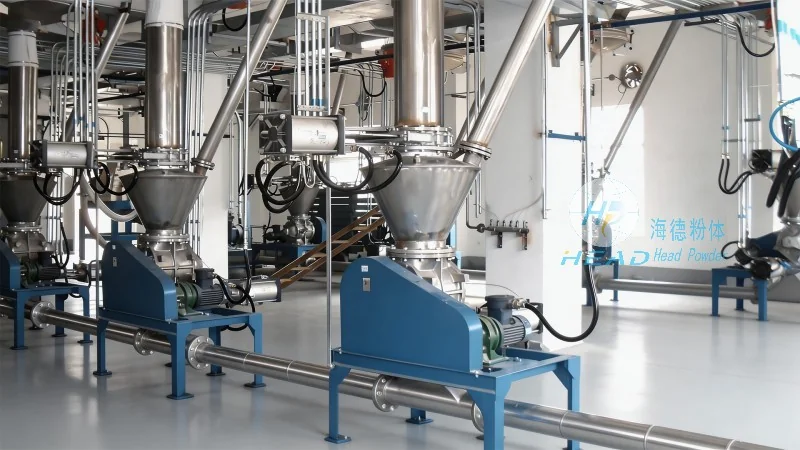
A typical refractory material pneumatic conveying system consists of several key components, each playing a crucial role in the overall operation. The feed hopper is responsible for storing and metering the refractory material, ensuring a consistent flow into the system. The air compressor or vacuum pump generates the necessary pressure or suction to move the material through the pipeline. The pipeline itself is often made of corrosion-resistant materials like stainless steel or special alloys to withstand the abrasive nature of refractory powders. Cyclones and filters are used to separate the conveyed material from the air stream, allowing for material recovery and air purification. Control systems, including sensors and valves, monitor and adjust the system parameters to maintain optimal performance and prevent issues like blockages or pressure spikes.
Implementing a pneumatic conveying system for refractory materials offers several advantages over traditional methods like belt conveyors or manual handling. One of the primary benefits is the ability to transport materials over long distances with minimal maintenance. The system can handle materials that are difficult to move by other means, such as fine powders or highly abrasive granules, without causing degradation or contamination. Additionally, pneumatic conveying systems can be integrated with other industrial processes, such as mixing or drying, to create a seamless workflow. The enclosed nature of the system also reduces dust emissions and improves workplace safety, which is critical in environments where refractory materials are handled.
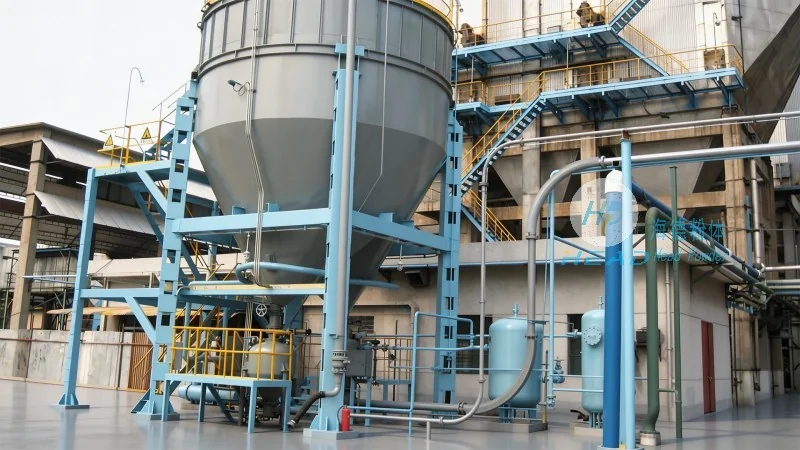
Refractory material pneumatic conveying systems are widely used in various industrial applications, including the production of ceramics, steel, and glass. In the ceramics industry, these systems are used to transport raw materials like clay and feldspar from storage to processing lines. In steel manufacturing, they help move refractory bricks and powders to furnaces and kilns, ensuring that the materials are delivered in a controlled manner to maintain the quality of the final product. The glass industry also benefits from these systems, as they efficiently convey materials like silica sand and limestone to glass melting furnaces. By using pneumatic conveying, these industries can improve production efficiency, reduce labor costs, and enhance product quality.
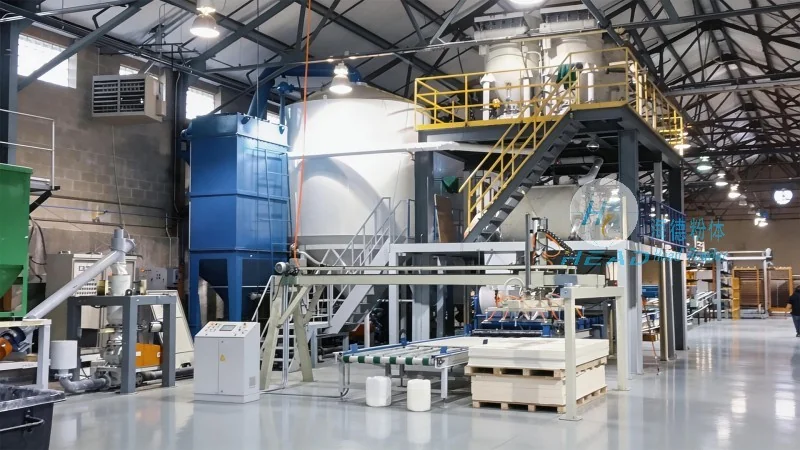
HeadPowder understands that each industrial application has unique requirements, and therefore, offers customized pneumatic conveying solutions. The company works closely with clients to assess their specific needs, including material characteristics, conveying distances, and operational constraints. By analyzing factors such as material density, flowability, and temperature, HeadPowder engineers design systems that are optimized for performance and reliability. This customization ensures that the system operates at peak efficiency, minimizing energy consumption and maximizing material throughput. The company also provides ongoing support and maintenance services to ensure that the system continues to perform as intended over its lifespan.
Refactory material pneumatic conveying systems are essential for modern industrial operations, providing a reliable and efficient means of transporting high-temperature materials. With its expertise and commitment to quality, Shandong HeadPowder Engineering Co., Ltd. offers advanced solutions that address the specific challenges of refractory material handling. By understanding the core principles of pneumatic conveying and leveraging cutting-edge technology, the company helps industries improve their productivity, reduce costs, and enhance safety. As the demand for efficient material handling solutions continues to grow, HeadPowder remains at the forefront of innovation, providing tailored systems that meet the evolving needs of the industry.

 Shandong Headpowder Engineering Co., Ltd.
 156-6277-7102(Manager Zhang)
  0531-83386006
  Zhangqiu District, Jinan City, Shandong Province, China
telephone
WeChatconsult
top