With more than 10‑year industry experience, Shandong Headpowder delivers full‑service pneumatic‑conveying systems and blowers, undertaking nationwide turn‑key powder‑handling projects.
Understanding the mechanics of silica fume pneumatic conveying is crucial for industries dealing with fine powders, as it ensures efficient and reliable material transport. This article provides an in-depth look at the working principles of such systems, highlighting the key components and operational processes involved.
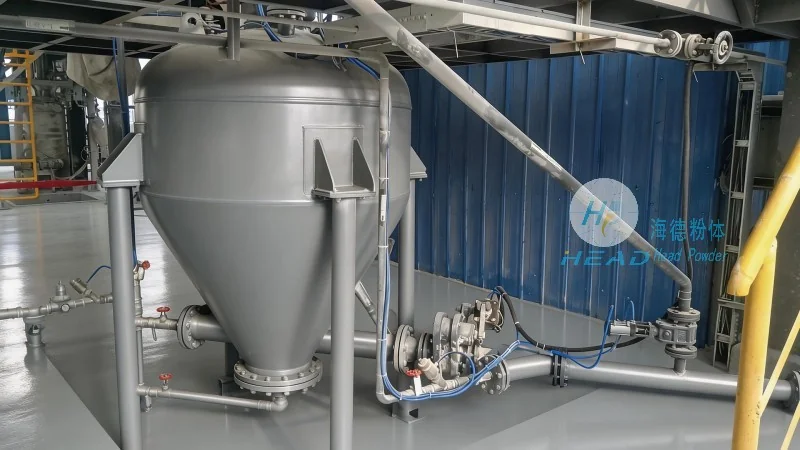
HeadPowder, formally known as Shandong HeadPowder Engineering Co., Ltd., is a leading provider of powder handling solutions. Based in Shandong, China, the company specializes in designing, manufacturing, and implementing advanced pneumatic conveying systems tailored to the needs of various industrial sectors. With a strong commitment to quality and innovation, HeadPowder delivers reliable equipment that enhances productivity and safety in powder processing operations.
Silica fume, also known as microsilica, is a byproduct of silicon metal production, characterized by its ultra-fine particle size and high surface area. It is widely used as a supplementary cementitious material in concrete and other construction applications. Pneumatic conveying, or air-assisted transport, is a method that uses pressurized air or gas to move powders through a pipeline. For silica fume, this technique offers several advantages, including the ability to transport fine powders over long distances without the need for mechanical components like belts or buckets.
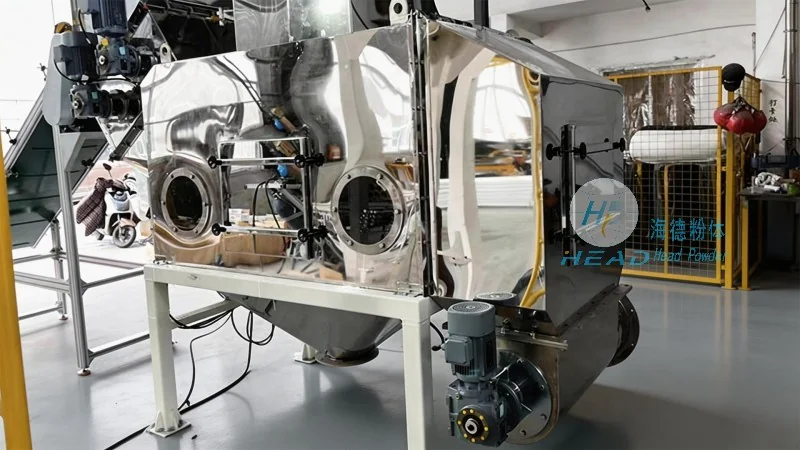
The core of a pneumatic conveying system for silica fume involves several key components that work in tandem to ensure efficient material transport. The process typically begins with a hopper or storage silo where the silica fume is stored. From there, the powder is fed into a conveyor line, often using a rotary valve or feeder to control the flow rate. The system then uses a blower or compressor to generate the necessary air pressure, which is introduced into the pipeline. As the air flows through the line, it entrains the silica fume particles, creating a slurry-like mixture that moves through the system.
Several critical components are integral to the operation of a silica fume pneumatic conveying system. The blower or compressor serves as the power source, providing the air pressure required to move the material. The pipeline network, made of materials resistant to corrosion and abrasion (such as stainless steel or plastic), transports the mixture from the source to the destination. At the receiving end, a cyclone separator or filter is used to separate the silica fume from the air, allowing the powder to be collected in a designated container. Additionally, a dust collector may be employed to ensure environmental compliance and maintain air quality.
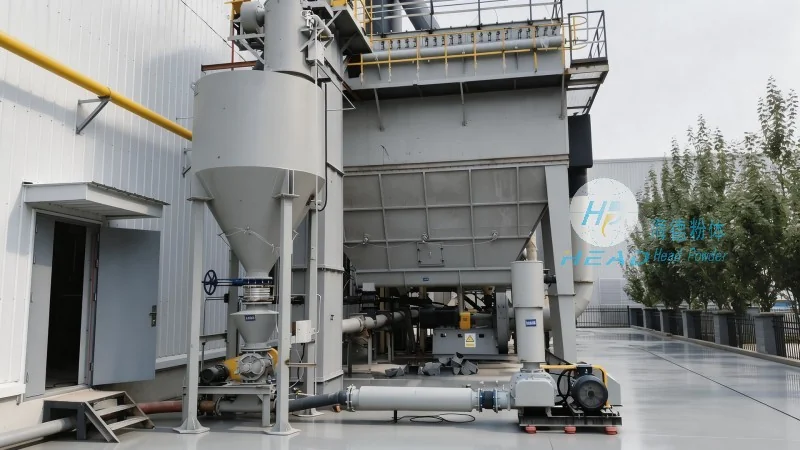
Implementing pneumatic conveying for silica fume offers numerous benefits compared to traditional methods like bucket elevators or belt conveyors. One of the primary advantages is the ability to handle ultra-fine powders without causing agglomeration or degradation. The system also minimizes material loss and contamination, as the enclosed pipeline prevents exposure to external elements. Furthermore, pneumatic conveying allows for flexible routing of the pipeline, enabling the transport of silica fume to multiple destinations from a single source. This flexibility enhances operational efficiency and reduces downtime in industrial settings.
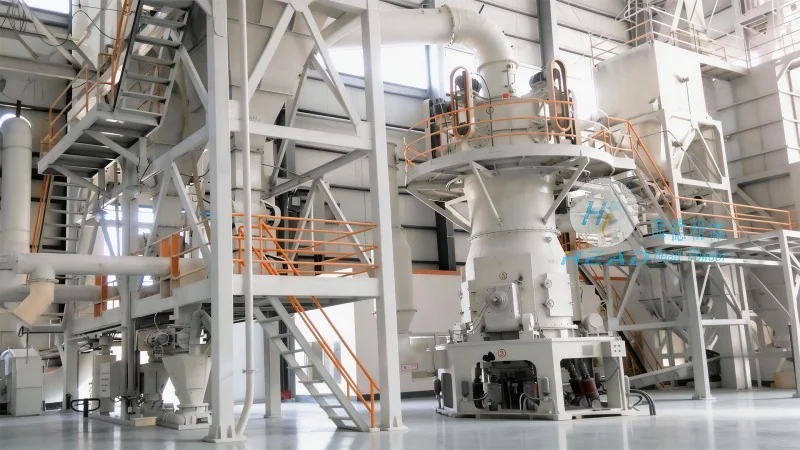
Silica fume pneumatic conveying systems are widely used in various industries, including construction, cement manufacturing, and chemical processing. In the construction sector, these systems efficiently deliver silica fume to concrete mixing plants, ensuring consistent quality and strength of the final product. In cement plants, the technology is employed to transport raw materials and additives, improving the overall production process. The reliability and efficiency of pneumatic conveying make it an ideal solution for industries that require precise control over powder flow and minimize the risk of material degradation.
Understanding the working principles of silica fume pneumatic conveying is essential for optimizing material handling in industrial applications. By leveraging advanced pneumatic conveying systems, companies like HeadPowder can enhance productivity, ensure product quality, and maintain safety standards. The combination of efficient components and reliable operation makes pneumatic conveying a preferred method for transporting fine powders like silica fume, supporting the growth and sustainability of various industries.

 Shandong Headpowder Engineering Co., Ltd.
 156-6277-7102(Manager Zhang)
  0531-83386006
  Zhangqiu District, Jinan City, Shandong Province, China
telephone
WeChatconsult
top