With more than 10‑year industry experience, Shandong Headpowder delivers full‑service pneumatic‑conveying systems and blowers, undertaking nationwide turn‑key powder‑handling projects.
In the industrial material conveying field, polyester fiber pneumatic conveying systems have become a key equipment due to their high efficiency, environmental friendliness, and flexibility. This article will delve into the classification, technical features, and applications of such systems in various industrial scenarios, providing valuable references for relevant enterprises.
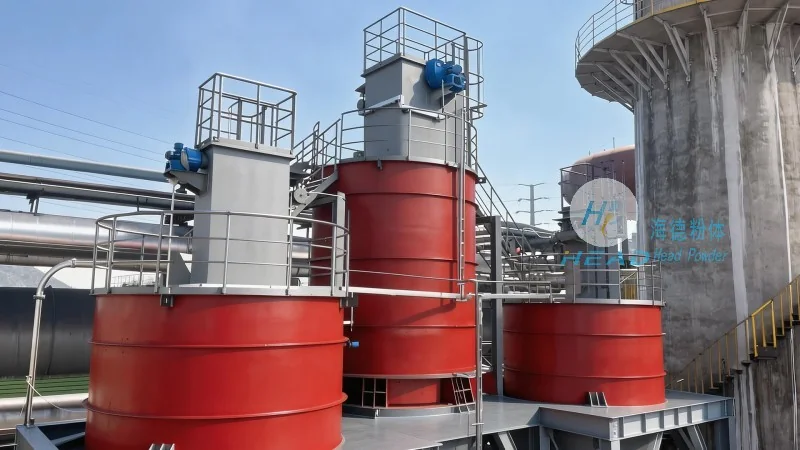
Polyester fiber pneumatic conveying systems use special material for the conveying pipes and components, effectively addressing the conveying needs of polyester fibers and other materials prone to entanglement and wear. Compared with traditional metal pipes, polyester fiber material has higher wear resistance, corrosion resistance, and flexibility, reducing friction loss during material conveying and extending equipment service life. At the same time, the system drives materials through compressed air, avoiding noise pollution and mechanical wear from traditional mechanical conveying equipment, meeting modern industry's requirements for environmental protection and energy conservation.
Polyester fiber pneumatic conveying systems are mainly divided into the following categories, each with unique applicable scenarios and performance characteristics:
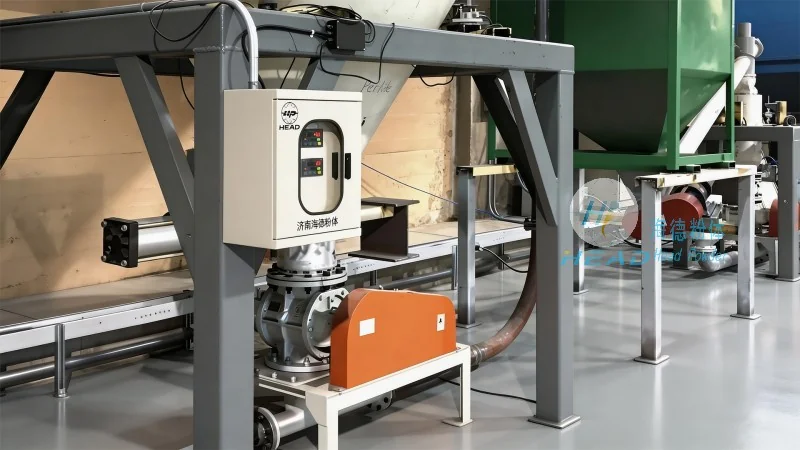
In addition, according to the conveying distance and material characteristics, different forms of conveying pipes such as straight pipes, bends, and tees can be selected, along with matching material separation equipment like cyclone separators and bag filters, ensuring the integrity of the conveying process and high purity of materials.
Polyester fiber pneumatic conveying systems have been widely applied in multiple industrial fields. The following are typical application cases:
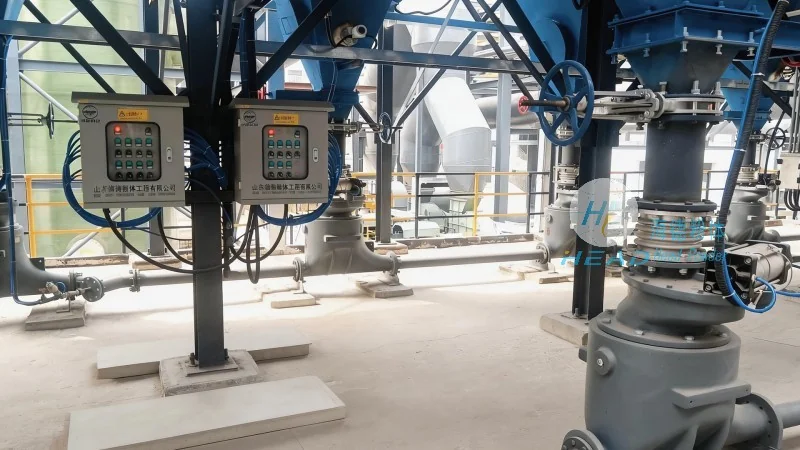
From the above application analysis, it can be seen that polyester fiber pneumatic conveying systems have significant advantages in improving production efficiency, reducing labor costs, and reducing environmental pollution, and have become an important choice for modern industrial material conveying.
With the continuous advancement of industrial technology, polyester fiber pneumatic conveying systems are also continuously optimized and upgraded. In the future, the system will pay more attention to intelligent control, energy conservation and environmental protection, and customized design. For example, by introducing sensors and automated control systems, real-time monitoring and regulation of the conveying process can be achieved, improving the system's operating efficiency and stability. At the same time, more advanced materials and technologies are adopted to further reduce energy consumption and costs, meeting the needs of different industries. In terms of application prospects, with the increasing application of polyester fibers in various fields, the market demand for pneumatic conveying systems will continue to grow, especially in aspects of environmental protection and efficient production, where the system will play a more important role.

 Shandong Headpowder Engineering Co., Ltd.
 156-6277-7102(Manager Zhang)
  0531-83386006
  Zhangqiu District, Jinan City, Shandong Province, China
telephone
WeChatconsult
top